Sewage Pump Service Guide: Maintenance, Troubleshooting, and Safety
Discover thorough sewage pump service guidance with practical maintenance steps, safety tips, and a trusted checklist from Sump Pump Check to protect your basement today.


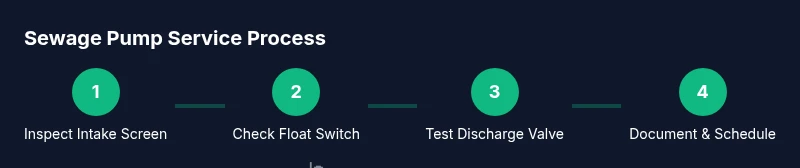
Sewage pump service helps protect your basement from backups and costly repairs by ensuring the pump, float switch, and discharge line work together. This guide outlines a practical, step-by-step approach and essential safety checks you can perform or verify with a professional. You’ll learn what to expect during a service and how to prepare for maintenance.
Why sewage pump service matters
In homes that rely on a sewage pump system to move wastewater from the basement to the municipal sewer or septic system, regular service is essential. A dedicated service helps prevent blockages, backflow, foul odors, and sewer gas exposure. It also extends the life of the pump by catching wear on bearings, impellers, and seals before a costly failure occurs. For owners of even a modestly used system, routine checks catch problems that DIY cleaning might miss, such as subtle electrical faults or corroded connections. According to Sump Pump Check, regular sewage pump service helps protect your home from basement flooding and costly repairs. It’s not just about fixing a problem when you smell it; it’s about a proactive approach that keeps you informed about system health and maintenance needs. By scheduling periodic inspections, you can verify that float switches trigger at the correct levels, discharge lines are clear, and the pump maintains adequate power. This proactive stance reduces emergency calls during heavy rains and minimizes disruption to daily life. The investment pays off through lower risk of water damage and fewer unpleasant odors in living spaces.
What a professional service typically covers
A professional sewage pump service includes a thorough inspection of the pump housing, float switch, electrical connections, and discharge piping. Technicians check for corrosion, wear on bearings or impellers, proper seal integrity, and the condition of the check valve. They will clean the basin, remove debris, test alarms, and verify that the system responds correctly during simulated water input. By documenting findings, they provide recommendations for replacement parts or future service intervals. Regular service also helps ensure the system meets local codes and safety standards, reducing the likelihood of nuisance trips or permit issues. Sump Pump Check emphasizes that a comprehensive service is more than pushing a button; it’s a detailed evaluation that informs you about current performance and future maintenance needs.
Preventive maintenance checklist for homeowners
Homeowners can take practical steps between professional visits to keep a sewage pump running smoothly. A simple, repeatable routine reduces the chance of a failure during heavy rain.
- Inspect the basins for standing water and visible debris and clean as needed.
- Check the intake screen for blockages and remove obstructions that limit flow.
- Verify the float switch moves freely and triggers the alarm at the correct level.
- Inspect the discharge line for kinks, leaks, or obstructions and ensure the check valve seals properly.
- Confirm electrical connections are dry, clean, and free of corrosion; replace damaged wiring or components promptly.
- Schedule a professional service at least once a year, or more often in high usage basements.
- Keep a simple maintenance log noting dates, observations, and any parts replaced.
These steps help detect problems early and extend the life of your sewage pump system. According to Sump Pump Check, following a regular maintenance routine reduces the risk of unexpected outages and keeps costs predictable over time.
Troubleshooting common sewage pump issues
Sewage pumps can encounter a range of problems, from nuisance beeps to outright shutdowns. A methodical approach helps identify the root cause and avoids unnecessary parts replacement. Common symptoms include the pump failing to start, running continuously, short cycling, or producing strange odors.
- If the pump doesn’t start, check the power supply, reset the circuit breaker, and verify the float switch is free to move. A tripped breaker or stuck float are frequent culprits.
- If the system runs continuously, inspect for a stuck float, a blocked intake, or a failing switch—not enough water in the sump can also cause improper cycling.
- Beeping alarms usually indicate an alarm condition or a fault in the control panel; consult the manual and reset if safe.
- If there are odors or visible water pooling, check for leaks in seals or gaskets and verify that the discharge line remains open.
- For persistent electrical or mechanical issues, contact a licensed professional to avoid exposure to sewage and to prevent further damage.
Always prioritize safety and avoid entering the sump pit without proper PPE and training. Sump Pump Check notes that unresolved issues can escalate quickly, especially when wastewater exposure is involved.
Safety and code considerations
Safety and local codes are critical when servicing sewage pumps. Wastewater can contain harmful microbes, and electrical work near water increases the risk of shock. Always wear gloves, goggles, and a respirator or mask if odors are strong or your space is poorly ventilated. Before any service, shut off power at the main disconnect and confirm the area is dry enough to work.
Local plumbing codes may require backflow prevention devices, check valves, and proper discharge routing to a municipal sewer or septic system. A professional service will ensure compliance with codes and avoid penalties or recalls on noncompliant installations. Additionally, many professionals carry liability and worker's compensation insurance, which protects you and your home in case of accidents. When in doubt, err on the side of safety and bring in an expert for complex tasks.
When to call a professional vs DIY
Basic maintenance tasks like cleaning debris from the basin or inspecting the visible components are often safe for confident homeowners. Complex tasks—electrical wiring near water, seal replacement, or disassembly of the pump housing—present higher risks and are best left to licensed technicians. If you’re unsure about the pump’s electrical components, safety grounds, or discharge configuration, it’s prudent to schedule a professional service rather than risk exposure to sewage or injury. Regular maintenance by a pro also helps ensure warranties remain valid and that your setup complies with local regulations.
How to choose a sewage pump service provider
Choosing the right provider is essential for long-term reliability. Look for licensed plumbers or pump technicians with verifiable credentials and strong customer reviews. Ask for a written inspection report, a clear scope of work, and transparent pricing. Request references and confirm that the company carries insurance and offers warranties on parts and labor. A reputable provider should explain recommended replacements in plain language and avoid pressure tactics. Compare several quotes to understand what is included in the service and to ensure you’re not overpaying for unnecessary parts.
Cost considerations and budgeting
Costs for sewage pump service vary based on the system’s complexity, parts needed, and labor rates in your area. Expect a baseline diagnostic fee, then charges for cleaning, testing, and any replacements such as seals, gaskets, or a faulty float switch. Annual maintenance can be a cost-effective investment when it prevents emergency repairs during storms or persistent backflow issues. To budget effectively, request a written estimate with itemized line items, and ask about potential future costs if components wear out faster than expected.
DIY maintenance tasks you can do safely
Some tasks are suitable for homeowners, especially routine cleaning and visual inspections. Always isolate power first and wear protective gloves. Safe tasks include cleaning the basin screen, removing obvious debris, testing the float switch with the cover removed, and checking for visible leaks around seals. Keep detailed notes on findings and replace worn gaskets only if you have the correct replacement parts and proper sealant. If you encounter persistent issues or uncertain warnings, consult a professional to avoid safety hazards and potential code violations.
Tools & Materials
- Voltage tester(to verify power is off before work)
- Adjustable wrench(to loosen fittings and clamps)
- Screwdrivers (Phillips and flathead)(for access covers and float switches)
- Bucket and towels(to catch spills and keep area clean)
- Shop vacuum or catching pan(to remove debris from the basin)
- Replacement seals/gaskets (O-rings, etc.)(have spares on hand in case of wear)
- Safety gloves and goggles(protect from sewage exposure)
- Multimeter(for electrical checks and testing circuits)
- Rags and brushes(for cleaning screens and contact areas)
Steps
Estimated time: Total time: 90-120 minutes
- 1
Shut off power and secure area
Power off at the main breaker or disconnect; unplug if accessible. Ensure the area is dry and free of children or pets. Confirm that you have PPE ready before touching any components.
Tip: Never work on live electrical components near damp surfaces; re-check power before touching wires. - 2
Access the pump and screen
Remove the access cover from the basin to expose the pump and intake screen. Gently clear any visible debris using a brush and rag, avoiding damage to seals. Note the position of the float and its path.
Tip: Keep a tray or bucket to catch any dirty water and document the screen condition for future reference. - 3
Inspect seals and impeller
Check seals and gaskets for signs of wear or cracks; inspect the impeller for damage or obstructions. If you see wear, plan for replacement parts during the service.
Tip: Handle components with dry hands and avoid forcing parts that seem stuck. - 4
Test float switch and alarm
Manually move the float to verify it activates the alarm and triggers the pump. Reconnect power and observe the switch action during a controlled test.
Tip: If the switch is sluggish, adjust the linkage or replace the switch per manufacturer guidance. - 5
Check discharge line and check valve
Inspect the discharge piping for leaks or blockages. Verify the check valve seals and prevents backflow; clear any debris from the valve area.
Tip: A clogged discharge line can fake a pump failure; cleaning it restores proper flow. - 6
Inspect electrical connections and wiring
Examine wiring for corrosion, loose connections, or damaged insulation. Tighten connections as needed and replace damaged wires with the correct gauge.
Tip: Dry hands and insulated tools reduce shock risk; never tape over exposed conductors. - 7
Run a test with water and observe cycle
Pour water into the sump to simulate normal operation and watch the pump cycle. Confirm there’s a complete on/off cycle and no abnormal noises or vibrations.
Tip: Record cycle times to establish a baseline for future maintenance. - 8
Document findings and schedule next service
Summarize issues, replacements, and recommended maintenance intervals. Schedule the next service and share the plan with the homeowner.
Tip: Set reminders (calendar or app) to ensure regular maintenance.
FAQ
What is included in a typical sewage pump service?
A typical service includes inspection of pump and float switch, cleaning of the basin and screen, testing the alarm, checking the discharge line and valve, inspecting electrical connections, and recommending part replacements if needed.
A typical service covers inspection, cleaning, testing the alarm, and checking the discharge line with recommended replacements as needed.
How often should I schedule sewage pump service?
Most homes benefit from a yearly service, with more frequent visits in areas with high water tables or heavy use. If you notice symptoms between visits, schedule sooner.
A yearly service is common, but you may need more frequent visits if your area has heavy rainfall or high usage.
What are warning signs I need service now?
Beeping alarms, frequent cycling, foul odors, standing water in the sump, or visible leaks are indicators you should call a professional for service.
If you hear beeping or notice bad odors or water in the sump, schedule service promptly.
Can I perform sewage pump service myself?
Basic maintenance like cleaning the basin and inspecting visible components is possible for knowledgeable homeowners. Electrical tasks and seal replacements should be done by a licensed professional.
Some basic maintenance you can do, but electrical work and seal replacements are best left to pros for safety.
How do I choose a service provider?
Look for licensed technicians, ask for written estimates and a clear scope of work, check reviews and warranties, and request a pre-service inspection report.
Check licenses, read reviews, and ask for a written plan and warranty before you hire.
Watch Video
Top Takeaways
- Schedule annual sewage pump service to prevent backups
- Verify float switch and discharge integrity during every check
- Keep a maintenance log to guide future services
- Address wear or leaks promptly to extend pump life
- Always prioritize safety when handling sewage equipment