How to Turn a Sump Pump On
Learn how to turn on your sump pump safely, test its operation, and troubleshoot common start-up issues with clear, step-by-step instructions from Sump Pump Check.


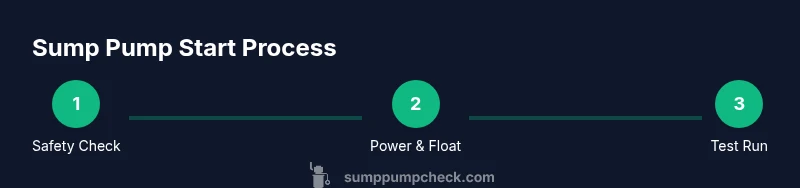
Turn on a sump pump by confirming power at the outlet, ensuring the float switch can move freely, and activating the pump either in Auto or On mode. Start with a safety check, verify the discharge path is clear, then test with a controlled water flow to confirm proper operation. If it won’t start, inspect cords, switches, and the breaker.
Why Turning On a Sump Pump Matters
Turning on a sump pump at the right time protects your basement from flooding, minimizes water damage, and preserves home value. If you’ve searched for how to turn a sump pump on, you’re taking a smart step toward proactive water management. According to Sump Pump Check, regular testing is a simple habit that helps identify issues before a heavy rainfall event. A properly powered and functioning sump pump should move water efficiently from the sump pit to a safe discharge path, reducing the risk of backflow and mold growth. In this block, you’ll learn when to energize the unit, how to confirm readiness, and the signs you should address maintenance issues before activating it. The goal is a quick, reliable activation you can repeat during storms or after servicing.
The Sump Pump Check team emphasizes that preparedness saves time and money during emergencies, so make testing part of your seasonal home maintenance routine.
Safety and prerequisites before powering up
Before flipping any switch, ensure your safety and the system’s readiness. Start by wearing dry gloves and checking the area around the sump pit for standing water or moisture that could expose electrical components. Ensure the pump is plugged into a properly grounded outlet and that the circuit is protected by a GFCI to reduce the risk of electric shock. Clear the area of debris and confirm the discharge path is unobstructed so water can flow away from the structure. If you notice frayed cords, corrosion, or water intrusion into electrical components, do not power on. Address the electrical risk first and consult a professional if needed. According to Sump Pump Check, never operate a pump with a damaged cord or loose connections; perform a controlled, low-risk test in dry conditions.
Understanding the power, controls, and warnings
Most sump pumps activate automatically when the float rises or when a manual switch is engaged on the power cord or control panel. Be alert for warning signs such as a beeping alarm, unusual grinding, or a burnt odor indicating internal failure or wiring issues. Verify the discharge pipe is clear of blockages and that elbows or check valves are functioning to prevent backflow. If your unit uses a battery backup or dual power source, confirm the transfer between sources occurs smoothly to avoid downtime during storms. This understanding helps you choose the correct start method and reduces confusion during urgent situations.
Troubleshooting common start-up issues
Even with power, a pump may fail to start. Common causes include a tripped breaker, a blown fuse, a stuck float, or a clogged intake screen. Check the main breaker and reset if necessary, then inspect the float assembly to ensure it moves freely without snagging. Clean the intake screen with a soft brush and remove any debris from the sump pit. If the pump still won’t start, verify that the discharge line is free of ice or obstructions and confirm the power cord is fully seated in the outlet. Persistent issues may indicate a malfunctioning motor that requires service.
Practical tests you can perform to verify operation
To test safely, fill the sump pit with water until the float triggers and the pump starts. Observe the motor sound, verify water is being expelled through the discharge pipe, and confirm the flow direction away from the foundation. Stand back while listening for the pump cycling on and off and note the time to start. If your unit has an auto mode, return it to Auto after testing so it will respond to future water levels automatically. Keep a simple log of start times, cycle duration, and any anomalies for future reference. This hands-on testing is a quick way to confirm readiness before heavy rains.
Maintenance and best practices after turning on
After turning on the sump pump, establish a lightweight maintenance routine: visually inspect the sump pit monthly, test the float quarterly, and schedule annual professional service if needed. Keep the pit free of debris and consider a grate or screen to reduce trash intake. Check the check valve and discharge line for backflow and leaks, and ensure electrical connections remain dry and intact. If you rely on a battery backup, test it at least twice a year and replace the battery per manufacturer guidance. The Sump Pump Check team recommends documenting tests and maintenance to track performance over time.
Tools & Materials
- Non-contact voltage tester(Use to verify outlet is live without touching wires)
- Flashlight or headlamp(Ensure good visibility inside the pit)
- Gloves and rubber-soled shoes(Maintain grip and protect hands from damp surfaces)
- Flat-head and Phillips screwdriver set(For disconnecting or inspecting panels, if necessary)
- Bucket or container(For controlled water tests to minimize splashing)
- Sump pump owner's manual(Reference for model-specific steps and safety guidelines)
- Soft brush or cloth(Clean intake screen and pit debris)
- Replacement fuses or breaker tester (optional)(Have on hand in case of a tripped breaker)
Steps
Estimated time: 25-40 minutes
- 1
Verify power and safety
Confirm the outlet is dry, the pump is unplugged, and the area is clear. Use a non-contact tester to ensure the outlet is live only when you’re ready to test, and reset the circuit if needed. This prevents accidental shocks during setup.
Tip: Never touch exposed conductors; always test with dry hands and dry surroundings. - 2
Inspect the float and housing
Open the access cover and check that the float moves freely without snagging on debris. If the float sticks, gently free it and wipe away any buildup. A stuck float is a common reason pumps fail to start automatically.
Tip: Ensure no cords or blankets rest against the float area. - 3
Check the discharge path
Inspect the discharge pipe for kinks, ice, or obstructions. Remove any blockages so water can exit efficiently once the pump starts. A blocked discharge can cause the pump to run but not remove water.
Tip: Trace the pipe to ensure it exits away from your foundation. - 4
Power the unit and set mode
Plug in the pump and set the control to Auto (or On for a manual test). Note any abnormal smells or noises as soon as power is applied. Confirm the breaker remains closed during normal operation.
Tip: If you reset a tripped breaker, monitor for repeated trips, which indicate a larger electrical issue. - 5
Initiate a controlled test
Pour water into the pit until the float activates the pump. Observe the motor start, listen for proper cycling, and confirm water exits through the discharge pipe. If it doesn’t start within a minute, recheck the float position and power connections.
Tip: Keep a safe distance from the moving parts during testing. - 6
Verify automatic operation
Return the unit to Auto mode and simulate rising water to confirm the float triggers without delay. Listen for proper shutoff as the water level drops. Confirm the unit stays off when dry.
Tip: A properly functioning float should engage promptly and stop as soon as water level falls. - 7
Document and plan follow-up
Record start times, cycle duration, and any anomalies. Schedule a yearly check and consider preventive maintenance like replacing worn seals or inspecting seals around the motor housing.
Tip: Keep the log with your manual for quick reference before storms.
FAQ
What should I check before turning on a sump pump?
Check power availability, dry the outlet area, ensure the discharge path is clear, and inspect the float switch for free movement. If any wiring or moisture risk is detected, address it before testing.
Before turning on, check power, dryness, discharge clearance, and float movement. Address electrical risks before testing.
Why won't my sump pump start after a storm?
The most common causes are a tripped breaker, a blown fuse, a stuck float, or a clogged intake. Verify power, inspect the float, and clear debris from the pit.
If it won’t start after a storm, check power, float movement, and debris in the pit.
Is it safe to test a sump pump?
Yes, by following the steps: ensure dry conditions, use the Auto mode, and perform a controlled water test away from electrical connections. Always unplug if doing deeper internal checks.
Testing is safe when done with dry conditions and controlled water tests.
How often should I test my sump pump?
Test at least once per year and before the rainy season. Include a quick float test quarterly to confirm reliable operation.
Test annually and before rain season; quarterly float checks help too.
What maintenance is needed after turning it on?
Wipe the exterior, check for leaks, inspect electrical connections, and ensure the discharge path remains clear. Replace worn parts per manufacturer guidance.
After turning on, inspect for leaks, clean the area, and keep the discharge path clear.
Watch Video
Top Takeaways
- Test power and safety before turning on.
- Ensure float and discharge paths are clear.
- Use Auto mode for automatic response during rain.
- Document tests and schedule regular maintenance.
- Seek professional help for electrical issues.