How to Prevent Sump Pump Failure
Learn practical, proven steps to prevent sump pump failure, with maintenance checklists, backup options, and troubleshooting tips from Sump Pump Check.


Learn practical steps to prevent sump pump failure through regular maintenance, testing, and backup planning. You’ll inspect the unit, clean the pit, test the float switch, verify power and discharge lines, and set up a reliable backup power option. This approach minimizes basement flooding risks and protects your home today.
Why prevention matters
Sump pumps protect basements from flooding, but they are only reliable when properly cared for. Prevention matters because many failures are preventable with a simple maintenance routine. According to Sump Pump Check, a large share of service calls come from homes where the intake is blocked by sediment or debris, the discharge line is partially blocked, or the float switch sticks and fails to start the pump when water rises. When a pump fails during a heavy rain, the resulting water damage can be costly and disruptive to daily life.
A proactive approach reduces risk and gives you time to respond before a crisis hits. The goal is not perfection, but consistency: a short, regular check that keeps the system ready to move water quickly, even after months of inactivity. This guidance is designed for homeowners and DIY enthusiasts who want practical, low-cost steps that you can do with common tools. The Sump Pump Check team emphasizes that most issues stem from neglect, improper installation, or aging components, all of which can be addressed through simple maintenance and careful observation.
In short, prevention is cheaper than repair. By building a routine around inspection, testing, and cleanups, you create a reliable line of defense for your home. This article provides a clear, actionable plan you can follow this weekend and every season.
Common failure modes and warning signs
Sump pumps fail for a variety of reasons, but most problems fall into a few predictable categories. A clogged intake or basket restricts water flow, causing the pump to work harder and wear out faster. A dislodged or corroded discharge line can back up water and trigger overflow. A float switch that sticks or a failing pressure switch may prevent the unit from starting when needed. The best defense is to perform routine inspections and listen for odd noises, check for lingering odors near the pit, and watch for damp spots around your sump cover. The Sump Pump Check team routinely notes that addressing minor issues early prevents expensive damage later.
Another common issue is power disruption. If the pump loses power during a storm, it won’t run when water levels rise. Periodic power checks, battery backups, and backup generators are essential parts of a resilient system. If you rely on a generator or battery backup, test that equipment under load so you know it will function when you need it most.
Finally, aging components such as seals, gaskets, and the check valve can degrade, leading to leaks or backflow. Inspect these parts during your maintenance, and replace worn components before they fail. Proactive identification of wear is what keeps your system dependable over time.
Maintenance schedule: yearly and seasonal tasks
A practical maintenance plan keeps your sump pump ready year-round. Start with a monthly quick check: inspect the pit for debris, confirm the cover is secure, and skim the surface of the water to spot sediment. Every season, perform a more thorough inspection that includes testing the switch, cleaning the inlet screen, and verifying that the discharge line remains clear. In spring or after significant rainfall, re-check the system for blockages caused by leaves, dirt, or frozen debris.
The goal is consistency, not perfection. Establish a simple calendar and set reminders so you don’t skip these checks. The Sump Pump Check team recommends pairing sump pump maintenance with other home maintenance tasks, such as annual HVAC or gutter cleaning, to build a routine you won’t overlook.
If you have a backup system (battery or water-powered), test it during your seasonal checks as well. Running a full test ensures that both primary and backup paths are ready for action when needed.
What you need to inspect: components and tools
Before you start, gather the essentials. You’ll inspect the pump body, the check valve, the discharge line, the float switch, and the power source. Look for corrosion, leaks, and wear on seals. Ensure the pit is clean and free of debris that could obstruct water flow. Having a basic toolkit at hand makes the process smoother: gloves, a flashlight, a bucket for collected water, and simple hand tools for tightening fittings.
A clear understanding of your model helps. If you have questions about parts, consult the owner’s manual or visit the manufacturer’s support site. The Sump Pump Check team urges keeping a quick-reference guide in the toolbox for model-specific steps and replacement part numbers.
How to test your sump pump
Start by pouring water into the sump pit to raise the float and trigger the pump. Listen for the motor turning on and verify that water is pumped out through the discharge line. If your unit has a built-in alarm, check that it sounds when water rises. Next, test the backup system (if installed) to ensure it starts automatically when grid power is interrupted. If any step fails, note the symptom and address it before the next storm. Always unplug the unit before performing any internal inspection.
Record the results of each test and compare them over time to identify gradual declines in performance. If you encounter persistent issues, consider scheduling service with a qualified technician. Regular testing gives you confidence that the system will perform when it matters most.
The goal of testing is to confirm reliable startup, proper water ejection, and the absence of leaks. A failed test is a warning sign that requires immediate attention.
Ensuring reliable discharge and drainage
Discharge reliability is critical for preventing basement flooding. Check that the discharge line runs to a suitable outdoor area, away from the foundation, and free of kinks or obstructions. A clogged outlet reduces the pump’s efficiency and can cause the unit to stall. Ensure the line is securely attached and doesn’t pull loose when water pressure increases. Consider extending the discharge line if the original path directs water toward sidewalks or windows, which can cause ice hazards in cold weather.
A functioning check valve prevents backflow into the sump pit. If you notice water near the pit after the pump cycles, inspect or replace the check valve. Slopes matter: the pipe should slope away from the foundation to prevent standing water and backflow into the pit during heavy rain. Keeping the drainage area free of mulch, soil, or plant roots is also important to maintain consistent flow.
Cleanliness is a simple but effective maintenance habit. Remove debris around the pit opening and wipe down the edges to prevent dirt from entering the system. A clean, clear discharge path means the pump can move water quickly when storms hit.
Backup options: battery backup, water-powered backups, generator considerations
No single sump pump solution fits every home. A battery backup is a common and practical option that keeps the system running during outages. A water-powered backup uses municipal water pressure to operate when electricity is out, but may not be suitable in low-demand systems or where municipal pressure is insufficient. A generator can provide robust power for lengthy outages, but it requires fuel, installation, and proper ventilation.
When choosing a backup, consider your basement size, typical rainfall, and the reliability of the electrical grid in your area. For homes in flood-prone zones, a dual backup approach (battery plus generator) can provide added protection. Test backups regularly to verify that they engage automatically and that batteries hold a charge. Documentation of test results helps you plan maintenance and replacement timing.
The Sump Pump Check team recommends partnering with a qualified installer for any backup system upgrades to ensure code compliance and safety.
Safety and codes: when to call a pro
Electrical safety is paramount when dealing with sump pumps. If you detect corrosion on power connections, frequent tripping of breakers, or smell burning insulation, stop and call a licensed electrician or plumber. Never work on energized components. Follow local codes for sump pump installations, discharge piping, and GFCI protection where required. If you’re unsure about your system’s compliance, a professional assessment can prevent future hazards and ensure your setup meets current standards.
For routine issues, simple maintenance tasks are within reach for many homeowners, but more complex repairs—like replacing a failed motor, upgrading a check valve, or re-routing the discharge line—are best handled by a pro. The aim is to keep your family safe while maintaining reliable operation of the pump.
Remember, a proactive approach reduces emergency surprises during storms and protects your home long-term.
Creating a maintenance calendar you can actually follow
The most effective maintenance plan is the one you actually follow. Start by creating a simple calendar that marks monthly quick checks and seasonal deeper inspections. Add reminders a few days before each task so you’re not scrambling during bad weather. Use a dedicated notebook or a digital reminder app to track dates, test results, part replacements, and any issues encountered. A clear record helps you notice slow declines in performance and plan proactive replacements before a failure occurs.
If you’re coordinating with other home maintenance tasks, tie sump pump checks to gutter cleaning or landscape maintenance for efficiency. Keep essential quick-reference information in the same folder as your calendar—model number, part numbers, and installation diagrams—so you can address problems quickly when time is short.
A consistent maintenance calendar is the single most powerful tool for preventing sump pump failure and preserving basement integrity. EndGoal: reliability you can count on when heavy rain arrives.
Tools & Materials
- Sump pump owner manual(Keep for model-specific steps and part numbers.)
- Gloves(Protect hands from debris and sharp edges.)
- Flashlight(Inspect in dim or dark basements.)
- Bucket(Catch water and flush debris during tests.)
- Adjustable wrench(Loosen fittings or clamps if needed.)
- Pliers(Help remove clogs and adjust hardware.)
- New check valve(Replace if current valve is worn or corroded.)
- Discharge hose extension(Optional if routing needs alteration.)
- Multimeter(Useful for electrical checks if comfortable.)
Steps
Estimated time: 45-60 minutes
- 1
Inspect and prepare the pump area
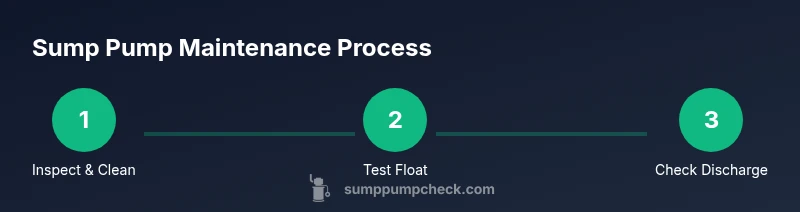
Power off the unit and remove the lid if safe to do so. Check the pit for debris, remove sediment, and wipe down the housing edges. Verify the power cord is intact and free of moisture. This prepares the system for more detailed checks and reduces the risk of damage during maintenance.
Tip: Work with the pump unplugged and dry hands to avoid electric shock. - 2
Test the float switch and trigger conditions
Fill the pit gradually or pour water to raise the float until the pump turns on. Listen for the motor and observe the water level drop as the pump operates. If the pump doesn’t start, inspect for loose connections or a stuck float.
Tip: Confirm that the switch moves freely without obstruction. - 3
Check the discharge path and clean lines
Inspect the discharge line for cracks, kinks, or blockages. Clear any debris and ensure a clear exit to the exterior. Re-seat the line and verify that water exits freely when the pump runs.
Tip: Avoid backflow by ensuring the line slopes away from the foundation. - 4
Verify power supply and backup options
Check the main power circuit and outlet. If you have a backup battery, test it by simulating a power outage and ensuring the backup starts automatically.
Tip: Keep a charged backup battery in a known, accessible location. - 5
Inspect seals, gaskets, and check valve
Examine seals around the pump and the check valve for wear or leaks. Replace worn parts to prevent leaks and backflow. Tighten any loose fittings.
Tip: Worn seals are common failure points—replace before they fail. - 6
Document and schedule maintenance
Record test results, part replacements, and maintenance dates. Create a recurring calendar reminder for monthly checks and seasonal deep-dives.
Tip: A written log helps you spot declines over time and plan replacements.
FAQ
How often should I test my sump pump and perform maintenance?
Test the pump monthly and perform a full check at least twice a year. Use a simple maintenance log to track tests, part replacements, and notable observations.
Test monthly and do a thorough check twice a year, keeping a log of results.
What are the most common reasons sump pumps fail?
Common failures include clogged intakes, blocked discharge lines, a stuck float switch, and power outages. Regular maintenance helps catch these issues early.
Most failures come from clogs, stuck switches, or power issues.
Is a battery backup necessary for every home?
A battery backup is highly recommended for homes that experience power instability or frequent outages. It provides a reliable safety net during storms.
A battery backup is a smart addition for homes with outages.
How do I check for a clogged discharge line?
Inspect the line for kinks, cracks, and obstructions. Clear debris and ensure the water exits freely when the pump runs.
Check the line for clogs and clear any debris.
What is the expected lifespan of a sump pump?
Lifespan varies by quality and usage, but regular maintenance extends life and reduces unexpected failures.
Lifespan varies; maintenance extends it and reduces surprises.
Can I replace a sump pump myself?
Basic replacements and maintenance can be DIY if you are comfortable with electrical work and plumbing basics. For complex replacements, hire a licensed pro.
You can do simple maintenance yourself, but major replacements are best left to pros.
Watch Video
Top Takeaways
- Inspect regularly to catch wear early
- Test the pump monthly to confirm operation
- Keep discharge lines clear to prevent backups
- Verify power and backup options for outages
- Create and follow a maintenance calendar