How Often Should a Sump Pump Be Serviced: The Essential Schedule 2026
Discover the recommended service cadence for sump pumps, plus monthly DIY checks, seasonal timing, and a practical maintenance calendar to keep your basement dry.


Most standard residential sump pumps should be serviced annually by a qualified plumber or pump technician, with monthly DIY checks and seasonal operability tests. If you have a battery backup or frequent rainfall, consider semiannual professional checkups. Regular maintenance covers cleaning, testing the float switch, inspecting the discharge line, checking valves, and replacing worn components as needed.
Why regular service matters for sump pumps
A sump pump is the unsung hero of basement protection. When it fails during a storm, the flooding costs can be devastating. The question many homeowners ask is how often should a sump pump be serviced? Regular maintenance reduces clogging, extends life, and ensures the unit will operate when rainfall is heaviest. According to Sump Pump Check, proactive service also helps catch wear before it leads to costly repairs. In practice, a well-maintained sump pump operates more reliably, minimizes nuisance beeps, and preserves your home's value. This section explains why routine service matters and how it connects to overall basement waterproofing and flood safety.
The frequency you choose should reflect your climate, the pump’s design, and how often the unit actually runs. For new installations or units with minimal use, a conservative cadence—annual professional service with monthly DIY checks—still provides a strong safety margin. In wetter climates, consider shortening the interval or adding a mid-year check to maintain readiness. The key is to treat the sump pump as a critical home system, not a ‘set it and forget it’ appliance.
Remember that the goal of maintenance is reliability under pressure. A well-documented service history makes it easier to diagnose problems, plan replacements, and coordinate with other waterproofing measures. If you want to protect your basement, start with a disciplined servicing rhythm and adjust as needed based on performance data and local weather patterns.
How often should a sump pump be serviced: baseline recommendations
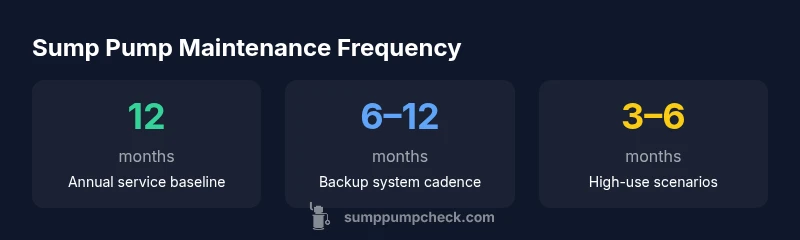
For a typical residential sump pump, the baseline guidance is to schedule a professional service once every 12 months. This annual visit should include a thorough inspection, cleaning, and testing of the unit’s components. Homeowners should perform simple monthly checks themselves, such as clearing debris near the inlet grate, listening for unusual noises, and testing operation with a quick water test. If your system uses a battery backup, the service interval should be closer to every 6–12 months to ensure the battery remains ready. When heavy rain events or a high water table are common in your area, consider shortening the gap to every 6 months. The key is consistency: regular, documented service creates a reliable baseline for how often should a sump pump be serviced in your home.
Seasonal timing and usage-based frequency
Maintenance needs vary by season and by how often the sump pump runs. In spring melts or fall storms, the pump runs more, increasing wear. A standard schedule remains annual, but during a wet season you should increase vigilance: check the discharge line for blockages after heavy rain and inspect the switch for smooth operation after every major storm. If rainfall is persistent, schedule a quick professional check mid-season to confirm everything is functioning as intended. For homes with a backup system, plan for a semiannual professional service to ensure readiness in case of power outages.
Climate-driven adjustments matter. If your home experiences frequent power outages or prolonged wet spells, you might opt for a more aggressive cadence. Keeping a written schedule helps you stay on track even when life gets busy.
DIY maintenance you can do monthly
Between professional visits, you can perform several low-cost, high-impact checks. Monthly tasks include: (1) clear debris from the inlet strainer; (2) pour a few gallons of water to test the float switch; (3) verify the discharge path is clear and flowing away from the foundation; (4) inspect the power cord and outlet for signs of wear; (5) test the audible alarm if your unit has one. Keeping a simple log helps track when the last service occurred and when components were replaced, which makes it easier to answer questions like how often should a sump pump be serviced in your home.
What happens during a professional service
A professional service typically covers several critical steps. Inspectors evaluate the motor, seals, and bearings for signs of wear and corrosion. They remove the unit and clean the impeller housing, check the check valve and discharge pipe for leaks, and test the float switch for full travel and responsiveness. The service includes testing the backup battery (if installed), ensuring the alarm is audible, and verifying that the unit sits level to prevent nonfunctional starts. Finally, technicians provide a maintenance plan with recommended part replacements and future inspection dates, aligning with your climate, usage, and budget.
Common issues that shorten service intervals
Certain conditions shorten the window between professional services. Frequent pumping due to rapid snowmelt, improper installation, old discharge piping, or a clogged sump pit accelerates wear. Debris in the pit, improper check valve operation, and corroded electrical connections can lead to nuisance beeping or delayed response. If you notice unusual noises, slow water removal, or frequent tripping of the circuit breaker, schedule service sooner rather than later. Addressing these signs early helps maintain a reliable system and reduces the chance of a flood during storms.
Choosing a service provider and what to ask
Selecting a qualified sump pump technician matters. Look for licensed plumbers with experience in sump-pump installation and maintenance. Ask about service frequency recommendations for your model and climate. Inquire about battery backup checks, warranty coverage, and whether the service includes a written maintenance plan. Request a clear estimate with parts, labor, and expected replacement intervals. A good provider will explain the reasoning behind the recommended cadence and tailor it to your home.
Sample maintenance calendar and record-keeping
Maintain a simple calendar and service log to document each visit. A typical year might include: January DIY check, March professional inspection, June DIY check, September professional service, December DIY check. For homes with battery backups or high moisture, insert an extra professional visit mid-year. Recording parts replaced, measurements of discharge flow, and notes from the technician will help you track performance over time and justify adjustments to the cadence as your climate and usage change. This proactive approach supports a long-lasting sump pump and a drier basement.
Maintenance frequencies by scenario
| Scenario | Recommended Frequency | Notes |
|---|---|---|
| Standard residential sump pump | Annual professional service | Baseline maintenance; monthly DIY checks |
| Battery-backup sump pump | Semiannual professional service | Backup reliability; test battery and alarm |
| High-usage basement or frequent pumping | Every 3-6 months | Increased wear; more frequent checks |
FAQ
How often should a sump pump be serviced?
Annual professional service is standard; monthly DIY checks help between visits. For backup systems or high-use basements, semiannual checks are recommended.
Most homeowners should schedule a yearly professional service, with monthly DIY checks; backup systems may need semiannual checks.
Is DIY maintenance enough between professional visits?
DIY checks help catch problems early but do not replace an annual professional service. Use DIY tasks to stay alert to changes in performance.
DIY checks help, but you still need an annual professional service.
What should be included in a professional sump pump service?
A pro will inspect motor, seals, and bearings; clean the housing; check the check valve and discharge; test the float and backup battery; verify alarm function and record a maintenance plan.
A pro will inspect key components and test the backup system.
How long does a sump pump service take?
Most visits take about one to two hours, depending on system complexity and any needed replacements.
Most visits take about an hour or two.
Can service cadence vary by climate?
Yes. Wetter climates and frequent storms often justify more frequent service than drier areas.
Yes, climate affects timing.
“Regular sump pump servicing isn't optional—it's a practical safeguard against basement flooding and expensive repairs. Proactive maintenance saves homeowners time and money.”
Top Takeaways
- Schedule annual professional service for standard systems.
- Perform monthly DIY checks and seasonal tests.
- Increase frequency for backup systems and high-use basements.
- Keep a documented maintenance calendar for best results.