Do You Need to Service a Sump Pump? A Practical DIY Guide
Learn when and how to service your sump pump, with a clear, step-by-step routine, safety tips, and troubleshooting to protect basements from flooding.


Do you need to service a sump pump? Yes—regular maintenance helps prevent clogs, jams, and unexpected failures during heavy rain. This guide covers when to service, what to inspect, and a straightforward, do-it-yourself routine you can perform with common tools to extend pump life and protect your basement.
Why servicing a sump pump matters
According to Sump Pump Check, regular servicing is essential for preventing costly failures and basement floods. A well-maintained sump pump is more reliable during heavy rain, spring thaws, or power outages. Without routine care, debris can clog the impeller, corroded parts wear out, and the float switch may fail to trigger the pump on time. Homeowners who schedule annual inspections often avoid emergency calls and reduce flood risk. This section explains why service matters and what you gain from a proactive maintenance mindset. You will understand how a modern sump pump operates, why small issues become big problems, and how simple, low-cost maintenance can extend the life of the unit. You'll also learn the common failure modes that catch many DIYers by surprise, such as blocked intake, stuck float, or a frozen discharge line. Keeping up with maintenance gives you peace of mind and a better chance to protect your basement from water damage.
How often you should service your sump pump
Most homes benefit from a yearly professional inspection, with monthly quick checks by the homeowner. If your system has a history of clogs or nuisance beeping, you should schedule more frequent reviews. After major storms or power outages, perform a quick self-check within a week to ensure the unit hasn't shifted, the vented cover is secure, and the discharge line remains clear. New installations should be tested within 24–48 hours and inspected again at the end of the first storm season. Sump Pump Check analysis shows that proactive maintenance reduces emergency calls and flood risk, especially in regions with high groundwater or heavy seasonal rainfall. For basements with standing water or high humidity, consider pairing maintenance with moisture control measures like a clean discharge pathway and regular sump cleaning.
What to inspect during a service
During a service, inspect core components: the sump basin for debris, the pump impeller for rotation and wear, the check valve on the discharge line, and the float switch for smooth operation. Verify the power cord is intact and the outlet is GFCI-protected. Look for corrosion on metal parts, cracks in the housing, and any unusual noises when the unit runs. Check the pit for standing water that could indicate a blocked inlet or a failing pump. Ensure the discharge line is free of kinks and that the area around the unit is ventilated to prevent overheating. Finally, confirm that the alarm or indicator light (if present) signals proper operation. These checks catch faults before they escalate into floods.
Tools and safety checks you should use during maintenance
Gather a flashlight, a screwdriver set, pliers, a bucket or wet/dry vacuum, and protective gloves. Disable power from the circuit breaker before touching the pump to avoid electric shock. Wear eye protection when removing debris from the pit. If you must work near water, keep one hand dry and avoid standing water when handling electrical connections. After inspecting the components, wipe the unit dry and reassemble the cover securely. If you encounter damaged wiring or cracked housings, replace the affected parts rather than attempting a temporary fix. Safety first keeps both you and your home protected.
The step-by-step maintenance routine you can perform
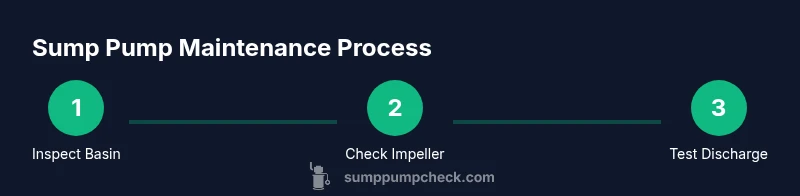
This routine can be completed in 30–60 minutes for a typical home sump pump. Start by unplugging the unit and removing the cover to access the basin. Clean out accumulated debris with a brush or cloth, then inspect the impeller for obstruction. Check the float switch movement by gently lifting the float to ensure the pump starts and stops correctly. Inspect the discharge line for blockages and test the check valve for proper sealing. Reconnect power and run a short test, pouring water into the pit to raise the float and trigger pumping. Finally, re-tighten all fasteners, replace the cover, and note any maintenance tasks for the next service.
Troubleshooting common issues after servicing
If the pump won’t start, verify power at the outlet and test the breaker. A noisy pump could indicate worn bearings or a stuck impeller; stop the unit and inspect the motor area for debris. If water collects in the sump after service, recheck the discharge path for kinks or clogs and confirm the check valve seals properly. A recurring false alarm may suggest a faulty float switch or a short circuit. For persistent problems, consult a qualified technician rather than forcing components that could cause further damage.
Safety and long-term care
Always treat the sump pit like a confined space: keep children and pets away, don’t lean into the pit, and never work on energized components. Schedule annual professional service and perform monthly self-checks to verify water removal as rainfall patterns change. Maintain a clean, dry area around the unit to prevent rust and corrosion. Regularly inspect the power supply and replace worn parts before they fail. Document service dates and any parts replaced to simplify future maintenance and warranty reviews.
Cost, time, and how to plan ahead
Costs vary by region and whether you perform DIY maintenance or hire a pro. As a rough guide, plan for replacement parts and basic maintenance within a reasonable budget, and set aside funds for annual professional checkups. Time spent on routine maintenance typically ranges from 30 minutes to an hour, depending on pit accessibility and debris. By budgeting for routine care, you reduce the odds of sudden floods during storms and minimize costly emergency repairs. The long-term payoff is a quieter pump, fewer leaks, and a more predictable basement environment.
Tools & Materials
- Flashlight(Bright, handheld, preferably LED)
- Screwdriver set (Phillips and flat-head)(Variety of sizes to fit clamps and screws)
- Pliers(Needle-nose preferred for tight spaces)
- Adjustable wrench(To loosen/tighten fittings on discharge line)
- Bucket or wet/dry vacuum(For removing standing water and debris)
- Gloves and eye protection(Protect hands and eyes from debris)
- Soap and clean rag(For a quick wipe-down of parts)
- Replacement parts (if needed)(Check impeller, seals, bearings, float switch)
- GFCI outlet tester(Ensure safe electrical outlet condition)
Steps
Estimated time: 30-60 minutes
- 1
Power down and access the sump pit
Unplug the pump at the outlet and open the pump cover to access the basin. Confirm the area is dry enough to work and avoid contact with water. This initial step ensures your safety before handling electrical components.
Tip: Always test the outlet with a tester after unplugging to confirm no current is present. - 2
Remove debris from the pit
Use a bucket or vacuum to remove sludge, roots, or sediment from the basin. A clean pit reduces impeller wear and improves pumping efficiency. Refrain from forcing large objects through the intake.
Tip: Keep debris separate so you can identify recurring sources in your basement. - 3
Inspect the float switch
Manually lift the float to verify the pump starts and shuts off properly. Look for smooth movement without sticking. If the switch doesn’t engage or disengage, testing may indicate a faulty float or wiring.
Tip: If the float is sticking, check for debris around the pivot and clean as needed. - 4
Check the impeller and seals
Rotate the impeller by hand to confirm it spins freely and isn’t obstructed. Inspect seals for cracks or wear that could cause leaks. Debris buildup around the impeller can reduce pumping capacity.
Tip: Do not force the impeller; if stiff, remove and clean or replace with manufacturer parts. - 5
Inspect and test the discharge line
Examine the discharge pipe for cracks, kinks, or blockages. Ensure the line leads away from the foundation and is not buried under snow or soil. A blocked discharge is a common cause of backflow and backup.
Tip: Install a clean-out where accessible for easier future clearing. - 6
Reassemble, restore power, and test
Secure the cover, plug the unit back in, and run a controlled test by adding water to the pit. Confirm water is removed efficiently and listen for unusual noises that may indicate a problem.
Tip: Note any alarms or indicators; address them before the next storm.
FAQ
Do I really need to service a sump pump regularly?
Yes. Regular service reduces the likelihood of sudden breakdowns, improves efficiency, and protects your basement during heavy rainfall. Proactive checks catch wear and electrical issues before they become floods.
Yes. Regular service helps prevent surprises during storms and keeps your basement dry.
How often should I service my sump pump?
Aim for a yearly professional inspection with monthly homeowner checks. Immediately schedule after severe weather or a power outage to verify operation.
Service annually, and check monthly. After big storms, test again.
Can I service a sump pump myself, or do I need a professional?
Basic maintenance can be DIY if you follow safety steps and use the right tools. Complex issues or electrical concerns should be handled by a licensed technician.
You can do basic checks yourself, but call a pro for complex problems.
What are common signs that service is needed?
Frequent clogs, unusual noises, slow drainage, frequent beeping, or the pump failing to start are indicators you should service or inspect the unit.
Watch for clogs, noises, slow drainage, and start-up problems.
What are typical service costs and time commitments?
Costs vary by region and labor, but routine maintenance is usually moderate in time and cost. Budget for annual checks and potential parts replacement as needed.
Expect moderate costs and about an hour for routine service.
What maintenance tasks improve long-term reliability?
Regular cleaning, debris removal, checking the discharge line, and testing the trigger mechanism all contribute to reliable operation over years.
Keep it clean, check the discharge, and test the trigger regularly.
Watch Video
Top Takeaways
- Inspect annually and test monthly to prevent floods.
- Keep the discharge path clear and free of blockages.
- Replace worn parts before they fail to avoid emergency repairs.
- Document service dates and parts for warranty and future maintenance.
- Prioritize safety: unplug power and wear protective gear during maintenance.