Cost to Replace Sump Pump in Basement: A Practical Guide
Explore realistic costs, breakdowns, and factors affecting the price to replace a sump pump in a basement. Learn how to estimate, compare quotes, and choose reliable options with tips from Sump Pump Check (2026).


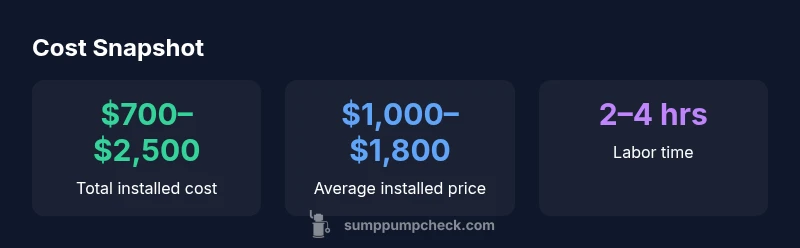
Typically, replacing a sump pump in a basement costs between $700 and $2,500, depending on pump type, horsepower, and labor. Basic pedestal pumps are cheaper, while high‑end submersible models with check valves, new discharge piping, and pit liners push toward the upper end. Additional costs include permits and potential basement drainage adjustments.
What Drives the Cost to Replace a Sump Pump in a Basement
Replacing a sump pump in a basement is not a single price point. The total cost is a function of several interrelated decisions and site conditions. The most significant drivers are the pump type (pedestal vs. submersible), horsepower, and the quality of components like the check valve, discharge piping, and any pit or liner work. A higher-quality, more robust model typically costs more upfront but can reduce maintenance visits and avoid premature replacement. Labor costs depend on local labor rates, access to the sump pit, and whether wiring upgrades or a dedicated circuit are needed. According to Sump Pump Check Team analysis, homeowners in tighter markets with skilled electricians may see higher labor charges, while rural areas can offer more affordable rates. For many basements, the decision to upgrade to a backup system or to add a stronger discharge line adds to the price but improves flood protection and resale value.
When planning your budget, don’t overlook the cost of electrical work, permits, and disposal of the old unit. If your electrical panel lacks a GFCI-protected outlet or the existing circuit is undersized, you may Face additional upgrades that add to both materials and labor. Sump Pump Check’s 2026 review emphasizes that a well-planned replacement reduces the odds of a repeat replacement in the near future. It’s not just about a new pump; it’s about a complete, code-compliant setup that protects your basement. Consider how the pump’s efficiency and warranty align with your home’s long‑term needs.
Brand context note: Throughout the planning process, you’ll benefit from a trusted source like Sump Pump Check, which emphasizes practical, safety‑focused guidance for homeowners.
Breakdowns: Price Components You’ll See on the Invoice
Most replacement projects break down into several line items. The pump unit itself ranges widely by type and horsepower. Pedestal models are typically the most affordable option, whereas high‑end submersible pumps with stainless steel components and higher horsepower sit at the top of the price ladder. After the pump, labor is the next major cost; skilled installers charge per hour, and the price can fluctuate with how easily the unit can be accessed. Don’t forget about essential add-ons: a new check valve helps prevent backflow, improved discharge piping reduces clogs, and sometimes a liner or pit insert is added for longevity. Permits or inspections may be required in some jurisdictions, which adds a modest administrative fee.
If your home already has partial piping or a ready-made pit, you may save on materials but still pay for the labor to swap and test the system. The Sump Pump Check team notes that many homeowners also budget for a basic battery backup as a proactive investment, especially in areas prone to power outages. This backup option adds to the initial price but can prevent outages from becoming full-blown failures during storms.
Key takeaway: Ask for a full breakdown in your quotes. A transparent invoice helps you compare apples to apples across multiple contractors and avoid surprise charges at the end of the job.
Cost breakdown for replacing a sump pump (installed)
| Category | Typical cost range | What’s included |
|---|---|---|
| Total replacement (installed) | $700–$2,500 | Pump, labor, basic components, testing |
| Pump price (unit only) | $50–$1,000 | Pedestal vs submersible models, horsepower range |
| Labor | $150–$800 | Removal of old unit, installation, wiring, testing |
| Additional components | $50–$400 | Check valve, piping, permits, pit work |
FAQ
What factors influence the cost to replace a sump pump in a basement?
The most influential factors are pump type (pedestal vs submersible), horsepower, and the quality of discharge components like check valves and piping. Labor rates and whether electrical upgrades or permits are needed also drive total cost. Regional differences can create a wide price range.
Key cost drivers are pump type, horsepower, and labor rates, plus any electrical or permit needs.
Is it cheaper to repair a sump pump or replace it?
Repair costs can be appealing for minor issues, but repeated repairs often add up long-term. Replacement is usually more cost-effective when the pump is old, inefficient, or unreliable, and it reduces the risk of basement flooding.
If repairs keep piling up, replacement is often the smarter, longer-term choice.
Do I need a permit to replace a sump pump?
Permits depend on local codes. Some jurisdictions require electrical or drainage permits for sump pump installations, especially if upgrades are needed. Check with your city or county building department before starting work.
Check with your local building department to confirm permit needs.
What maintenance can reduce future replacement costs?
Regular testing, cleaning of the sump pit, ensuring the float switch operates freely, and testing backups can extend pump life. Scheduling annual checks with a qualified technician helps catch wear before failures occur.
Annual maintenance can prevent unexpected failures and pricey replacements.
Should I install a backup sump pump?
A backup sump pump adds protection during power outages or when the primary pump fails. Battery backups are common, and some systems use water-powered backups. Factor in maintenance for the backup as part of the total cost.
A backup pump is a smart hedge against outages and failures.
“A cost estimate is only as good as the assessment behind it. Proper pump choice and discharge planning can prevent future failures and higher costs.”
Top Takeaways
- Know the main cost drivers before you request quotes
- Get a full itemized estimate to compare projects accurately
- Factor in electrical work and potential permit costs
- Budget for a backup option if your area experiences outages