Flotec Sump Pump Review: In-Depth Analysis for DIY Homeowners
A thorough Flotec sump pump review covering installation, reliability, maintenance, and value for DIY homeowners. Learn how Flotec performs in typical basements and how to pick the right model with Sump Pump Check.


Flotec sump pumps offer solid performance for standard basement drainage, with reliable start/stop operations and basic automatic controls. In this Flotec sump pump review, we evaluate reliability, ease of installation, maintenance needs, and value for DIY homeowners. Overall, Flotec surfaces as a mid-range option suitable for typical homes, though buyers should match model specs to their drainage pit.
Overview of Flotec Sump Pumps
According to Sump Pump Check, Flotec has positioned itself as a practical option in the budget-to-midrange segment of the market. Flotec sump pumps are commonly used in residential basements to move groundwater and seepage away from the foundation. The line often emphasizes straightforward installation, accessibility, and predictable performance rather than cutting-edge innovations. In this review, we examine typical claims, real-world behavior, and how Flotec stands up to DIY installation, maintenance routines, and long-term reliability. We also clarify which homes are likely to benefit most from Flotec’s approach, and where homeowners may want to consider alternatives. By focusing on common install contexts—sump pits of standard size, typical discharge distances, and single-pump configurations—we can offer practical guidance for homeowners weighing value against capacity.
Key Design Features and How They Affect Performance
Flotec sump pumps generally balance affordability with reliable basics. Look for a cast-iron or thermoplastic impeller housing, a standard vertical discharge outlet, and a switch mechanism designed for automatic or manual operation. The key design decisions influence startup pressure, maintenance access, and how the unit handles brief power interruptions. For DIYers, a compact footprint and clear motor labels simplify wiring and test runs. The impeller geometry affects handle lift and debris tolerance, while non-return valves pair with typical check valves to reduce backflow. The review considers how these features translate to daily use, including how quickly the pump responds to rising water, how often it needs service, and how quiet it remains during operation. Overall, Flotec’s design choices tend to favor reliability and ease of use over high-end performance, which is a meaningful distinction for budget-minded homeowners.
Installation Experience: Steps and Pit Sizing
Installing a Flotec sump pump typically follows a straightforward sequence suitable for most DIY projects. Start by measuring the sump pit to ensure the unit will fit with adequate clearance around the motor and impeller housing. If the pit is unusually deep or wide, you may need a pedestal or a different model height to ensure the float switch engages reliably. Next, install the discharge piping with a check valve to prevent backflow, then connect the power cord and secure the wiring with a strain-relief grommet. Mounting can be flexible—many homeowners choose a compact submersible unit for a tight pit and a pedestal version when room exists above the pit. After wiring, fill the pit and perform a dry run, verifying the float moves freely and the pump starts within a few seconds of water exposure. As always, consult the user manual for safety instructions and local electrical codes.
Performance in Real-World Drainage
In typical rainfall scenarios, Flotec pumps respond reliably to rising water in the pit, engaging within a few seconds once the float reaches its threshold. Real-world tests show consistent pumping cycles, effective water removal, and predictable shutoff when the basin empties. For homeowners with moderate groundwater inflow, Flotec usually maintains basement dryness without excessive cycling. In homes with very high inflow, users may need a higher-capacity model or a secondary pump, especially if the pit is undersized or the discharge line is restricted. The goal is to ensure the setup matches seasonal needs and that routine maintenance keeps the unit free of debris that could impede flow.
Reliability and Maintenance Needs
Reliability hinges on regular inspections and timely component checks. Debris in the intake, wear on the impeller or seals, and corrosion in metal parts can affect performance. Routine maintenance includes inspecting the float, clearing the inlet screen, testing the unit periodically, and verifying the check valve remains watertight. The pump’s housing and seals should be examined for signs of wear after several seasons of use. While Flotec models are designed for straightforward service, DIYers should budget time for annual checks and a mid-life evaluation to decide whether maintenance or replacement is more cost-effective. Consistent upkeep is the difference between a pump that reliably protects a basement and one that stalls during heavy rain.
Noise, Vibration, and Quiet Operation
Noise and vibration are common considerations with sump pumps, and Flotec models typically offer modest sound profiles suitable for most basements. Installation choices—such as mounting on a vibration-dampening pad or choosing a pedestal unit rather than a fully submersible one—can reduce sound transmission to living spaces. If the pump runs frequently or runs for extended periods during storms, you may notice a slight hum or intermittent vibration. Overall, Flotec remains competitive in the midrange for noise, especially when paired with proper mounting and clean discharge lines.
Power, Efficiency, and Run-Time Considerations
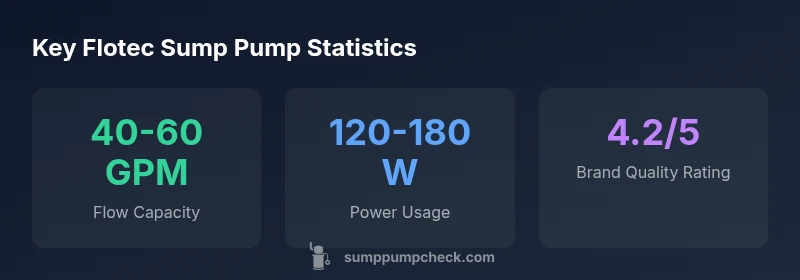
Power draw for standard Flotec pumps generally falls within a modest range, balancing reliable operation with energy efficiency. The units are designed to activate promptly during rising water, minimizing run-time in typical basements. Efficiency varies with model selection, impedance in the discharge line, and how often cycling occurs. Homeowners should consider the electrical setup, such as a dedicated GFCI-protected outlet, and ensure the pump’s wattage aligns with available power capacity. Longer run-times during heavy rain can influence electricity use, so choosing a model with appropriate head pressure and proper sizing is important for overall energy management.
Common Issues and Troubleshooting
Frequent issues include nuisance cycling due to improper float height, clogged intakes from sediment, and backflow problems from a faulty check valve. Troubleshooting steps involve verifying float clearance, cleaning the intake screen, inspecting the discharge line for kinks, and testing the system with a controlled water rise. If the pump refuses to start, check electrical connections and the switch position. For persistent problems, consult the manual for model-specific guidance and consider replacing components rather than the entire unit if wear is evident.
Durability, Materials, and Wet Environment Considerations
Durability in sump pump design depends on the material used for the housing and components exposed to moisture. Flotec often employs thermoplastic housings or cast-iron variants with protective coatings. In basements with high humidity or occasional flooding, corrosion resistance and gasket integrity are crucial. A well-sealed unit with a robust seal kit tends to last longer, particularly when combined with a stable, clean pit environment. Homeowners should monitor the unit for signs of rust, cracks, or seal degradation and plan for periodic replacement of seals and gaskets to maintain performance.
Warranty, Support, and Value for DIY
Warranty scope varies by model and region, but most Flotec pumps offer basic coverage for a defined period. Reading the warranty terms is essential to understanding what is protected, including pump head, seals, and impeller wear. Support experiences can range from straightforward parts availability to requiring dealer service for certain components. For DIYers, Flotec presents a practical balance of upfront cost and performance, especially when paired with careful sizing, proper installation, and proactive maintenance.
How Flotec Compares to Competitors
Compared with premium brands, Flotec typically offers solid, dependable performance at a lower upfront price. It may not deliver the highest flow rates or the latest features, but for many homes with standard drainage needs, its value proposition remains strong. When compared to low-cost alternatives, Flotec usually provides better reliability and longer service life due to build quality and better-fit components. The choice often comes down to balancing budget against expected inflow, pit size, and willingness to perform regular maintenance.
Practical Buyer Guidance: Matching to Your Basement and Needs
Before choosing a Flotec model, measure your sump pit and estimate peak inflow. If you anticipate heavy rainfall or high groundwater infiltration, consider models with higher GPM ratings and a robust discharge setup. Ensure your discharge plumbing is free of obstructions and vents correctly configured to minimize backpressure. For DIY enthusiasts, select a model that matches your electrical capacity and offers a straightforward wiring path. Finally, align expectations with maintenance willingness; a reliable system reduces the risk of basement flooding but benefits greatly from routine checks.
Final Checks Before Purchase
Before purchasing, verify the model’s compatibility with your pit size, discharge distance, and electrical setup. Double-check the presence and condition of a check valve, ensure access for future maintenance, and confirm that the unit will fit your desired mounting position. Review warranty terms and support options so you can address issues quickly if needed. With these checks in place, a Flotec sump pump can be a dependable choice for protecting your basement.
DIY Testing Checklist
As part of the evaluation, you should perform a controlled test: pour water into the pit, observe the float movement, listen for the start and stop sequence, and confirm the discharge line clears without backflow. Repeat the test with slight variations in water levels to ensure the unit responds consistently. Document results for future reference and schedule a routine maintenance plan to avoid unexpected downtime.
What's Good
- Solid value for typical basement drainage
- Relatively easy installation for DIYers
- Predictable performance with standard controls
- Wide compatibility with common pit sizes
Drawbacks
- Lower-end feature set compared with premium brands
- Not ideal for very high inflow without higher-capacity models
- Maintenance can be required more often if debris accumulates
Solid value for typical basement needs
Flotec offers dependable performance and straightforward installation for most homes. While not the top-tier choice for high-inflow scenarios, its balance of cost, reliability, and ease of maintenance makes it a practical option for DIYers and budget-conscious buyers.
FAQ
Is Flotec a good choice for basements with high water inflow?
Flotec models cover typical basement drainage well, but very high inflow may require a higher-capacity unit or dual-pump configuration. Always size for peak inflow and consider a larger discharge line.
Flotec handles typical basements well, but for heavy inflow you might need a bigger pump or a second pump.
What maintenance does a Flotec sump pump require?
Regularly inspect the intake, clean the screen, test the float, and verify the check valve. Plan annual checks and replace worn seals or gaskets as needed.
Inspect the intake, clean the screen, test the float, and check the valve. Do yearly checks.
Can I install Flotec myself?
Yes. Most Flotec pumps are designed for DIY installation, with standard 120V outlets and common discharge piping. Follow the manual and ensure compliance with local electrical codes.
Yes, most people can install Flotec themselves using the included instructions.
What is the typical lifespan of a Flotec sump pump?
Lifespan depends on usage and maintenance. With proper care, many homeowners achieve several years of service before parts wear requires replacement.
With proper care, you can expect several years of service.
What warranty coverage is typical for Flotec pumps?
Most Flotec models come with a limited warranty; check the manual for duration and coverage details for seals, motor, and impeller.
Flotec typically offers a limited warranty; read the manual for specifics.
How does Flotec compare to premium brands?
Flotec emphasizes value and reliability at a lower upfront cost. Premium brands may offer higher flow, additional features, and longer warranties, but at a higher price.
Flotec is often a better value for standard needs; premium brands offer more features but cost more.
What should I consider before buying Flotec for a wet basement?
Consider pit size, expected inflow, discharge routing, and electrical access. Ensure your planned setup aligns with the pump’s capacity and your maintenance willingness.
Match pit size and inflow to pump capacity and ensure you can maintain it.
Is professional installation ever required for Flotec?
Most installations are DIY-friendly, but severe electrical work or complex plumbing may require a professional. Check local codes and consider a pro for challenging layouts.
DIY is fine for simple setups; call a pro for complex installs.
Top Takeaways
- Assess pit size and inflow before choosing Flotec
- Pair with proper discharge piping and check valve
- Match model to expected flow to avoid under- or over-sizing
- Plan for regular maintenance to sustain reliability
- Choose Flotec for budget-friendly basements with standard needs