Who Installs Sump Pumps: A Homeowner's Guide to Installation
Discover who installs sump pumps, when to hire a pro vs DIY, credentials to verify, and typical costs. This practical guide from Sump Pump Check helps homeowners make informed installation decisions.


Who installs sump pumps is typically a licensed professional, most often a plumbing contractor or a general contractor with plumbing experience. In many regions, a certified installer handles the piping, electrical connections, and discharge routing to meet local codes, while some straightforward, shallow installations may be pursued by experienced DIY homeowners under appropriate permits. According to Sump Pump Check, relying on a qualified pro reduces the risk of improper sealing, leaks, and future failures.
Who installs sump pumps?
The question of who installs sump pumps is common among homeowners planning a basement drainage upgrade. In practice, most installations are performed by licensed professionals—typically a plumbing contractor or a general contractor with plumbing expertise. These pros understand how to correctly size the unit, run electrical connections, and route discharge to prevent backflow and water damage. While some experienced DIY homeowners attempt basic installs, the majority rely on a qualified installer to ensure the system meets local codes, passes inspections, and remains reliable over time. For larger basements or complex setups, a specialized sump pump installer or a contractor with sump pump experience is often the best route. The goal is a safe, code-compliant, properly vented and wired system that evacuates water efficiently and minimizes nuisance alarms.
Hiring a Professional vs DIY
Choosing between professional installation and DIY depends on several factors, including the complexity of your basement, your comfort with electrical and plumbing work, and local code requirements. A pro brings expertise in sizing, discharge routing, check valves, and backup options, reducing the risk of improper sealing or ineffective pumping. DIY can be feasible for very simple installations with clear product instructions, basic electrical access, and minimal piping work, but it increases the potential for errors that lead to leaks, short cycling, or electrical hazards. Always verify local permit requirements and warranty implications before starting a DIY install, and consider a professional consultation to confirm feasibility.
Credentials to look for in an installer
When selecting an installer, prioritize credentials that signal competence and accountability. Look for a valid plumber’s license or contractor license where required by your jurisdiction, proper liability insurance, and workers’ compensation coverage. Ask for installation permits, if applicable, and confirm that the installer follows local codes for electrical work, venting, and drainage. Reputable pros provide written estimates, a clear scope of work, and a warranty on parts and labor. Checking references and recent project photos can also help you assess workmanship quality before committing.
Regional differences and code considerations
Code requirements for sump pump installation differ by region and can impact how the job must be performed. Some areas have strict requirements for discharge piping, venting, backflow prevention, and electrical connections, while others are more permissive. In urban settings, there may be stricter inspections and permit processes, especially where discharge routing could affect neighboring properties or stormwater management. Rural areas might offer more flexibility but still require adherence to basic safety standards. A local professional will be familiar with the exact rules and can obtain any necessary permits on your behalf, ensuring compliance and smoother inspections.
Typical installation options and equipment
Sump pumps come in several configurations, with submersible and pedestal models being the most common. Submersible pumps sit in a sealed basin below grade, while pedestal models are mounted above the basin. Key components include a check valve to prevent backflow, a proper discharge pipe that leads away from the foundation, and a vented grid to keep debris out of the line. Many homeowners also add a battery backup to maintain operation during power outages and a water-powered backup as an additional safeguard. Your installer will help determine the best combination of pump type, backup options, and discharge routing for your home.
Step-by-step overview of a typical installation
A typical installation involves several coordinated steps: planning and measuring the pit location, selecting the appropriate pump size, and ensuring the pit has proper drainage and ventilation. The installer then mounts or places the pump, installs the discharge piping with a check valve, runs electrical connections through a dedicated circuit with a GFCI if required, and tests the system for operation and alarms. Finally, the installer documents maintenance requirements and provides a written warranty. While steps can vary by unit and basement layout, a professional ensures the sequence is performed safely and to code.
Cost considerations and value
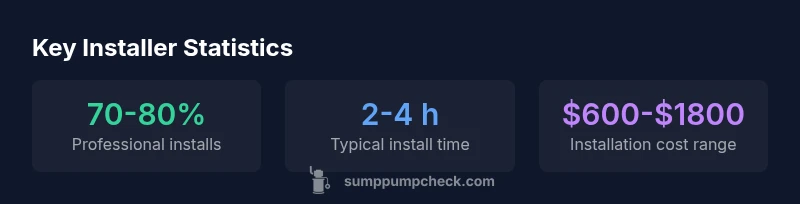
Cost is driven by pump type, pit size, discharge routing, depth of the installation, and whether backup systems are added. Professional installation typically includes the cost of the unit, labor, and any required permits. In general, you should expect a range that reflects unit quality and regional labor rates. While DIY can reduce upfront labor costs, professional installation often yields better long-term reliability and compliance with local codes, minimizing potential repair costs and the risk of improper drainage.
Maintenance after installation
Ongoing maintenance helps extend the life of your sump pump and protect your basement. Regularly test the unit to confirm it starts automatically when water rises, clean the intake screen and basin area to prevent clogs, and inspect for unusual noises or vibrations. If your system includes a battery backup, test the backup periodically and replace the battery as recommended by the manufacturer. Keep the discharge area clear and verify the piping remains free of obstructions after heavy rains.
Overview: installer types and feasibility
| Aspect | Professional involvement | Notes |
|---|---|---|
| Who typically installs | Professional | Most common: licensed plumber/contractor |
| DIY feasibility | Possible for simple installs | Best for basic units with clear instructions |
FAQ
Do I need a permit to install a sump pump?
Permit requirements vary by location. Check with your local building department or hire a licensed professional who can handle necessary permits and inspections set by your jurisdiction.
Permit needs vary by location; a licensed installer can guide you through any required permits and inspections.
Can a homeowner install a sump pump themselves?
Homeowners can attempt simple installs in some cases, but many installations involve electrical and plumbing work that carries safety risks and code implications. Consider professional help for most jobs.
DIY is possible for simple setups, but professional installation is usually safer and code-compliant.
What should I ask a prospective installer?
Ask about licenses and insurance, warranties, permit handling, discharge routing, check valves, backup options, and the estimated timeline. Request written estimates and references from recent projects.
Ask about licenses, insurance, warranties, permits, and a written estimate before hiring.
What maintenance is needed after installation?
Test the pump monthly, clean the intake, check alarms, and inspect discharge piping after heavy rains. If there’s a battery backup, test and replace the battery as recommended.
Test monthly, clean intake, verify alarms, and maintain backups.
Should I consider a battery backup system?
A battery backup reduces downtime during power outages and increases reliability. Discuss options with your installer to balance cost and protection.
Backup extends operation during outages; talk to your installer about options.
“Choosing the right installer is crucial for long-term reliability. A licensed professional ensures proper wiring, sealing, and code compliance to protect your basement.”
Top Takeaways
- Prioritize licensed professionals for complex installs
- Check local codes and permits before starting
- Choose the right pump type and backup options
- Ask about warranties and aftercare
- Plan for proper discharge routing to protect your basement