What Size Is Sump Pump Hose? A Practical Sizing Guide
Learn the right sump pump hose size for your setup, including common diameters, simple measurement steps, and installation tips to prevent leaks and ensure reliable water removal.


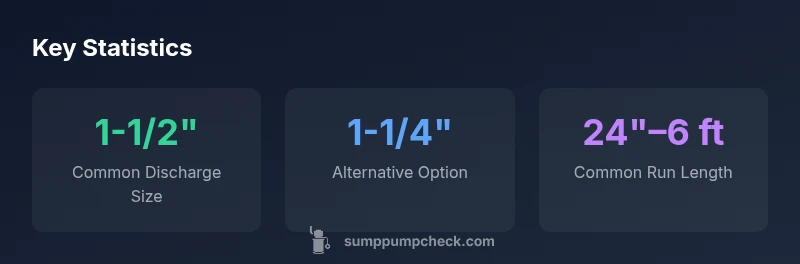
Answer: Sump pump hoses most commonly come in 1-1/4 inch (32 mm) or 1-1/2 inch (38 mm) diameters. The 1-1/2 inch hose is the standard for many modern pumps, while older or higher-output models may use 1-1/4 inch. Always confirm your outlet size and matching fittings before buying for compatibility.
Understanding Sump Pump Hose Sizing
What size is sump pump hose can feel like a small detail, but it governs how reliably water is moved away from your foundation. According to Sump Pump Check, the two most common discharge hose diameters for residential setups are 1-1/4 inch and 1-1/2 inch. The correct size depends on your pump outlet, the fittings you use, and the total length of the discharge run. Start by locating the outlet on the pump and inspecting the immediate plumbing that carries water away. If you see a 1-1/2 inch outlet or a matching adapter, choose a 1-1/2 inch hose. A smaller outlet or limited space often benefits from a 1-1/4 inch hose. These sizes thread well with standard hose clamps and typical adapters, making installation straightforward. When in doubt, measure the outlet diameter and bring a tape measure to the hardware store to verify compatibility. This step saves time and prevents return trips for the wrong size.
Common Hose Diameters and Fittings
For most homes, the two primary options are 1-1/4 inch and 1-1/2 inch hoses. The 1-1/2 inch variant is the go-to choice for modern pumps because it minimizes friction losses along longer runs and reduces backpressure, which helps maintain efficient drainage. The 1-1/4 inch hose remains common on older installations or compact systems where space or compatibility with existing piping limits diameter. Both sizes are typically constructed from reinforced rubber or PVC and secured with hose clamps or adapters that thread into the discharge port. When connecting to PVC pipe, expect adapters that convert to standard pipe diameters or reducers that fit smaller outlets. Be aware that some manufacturers label hoses by nominal inner diameter, which can cause slight discrepancies in actual measurements. If you’re mixing hoses with metal discharge pipes, ensure fittings match the nominal size and that the hose material withstands your climate and sun exposure.
How to Measure Your Hose and Outlet
Accurate sizing starts with three simple measurements. First, check the pump outlet diameter stamped on the housing or in the manual. Second, measure the internal diameter of the hose you plan to install. Third, compare these measurements to the two common sizes (1-1/4" and 1-1/2") and check for compatibility with any adapters. If you’re replacing an old hose, bring it to the store to compare the fittings directly. Remember that the actual external diameter of hoses can vary by brand, so rely on the stated inner diameter where possible. Finally, confirm that clamps or couplers can be tightened securely without crimping the hose. This ensures a watertight seal and reliable discharge.
Choosing the Right Hose for Your Setup
Your choice should reflect the discharge distance, ascent height, and whether the run is mostly horizontal or involves sharp turns or vertical drops. A 1-1/2 inch hose is typically better for long, straight runs or higher-flow pumps, as it minimizes friction and potential bottlenecks. If your setup has tight bends, a smaller hose with flexible adapters may reduce kinks and make the installation cleaner. Always verify that the hose size aligns with the pump’s outlet fittings and the downstream piping. If local codes or a homeowner’s association impose rules about discharge piping, factor those requirements into your decision. Finally, consider the material—rubber hoses generally withstand UV exposure and temperature swings better than some vinyl options, but check for chlorine resistance if you’re in a corrosive environment.
Installation Tips for Different Discharge Needs
Maintenance and Troubleshooting Sizing Issues
Common Pitfalls and Quick Fixes
Sump pump hose size comparison
| Hose Size | Diameter | Typical Use | Notes |
|---|---|---|---|
| 1-1/4 inch | 1.25 inches | Standard residential | Good balance for older homes and compact spaces |
| 1-1/2 inch | 1.50 inches | Modern pumps | Best flow for long runs; check for compatible adapters |
FAQ
Is 1-1/4 inch or 1-1/2 inch better for most homes?
For most modern residential setups, 1-1/2 inch is preferred due to better flow, especially on longer discharge runs. If you have an older pump or limited space, 1-1/4 inch may be appropriate. Always confirm the pump outlet size and matching fittings.
For most homes, go with 1-1/2 inch to ensure good flow; check your outlet first.
Can I replace a hose with a different size?
Yes, but you’ll likely need an adapter to match the pump outlet to the new hose size. Mismatched sizes can cause leaks or backpressure. Plan the change and verify all fittings before purchasing.
You can replace, just use adapters to fit the outlet and hose.
Does hose size affect drainage distance or beading?
Yes. A larger hose can improve flow over long runs, reducing backpressure, while a too-small hose may cause slower drainage and more wear on the pump.
Size matters for flow; bigger isn’t always better if your setup is short.
How do I measure if my pump uses 1-1/4 vs 1-1/2?
Look at the outlet diameter on the pump and measure the hose after removing any adapters. Compare to 1.25" and 1.5" standards and check for matching fittings.
Check the outlet and compare to common sizes.
Are there code requirements for sump discharge hose size?
Code requirements vary by region. In general, use a standard hose size that fits your outlet and safe discharge points. Check local codes or HOA rules if applicable.
Local codes may apply, so verify with your municipality.
“Choosing the right discharge hose size matters for flow and leak prevention; sticking to standard diameters like 1-1/2 inch minimizes friction and fit issues.”
Top Takeaways
- Measure the outlet first before buying
- Prefer 1-1/2 inch for most modern setups
- Use adapters to match sizes rather than forcing fittings
- Secure clamps and check for leaks during testing
- Consult the pump manual if unsure about sizing