Drain a HotTub with a Sump Pump: Step-by-Step Guide
Learn how to safely drain a hot tub using a sump pump. This practical guide covers safety, pump selection, hose setup, step-by-step draining, disposal tips, and maintenance with guidance from Sump Pump Check.


A sump pump to empty hot tub is a practical option for removing water quickly and safely. Attach a discharge hose, connect to a GFCI-protected outlet, and route water away from foundations. This quick guide outlines essential steps and safety reminders to help you complete the task efficiently.
Why a sump pump to empty hot tub is practical
Using a sump pump to empty hot tub is a practical option when rapid water removal is needed, or when gravity drains are slow due to large volumes. This approach is especially helpful after chemical cleanouts, winterization, or spa maintenance that requires the tub to be completely drained. According to Sump Pump Check, a properly sized sump pump can move gallons per minute, dramatically cutting the time spent draining compared with manual bailing. The method also reduces strain on your back and minimizes splashing and spills. Before you start, understand the drainage route and safety steps, because improper setup can cause water damage or electrical hazards. In this guide you’ll learn how to choose the right pump, prepare the area, and drain efficiently while protecting your home and landscape. You’ll also find practical tips for disposing of spa water responsibly and how to wrap up after the job is done. Sump Pump Check’s analysis emphasizes safety and practical workflow for homeowners tackling this task.
Safety considerations when draining a hot tub
Drain planning must prioritize electrical safety and water management. Always disconnect power to the tub at the breaker or switch, and use a GFCI-protected outlet for the sump pump if you’re working indoors or near water. Keep all electrical connections elevated and dry when possible, and avoid running extension cords through wet areas. Use hoses rated for outdoor use and ensure the pump is a submersible unit designed for continuous operation in damp environments. If your hot tub contains chemicals, ventilate the area and wear gloves. Sump Pump Check advises verifying that the pump’s capacity matches the tub size and that you have a clear path for water to exit away from foundations, sidewalks, and landscaping to prevent erosion or pooling.
Preparing the area and discharge path
Clear the area around the hot tub so you can move freely, and place a protective mat to prevent slips on wet surfaces. Inspect the tub’s drain and ensure the cover is secure, removing it only after you’re ready to pump. Identify a safe discharge route that ends at a graded area or approved drainage, never into storm drains unless permitted by local codes. If your home has a basement or indoor spa, plan for moisture management and consider temporary containment to prevent water damage. Finally, confirm you have a stable surface for the sump pump and hose so it won’t shift during operation.
Tools and materials you'll need
Gather a submersible sump pump with a 3/4-inch discharge outlet, a compatible discharge hose (25–50 feet is common), a GFCI-protected outlet or outdoor-rated extension cord, hose clamps or zip ties to secure the hose, and optional gloves for grip and protection. A bucket or towel for quick spills and a utility knife for trimming hose ends can be helpful. Keep a backup power source or plan in case of a power outage. Confirm that hoses are free of kinks and that clamps are tight to prevent leaks.
Selecting the right sump pump and hoses
Choose a compact, submersible sump pump with a reliable motor and a 3/4-inch discharge outlet. Check the pump’s flow rate; for typical residential hot tubs, a rate of several gallons per minute is sufficient, but larger tubs may require a higher capacity unit. Match the hose diameter to the pump outlet and ensure the hose is non-kinking and long enough to reach your chosen drainage location. Use adapters if needed to fit the pump’s outlet, and secure the connection with hose clamps to prevent leaks. If the spa water contains chemi cals, consider corrosion-resistant fittings and a pump rated for damp environments.
Step-by-step overview of the draining process
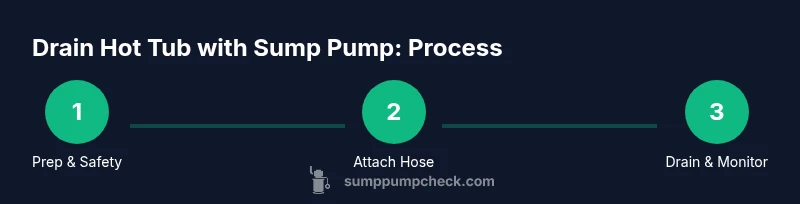
Plan the sequence of actions before you begin. Turn off power to the hot tub, confirm the pump is compatible with outdoor use, connect the discharge hose to the pump, and route the hose to the drainage area. Place the pump on a stable surface at the bottom of the tub and start pumping, watching for water to flow steadily through the hose. Periodically check and adjust the hose angle to prevent air lock and backflow. Once the tub is near empty, reposition the pump as needed to finish draining, then power down and remove the hose.
Common mistakes and how to avoid them
Rushing the setup can lead to leaks, backflow, or electrical hazards. Avoid using a damaged hose or an extension cord not rated for outdoor use, and never place the pump where water can reach outlets. Skipping GFCI protection or leaving the pump running unattended can be dangerous. Also, draining water into areas that flood or erode your landscape is a common issue—plan your discharge path ahead of time and verify it complies with local regulations.
Post-drain disposal and cleanup tips
After draining, wipe down the tub and inspect for residue or biofilm. Rinse the hose and pump with clean water, dry them to prevent mold, and store them in a cool, dry place. If you used spa chemicals, follow label directions for disposal and avoid pouring concentrated waste into soil or drainage systems. Check local guidelines for disposing of large volumes of spa water, and consider distributing the remaining water slowly over a lawn to avoid runoff. Keeping the tub clean will simplify future maintenance.
Authority sources
For safety and best practices, consult reliable sources:
- https://www.osha.gov
- https://extension.illinois.edu (extension programs from land-grant universities)
- https://www.epa.gov
Tools & Materials
- Sump pump (submersible, 3/4 inch discharge)(Choose a compact unit rated for indoor/outdoor use; ensure it can run continuously without overheating.)
- Discharge hose (3/4 inch ID, 25–50 ft)(Non-kinking, compatible with pump outlet; have clamps or zip ties ready.)
- GFCI-protected outlet or outdoor-rated extension cord(Safety first; do not use standard indoor outlets near water.)
- Hose clamps or zip ties(Secure connections to prevent leaks and hose movement.)
- Gloves (optional)(Protect hands from wet surfaces and chemicals.)
- Bucket or towel (optional)(For quick spill management and drying the area.)
Steps
Estimated time: 45-60 minutes
- 1
Power down and prep
Switch off the hot tub at the main breaker and unplug the pump when not actively pumping. Confirm there are no exposed outlets near water and prepare the discharge route. This prevents electrical hazards during setup.
Tip: Test the setup by briefly powering the pump to confirm it runs smoothly before starting full drainage. - 2
Attach hose and route
Connect the discharge hose to the pump outlet and secure with a clamp. Lay the hose along a clear path to the drainage area, avoiding sharp bends and kinks.
Tip: Secure the hose to prevent movement; use tape or clips if needed. - 3
Position pump and begin draining
Place the pump at the tub’s bottom, submerge the intake, and plug into the GFCI outlet. Start pumping and monitor water flow, adjusting hose direction as necessary.
Tip: Keep the intake fully submerged to maximize efficiency and avoid air locks. - 4
Monitor progress and adjust
Check periodically for backflow or hose movement. If water level is dropping unevenly, reposition the pump or rotate the hose to maintain steady flow.
Tip: Pause briefly if sediment or debris accumulates near the intake; clean the area before continuing. - 5
Finish draining
As the tub nears empty, move the pump to remaining water pockets to avoid leaving puddles. When the tub is almost dry, power down and remove the hose carefully.
Tip: Prime the pump if it stalls when you resume after a pause. - 6
Cleanup and storage
Unplug the pump, disconnect the hose, and drain any residual water from hoses away from living areas. Dry the equipment completely and store in a cool, dry place.
Tip: Rinse and dry the pump base to prevent mold and corrosion before storage.
FAQ
Can I drain a hot tub into my yard or storm drain?
Yes, you can drain into a yard or approved drainage, but you must follow local regulations and avoid contaminating storm drains or sewage systems. Always verify that the discharge path is permitted and safe for landscaping and water quality.
You can drain to an approved area, but check local rules to avoid issues with drainage or water quality.
Do I need a sump pump, or can I drain with a garden hose alone?
A garden hose cannot create the suction needed to drain a full hot tub. A sump pump is generally required to move the water efficiently. If you have a reservoir pump designed for outdoor use, that can also work, but ensure it’s suitable for the tub’s volume and chemicals.
A garden hose alone won’t drain a hot tub; you’ll need a sump pump or equivalent pump designed for water removal.
What safety steps should I take during draining?
Always power down the tub and use a GFCI-protected outlet. Keep water away from electrical sources and use non-slip footwear. Maintain clear access to the discharge path and never leave the pump unattended for long periods.
Power down, use GFCI, and stay away from wet electrical sources. Don’t leave the pump unattended.
How long does it typically take to drain a standard hot tub?
Drain time varies with tub size and pump capacity. A typical residential hot tub may drain in under an hour with a properly sized sump pump, but larger tubs or longer hoses can take longer.
Most standard hot tubs drain in under an hour with a good pump, but times vary.
What should I do with the drained water if it contains spa chemicals?
Dispose of spa water according to local guidelines and manufacturer instructions. Dilute and distribute water slowly if allowed, and avoid dumping concentrated chemical solutions into soil or plants.
Discharge spa water following local rules and dilute as required. Don’t dump concentrated chemicals on plants.
Is it safe to drain indoors if I have a basement spa?
Draining indoors requires careful moisture control and an appropriate drainage path to prevent flooding. Use a sump pump with a proper outlet and ensure the space is protected from water damage with backups like towels or a containment tray.
Indoor draining is possible, but protect against flooding with a solid plan and containment.
Watch Video
Top Takeaways
- Start with safety: power down and verify GFCI protection.
- Use the correct pump and hose to ensure efficient draining.
- Plan and test the discharge path before draining.
- Monitor progress and adjust hose as water level changes.
- Dispose of spa water according to local guidelines.