Sump Pump Set Up: A Complete Home Guide
Learn how to set up a sump pump with confidence. This step-by-step guide covers sizing, placement, discharge, wiring, maintenance, and safety for homeowners.


Learn how to set up a sump pump correctly, covering pump sizing, basin placement, discharge routing, check valves, and safe electrical connections. According to Sump Pump Check, a proper set up minimizes basement flooding, improves reliability, and extends the life of your pump. This guide walks homeowners through each step.
Why a Proper Sump Pump Set Up Matters
A correct sump pump set up is essential for protecting your basement from basement flooding, mildew growth, and structural damage. By planning upfront, you reduce the chance of nuisance beeping, pump failures, and expensive emergency repairs. According to Sump Pump Check, a well-executed installation improves reliability and can extend the life of your equipment, saving time and money in the long run. A thoughtful setup also supports a smoother backup strategy during power outages, heavy rainfall, or rapid snowmelt. In short, a solid sump pump set up gives you peace of mind and a dry, healthier living space.
Core Components and Sizing
Choosing the right pump starts with understanding your basement’s needs, water flow, and head height. Submersible pumps are common for dirtier or deeper pits, while pedestal units sit above the basin and can be easier to service. Sump pumps vary in horsepower, impeller design, and duty cycle. While this guide avoids hard-and-fast numbers, aim for a unit capable of handling anticipated rainfall and sub-slab moisture without running constantly. A properly sized pump reduces cycling, extends motor life, and lowers energy use. As you plan, consider a backup option for power outages and a check valve to prevent backflow. The Sump Pump Check team notes that sizing and redundancy are two of the most impactful factors for long-term reliability.
Planning Placement and Drainage Route
Locate the sump basin in the lowest practical part of the basement, ensuring the surrounding area remains accessible for maintenance. The discharge path should move water away from the foundation, ideally to a dry, well-drained area or appropriate exterior drainage. Avoid routing discharge toward building openings, stairwells, or areas where standing water could cause new damage. Proper placement also minimizes nuisance noise and makes future maintenance easier. If your basement layout limits routing options, work with a professional to evaluate alternative discharge routes that maintain safety and code compliance.
Wiring, Power, and Safety
Electrical safety is critical for any sump pump project. Install a dedicated circuit or use a GFCI-protected outlet where required, and never power a sump pump from an extension cord or multi-outlet strip. Ensure the pump and any float switches are properly grounded and sealed against moisture. Use conduit or weatherproof connections when wiring to outdoor components, and verify that all connections stay dry during operation and storms. The goal is a reliable power supply that won’t trip breakers or create shock hazards in wet environments. Sump Pump Check emphasizes protecting both occupants and equipment with proper electrical practices and code-compliant installations.
Discharge Pipe Routing and Check Valve Installation
Discharge piping should be rated for exterior use and terminated with a splash block or clean-out to prevent erosion around the foundation. A properly installed check valve helps prevent backflow when the pump stops, reducing wear on the pump and protecting the basement from re-flooding. Secure pipes firmly to avoid movement or leaks, and route lines away from patios, sidewalks, and drainage-sensitive zones. If frost is a concern in colder climates, insulate exposed piping to reduce freezing risk. Maintaining a clear, well-supported discharge path is one of the simplest yet most effective ways to ensure sustained performance.
Testing, Maintenance, and Backup Options
Test your setup after installation by pouring water into the basin until the pump activates, then observe the cycling, discharge, and any noises. Schedule monthly quick checks of the pit and float switch and perform a full test at least twice a year. Clean the pit and remove debris that could impede operation. Consider a battery backup or water-powered backup system to sustain operation during power outages. Regular maintenance and backup readiness are key to avoiding flood risks in climates with heavy rain or rapid snowmelt, as highlighted by ongoing guidance from Sump Pump Check.
Authority Sources and Further Reading
For safety and best-practice guidelines, consult reputable sources alongside your installation plan. The U.S. Occupational Safety and Health Administration (OSHA) provides general electrical safety standards that apply when wiring a sump pump. The U.S. Department of Energy offers energy-efficiency considerations for household pumps. University extension programs (e.g., extension services from land-grant universities) publish practical home-improvement recommendations that align with typical sump pump setups. These sources complement the hands-on steps outlined here and help ensure you meet local codes and safety expectations. Sump Pump Check summarizes these best practices and applies them to residential use at home.
Quick Reference Checklist
- Confirm the pump is properly sized for expected water inflow and head height.
- Choose a sturdy, accessible location for the basin with a clear discharge route.
- Install a check valve on the discharge line to prevent backflow.
- Ensure a GFCI-protected, moisture-safe electrical connection.
- Test the pump with a controlled water source and verify drainage away from the foundation.
- Plan for a backup power option and a regular maintenance schedule.
Tools & Materials
- Sump pump (submersible or pedestal)(Choose horsepower based on expected water load and head height)
- Discharge pipe (PVC or similar exterior-rated)(Routable to a drainage area away from the foundation)
- Check valve(Prevents backflow when the pump stops)
- Basin/pit liner or replacement basin(Provides a stable mounting and prevents sediment ingress)
- GFCI outdoor-rated outlet or dedicated circuit(Ensure electrical safety; avoid extension cords)
- Conduit, fittings, weatherproof seals(For protected wiring and moisture sealing)
- Sealant or plumber's putty(Seal around fittings and mounting surfaces)
- Teflon tape(Seal threaded connections on discharge fittings)
- Tools: Pliers, adjustable wrench, screwdriver(General mechanicals for securing connections)
- Level and marker(Ensure basin and piping are level and correctly oriented)
Steps
Estimated time: 60-120 minutes
- 1
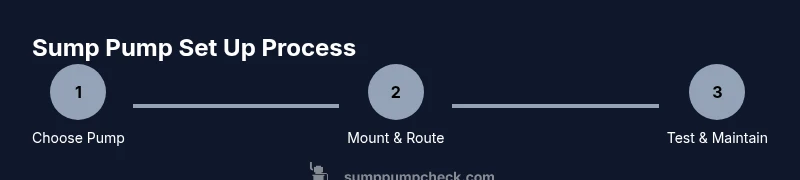
Choose pump size and type
Assess basement moisture, expected inflow, and available power. Select either a submersible or pedestal pump with appropriate horsepower to meet demand without excessive cycling. Consider a backup option for power outages and a high-quality float switch for reliable activation.
Tip: Consult pump performance curves from manufacturers to match head height and flow rate. - 2
Prepare the pit and mount the basin
Clean the area and install the basin in the lowest practical location. Ensure the pit is stable, level, and free of debris that could jam the float. Secure the basin per manufacturer instructions to minimize vibration and movement.
Tip: Use a mock fit first to verify clearance for maintenance and disassembly. - 3
Install the discharge route
Plan a direct discharge path away from the foundation and into an appropriate drainage area. Cut and fit the discharge pipe, ensuring all joints are tight and sloped properly to prevent stagnation. Install a splash block or termination point to avoid soil erosion at the outlet.
Tip: Keep the discharge path free of snow, ice, and blockages for winter reliability. - 4
Wire the pump safely
Connect power with a dedicated, GFCI-protected outlet or circuit. Use conduit for any exposed wiring and ensure moisture seals around all connections. Do not rely on extension cords for permanent installations; plan a code-compliant wiring method.
Tip: Turn off power at the breaker before handling wiring and verify with a tester before water testing. - 5
Install the check valve and secure piping
Mount the check valve on the discharge line above the pump outlet to prevent backflow. Secure all fittings with appropriate sealants and tighten to manufacturer specifications. Support piping to minimize movement and vibration that could cause leaks.
Tip: Avoid soldering indoors; use compatible fittings and test for leaks after assembly. - 6
Set float switch and verify operation
Adjust the float switch or electronic sensor so the pump starts and stops at appropriate water levels. Run a controlled test by adding water to the basin and observe the switch engagement, pump activity, and discharge flow. Re-check for leaks and ensure the unit resets properly after the test.
Tip: Document your start/stop water levels for future reference. - 7
Test, restore, and plan maintenance
After final checks, perform a full pump test and observe performance over several minutes. Create a maintenance schedule: monthly quick checks and biannual professional service if possible. Consider a backup system for power failures and cold climates.
Tip: Keep a spare fuse or small battery on hand if your system includes a backup option.
FAQ
What size sump pump do I need for my basement?
Sizing depends on the anticipated water inflow and the height the water must be pumped. A higher inflow or taller discharge path typically requires a pump with more horsepower and better airflow. Always compare manufacturer curves and seek professional guidance if in doubt.
Sizing depends on water inflow and discharge height. Compare manufacturer curves and consider professional guidance.
Do I need a battery backup for my sump pump?
A backup power source helps prevent basement flooding during storms or outages. Battery backups or water-powered backups provide resilience when your primary power is interrupted. Assess your risk and climate to decide if you should add one.
Yes, a backup helps during outages. Consider battery or water-powered backups based on risk.
Can I install a sump pump myself, or should I hire a pro?
Many homeowners can complete a basic install if they have electrical safety training and basic plumbing skills. Local codes may require a licensed professional for more complex setups or gas-powered backups. When in doubt, consult a pro.
DIY is possible for simple setups if you know electrical and plumbing basics. For complex installs, hire a pro.
Where should the sump pump discharge go?
Discharge should move water away from the foundation into a proper drainage area, avoiding openings and paved surfaces where water can collect. Ensure the route prevents erosion and complies with local codes.
Discharge away from the foundation into an appropriate drainage area and avoid erosion or code issues.
How often should I test and maintain my sump pump?
Test the pump monthly with a quick check and perform a full test at least twice a year. Clean the basin and inspect seals, wiring, and discharge connections during maintenance.
Test monthly and do a full test twice a year, plus routine cleanups.
What is a check valve and why do I need one?
A check valve prevents backflow into the sump basin when the pump stops, protecting the pump and reducing re-flood risk. Install it on the discharge line close to the pump for best performance.
A check valve stops backflow and protects against re-flooding. Install near the pump.
Should I insulate discharge pipes in winter?
Insulating exposed discharge pipes can reduce freezing risk in cold climates, but ensure the exterior termination remains accessible and water can drain freely.
Insulate exposed pipes in cold weather to prevent freezing, while keeping the outlet accessible.
Watch Video
Top Takeaways
- Choose properly sized pump for reliable operation
- Route discharge away from foundation with backflow protection
- Ensure electrical safety with GFCI and code-compliant wiring
- Test regularly and maintain a backup option
- Refer to trusted sources for safety guidance