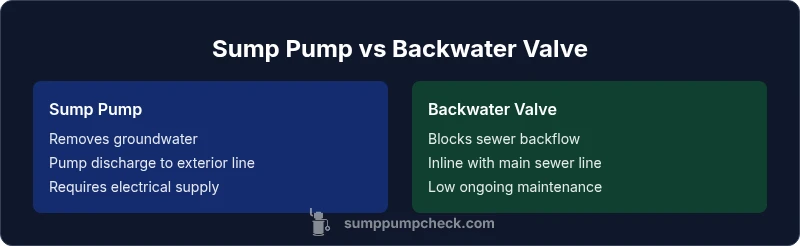
Sump Pump or Backwater Valve: A Practical Comparison
A detailed, analytical comparison of sump pumps and backwater valves to help homeowners choose the right basement protection strategy, including installation, maintenance, and cost considerations.


For homeowners evaluating basement drainage, the key distinction is that a sump pump removes accumulating groundwater, while a backwater valve prevents sewer backups from the municipal system. In practice, many homes benefit from layering both devices: a sump pump for flood protection and a backwater valve for sewer-backflow defense. This guide clarifies when to choose each option and how they work together to protect your basement.
Overview: Sump Pump or Backwater Valve
Water intrusion in basements is a common problem for many homes. When deciding how to protect your space, you often compare two core devices: a sump pump or backwater valve. Each device targets a different part of the drainage system, and they are not interchangeable in all scenarios. In practical terms, a sump pump removes water that accumulates in a sump pit, while a backwater valve prevents sewer water from backing up into your home. The choice depends on your climate, sewer configuration, and the vulnerability of your basement. Understanding the distinction is especially important for homeowners who have experienced floods, are in areas with heavy rainfall, or live in municipalities with aging sewer systems. The goal is to reduce water damage, protect belongings, and minimize remediation costs. This guide clarifies what each device does, how they interact, and how to decide whether you should install one, or both, for robust protection. According to Sump Pump Check, making an informed decision starts with recognizing the different roles of these devices and assessing your property's risk factors.
Why the Decision Matters: Risk Factors and Local Codes
Every home sits in a unique drainage ecosystem. Local rainfall intensity, groundwater levels, and sewer infrastructure shape the protection strategy. In some regions, building codes or municipal ordinances may require a backwater valve if the sewer line runs near your foundation. In others, a sump pump is discretionary but highly advisable in flood-prone basements. A careful assessment helps you avoid overengineering (unnecessary costs) or underprotection (risk of costly water damage). A practical approach combines understanding climate impact, sewer configuration, and the probability of power interruptions. Sump Pump Check’s guidance emphasizes tailoring protection to your property’s risk profile and maintaining clear discharge paths to avoid nuisance backups.
Quick Insight from Industry Practice
Most homes benefit from a layered approach in areas with both high groundwater and sewer-backflow risk. A sump pump provides active water removal during rainfall, while a backwater valve acts as a passive barrier against sewer surges. The optimal configuration often uses both, with careful attention to discharge routing, venting, and code-compliant installation practices. This balance helps ensure continuous protection even during storms or power outages.
Practical Scenario: When to Prioritize Each Device
If your home experiences frequent groundwater intrusion during wet seasons, a sump pump becomes the frontline defense. If your sewer system is prone to backups during municipal surges, a backwater valve provides crucial protection. In many cases, homeowners choose both, installing a sump pump to remove water and a backwater valve to block sewer water from entering the living space. This dual strategy reduces the likelihood of flood damage and sewage intrusion, supporting long-term safety and cost containment.
Comparison
| Feature | Sump Pump | Backwater Valve |
|---|---|---|
| Purpose | Active water removal from a sump pit to lower basement water level | Prevents wastewater from backing up into the home during sewer surges |
| Installation Complexity | Requires a sump pit, pump, and electrical supply; plumbing discharge routing | Installed inline with the sewer line; may require trenching and access to main line |
| Maintenance Needs | Regular pump tests, float-switch checks, impeller cleaning, and discharge inspection | Periodic cleaning to remove debris; ensure flap or ball valve moves freely |
| Protection Type | Groundwater and flood protection (active water removal) | Backflow protection from sewer backups (passive barrier) |
| Power/Water Connection | Electrical outlet and gravity drain routing; may require battery backup | Passive device; no power connection required unless part of an automatic system |
| Best Use Case | Areas with high groundwater or frequent rainfall | Areas in flood-prone sewer zones or with a history of sewer backups |
| Cost/Value Context | Moderate to high upfront cost depending on capacity and backup options | Moderate upfront cost with potential savings by preventing backups |
What's Good
- Provides clear separation of responsibilities: water removal vs backflow protection
- Can be combined for layered protection in high-risk homes
- Backwater valve works passively, offering protection during power outages if gravity-based
- Sump pump helps manage groundwater, reducing water damage and mold risk
Drawbacks
- Sump pumps rely on electricity; outages can leave basements vulnerable
- Backwater valves require periodic maintenance to avoid jams and ensure proper sealing
- Installation can be invasive, especially for retrofits in older homes
- Ongoing maintenance and occasional replacements add to long-term costs
Layered protection often wins: pair a sump pump with a backwater valve for robust basement defense.
If your risk factors include both groundwater intrusion and sewer backups, a combined approach offers the strongest defense. Prioritize proper installation, regular maintenance, and adherence to local codes to maximize reliability during storms and city surges.
FAQ
What is the main difference between a sump pump and a backwater valve?
A sump pump removes accumulating groundwater from a sump pit, reducing flooding. A backwater valve prevents sewer-backed sewage from entering the home by blocking reverse flow. They serve different but complementary roles in basement protection.
A sump pump removes groundwater from a pit, while a backwater valve blocks sewage from backing up into the home. They address different risk factors in basement drainage.
Can I install both devices in the same home?
Yes. In many homes, installing both provides comprehensive protection: the sump pump handles groundwater, and the backwater valve guards against sewer surges. A professional assessment helps ensure proper integration and code compliance.
Absolutely—many homes benefit from having both. Start with a risk assessment and hire a licensed plumber to install them correctly.
What maintenance do these devices require?
Sump pumps should be tested periodically, with float switches and alarms checked. Backwater valves require occasional cleaning to remove debris and ensure the flap moves freely. Both benefit from annual inspections.
Test the pump, inspect the float, and clean the valve. Regular checks help prevent surprises during storms.
Do local codes require permits for installation?
Requirements vary by municipality. Many areas require a permit for major plumbing additions or changes to the sewer line. Always verify with your local building department before starting work.
Check with your city or county building office before you start; permits are common for backwater valves and sump-pump work.
What signs indicate I might need one or both devices?
Frequent basement flooding after heavy rain suggests groundwater risk and a sump pump will help. Recurrent sewer backups point to a backwater valve. In some homes, both issues coexist and warrant installation.
If your basement floods after rain, you may need a sump pump. If you’ve had sewer backups, consider a backwater valve.
Top Takeaways
- Assess your groundwater and sewer-backup risk before choosing devices
- Consider installing both devices for layered protection in high-risk homes
- Plan for power reliability and discharge routing during setup
- Schedule regular maintenance to prevent unexpected failures
- Check local codes and permits to ensure compliant installation