Sump Pump Dimensions: A Practical Guide to Sizing and Fitting
Learn how to choose the right sump pump dimensions, from basin size to discharge piping, with practical measuring steps, common pitfalls, and installation tips.


Sump pump dimensions refer to the physical measurements of the pump and its housing, including the basin diameter, pump height, discharge pipe size, and vertical clearance. Getting these measurements right ensures the pump fits in the sump pit, aligns with outlet piping, and stays accessible for maintenance. Proper dimensions improve reliability, efficiency, and easy future upgrades.
Why Sump Pump Dimensions Matter
Choosing a sump pump is not just about horsepower or gallons per hour. The dimensions of the pump and its housing set the stage for a safe, durable installation. In real-world basements, a mismatch between the pump's size and the pit or cover can lead to awkward fittings, blocked discharge, or costly retrofits. According to Sump Pump Check, getting measurements right at the outset reduces service calls and extends the system’s life. This article uses practical measurement techniques, typical sizes, and clear guidelines to help homeowners and DIY enthusiasts size sump pump dimensions accurately in 2026. We'll cover why dimension awareness matters, the core measurements that matter, and how to verify compatibility with your pit, piping, and electrical setup.
Core Dimensions You Need to Know
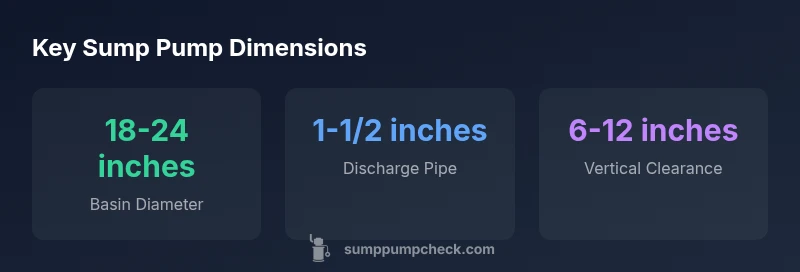
The four core dimensions that figure into most residential sump pump installs are basin diameter, pump height, discharge pipe size, and vertical clearance. Each dimension influences fit, flow, and maintenance access. For example, a basin that’s too shallow or narrow can crowd the pump, while too much height can interfere with a cover or pit lid. In many setups, standard sizes—such as an 18–24 inch basin diameter and a 1-1/2 inch discharge—cover the majority of homes. Always review product specs and your pit’s measurements before purchasing.
How to Measure Your Existing Setup
Start with the sump pit opening: measure the inside width and depth to determine the maximum basin size. Next, measure the current pump height from the base to the top of the discharge outlet; add the height of any riser or float switch. Then, measure the discharge pipe size and the distance to the nearest fitting. Finally, note any required clearance around the pump for service and airflow. Keep a sketch or photos for reference.
The Role of Dimensional Tolerances and Standards
Dimensional tolerances account for manufacturing variances and installation realities. For most residential pumps, a tolerance of ±1/4 to ±1/2 inch is typical for fittings, while discharge piping may require snug but serviceable joints. Following local codes and manufacturer guidelines minimizes leaks and clogs. In 2026, many manufacturers publish explicit measurement tolerances, so consult the spec sheet for your model and plan for a little breathing room in critical joints.
Sizing Guidelines by Basement Type
Small basements with tight ceilings often demand compact pumps with short heights, while larger pits allow taller units with higher flow. For base-case basements, aim for an 18–24 inch basin diameter and a 1-1/2 inch discharge to balance capacity and piping. In workshops or homes with flooding risk, consider higher-capacity pumps and wider basins. Always verify that the chosen dimensions align with your cover, piping, and escape clearances.
Installation Considerations for 2026 Standards
Beyond dimensions, install with attention to drainage path, check valve placement, and proper venting. Ensure discharge piping exits at a safe grade and is secured to resist movement. Keep electrical connections protected and use a GFCI outlet as required by code. The right dimensions support easier maintenance, but adherence to safety guidelines is essential.
Maintenance and Future Upgrades
Record the key dimensions in a maintenance log so you can compare replacement models later. If you upgrade to a larger basin or different pump height, re-measure the pit, piping, and clearance. Regular checks for wear, leaks, and corrosion help catch dimension-related issues early and extend system life.
Quick Reference: Dimension Checklist
- Basin diameter: measure width of the pit opening. - Pump height: from base to top of discharge outlet. - Discharge pipe size: diameter of outlet connection. - Vertical clearance: space around the unit for maintenance. - Basin depth: depth of the sump for proper submersion.
Common sump pump dimensions and their impact
| Dimension Type | Typical Range | Why it matters |
|---|---|---|
| Basin diameter | 18-24 inches | Determines pit fit and pump compatibility |
| Discharge pipe size | 1-1/2 inches | Affects connection to drainage piping |
| Pump height | 6-10 inches | Influences cover clearance and reach |
| Vertical clearance | 6-12 inches | Allows service and airflow |
| Basin depth | 14-24 inches | Impacts submersion and capture efficiency |
FAQ
Why do sump pump dimensions matter?
Dimensions determine fit, clearance, and plumbing compatibility. Incorrect sizing can lead to leaks, clogs, and difficult maintenance. Always measure carefully before selecting a pump.
Dimensions matter because fit, clearance, and piping rely on accurate sizing. Measure before you buy to prevent leaks and clogs.
What is a typical discharge pipe size?
Most residential sump pumps use a 1-1/2 inch discharge, but always verify your model’s spec sheet and local codes before connecting to piping.
Most pumps discharge through 1-1/2 inch pipes; check your model to confirm.
How do I measure pump height?
Measure from the pump’s base to the top of the discharge outlet, then add any risers or float switch height. Include clearance to the lid or cover.
Measure from base to the top outlet, then add risers and clearance to cover.
Can I replace a pump with a different height?
Yes, but ensure the new height still fits the pit and leaves space for maintenance and the cover. Recheck discharge alignment and piping.
You can replace with a different height if it still fits and you maintain access.
Where can I find dimension specs for my pump?
Check the manufacturer’s spec sheet and your model number. Local codes may also affect allowable dimensions.
Look up the model’s spec sheet and local code requirements.
“Accurate sump pump dimensions are the foundation of a reliable installation; mis-sizing leads to fit issues, leaks, and reduced performance.”
Top Takeaways
- Measure before buying to ensure fit
- Know standard sizes to compare models
- Check discharge and inlet diameters for plumbing compatibility
- Ensure adequate maintenance space around the unit
- Document dimensions for future upgrades