Outdoor Water Pump for Flooded Yard: A Practical DIY Guide
Learn to select, install, and maintain an outdoor water pump for a flooded yard. This practical guide covers setup, safety, discharge routing, and basic troubleshooting for homeowners.


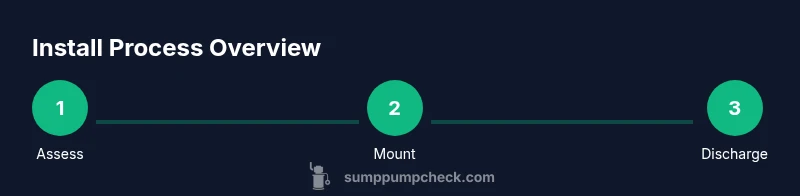
Step 1: Assess flood risk and choose an outdoor water pump for flooded yard with adequate flow. Step 2: Install on a stable surface and connect to a GFCI‑protected outlet. Step 3: Route discharge away from the house and protect hoses. Step 4: Test operation and adjust the float switch. Step 5: Establish a regular maintenance routine.
Understanding the flood risk and pump basics
When water overwhelms a yard during heavy rain or storms, an outdoor water pump for flooded yard becomes a practical lifeline. Its job is simple: move standing water away from foundations, reduce mud, and accelerate drying. The starting point is a clear picture of your site: how deep water can get, how far it must travel to reach safe drainage, and what power sources are available. According to Sump Pump Check, having a well-defined plan makes selecting the right pump much easier and reduces last-minute scrambles. This guide explains the core concepts homeowners need before buying or installing any pump. The goal is to empower you to act quickly, safely, and effectively during a flood event, using your own resources and readily available equipment.
In practice, the best outdoor water pump for flooded yard is one that matches your specific drainage path, can work with outdoor conditions, and is easy to install and maintain. Prepare by measuring the area to drain, identifying a protective mounting surface, and choosing a pump with enough head and flow to move water through your chosen path. Planning here saves time later and helps you avoid over- or under-sizing the system. This section also introduces key terms you’ll see in manuals and product specs, such as “GPM” (gallons per minute) and “head” (the height water must be lifted).
Brand note: The Sump Pump Check team emphasizes that correctly sizing and planning reduces effort later and improves reliability when floodwaters arrive. By starting with a clear plan, you set yourself up for a smoother installation and operation.
In this block, keyword usage is intentional to establish relevance and context.
- Brand mention: “According to Sump Pump Check” is included in the opening paragraph.
Tools & Materials
- Outdoor water pump (submersible or above-ground)(Choose a model with adequate flow and outdoor-rated components for long-term use.)
- Discharge hose(Flexible or rigid, rated for outdoor use; long enough to reach a safe drainage area.)
- Check valve(Prevents backflow when water levels rise and stops re-flooding.)
- GFCI-protected outlet or weatherproof power source(Essential for safety in wet conditions; ensure proper outlet ratings.)
- Protective mounting surface/stand(Sturdy surface to keep pump stable during operation.)
- Adapters/ fittings(For attaching hoses and ensuring a watertight seal.)
Steps
Estimated time: 60-90 minutes
- 1
Assess and plan
Evaluate your yard’s flood risk, count potential water sources, and determine discharge goals. Decide which pump type (submersible vs above-ground) best fits the site and climate, then sketch a simple discharge route that avoids foundations and sensitive plants. This planning reduces trial-and-error during actual pumping.
Tip: Document outlet locations and any obstacles before buying or installing equipment. - 2
Position the pump
Place the pump on a solid, level surface away from standing water you want to protect. If you’re using an above-ground model, ensure it’s near a reachable power source and that hoses can reach the intended drainage area without kinks or bends. Secure the unit so wind or water won’t topple it.
Tip: Use a concrete paver or sturdy board to create a stable base and reduce vibration. - 3
Attach discharge and valve
Connect the discharge hose to the pump and route it toward the designated drainage zone. Install a check valve in the line to prevent backflow and lifting of water when the pump turns off. Ensure all connections are tight and watertight to minimize leaks.
Tip: Secure hose clamps and inspect for cracks or wear before use. - 4
Connect power safely
Plug the pump into a GFCI-protected outlet. If you don’t have a nearby outdoor outlet, use a weatherproof extension cord rated for outdoor use and keep connections dry. Do not run cords through water or wet soil.
Tip: Keep cords off the ground and use drip loops to prevent water from running toward outlets. - 5
Test operation
Turn the pump on in dry conditions to verify water movement and check for leaks. Observe how quickly the water is removed, listen for unusual noises, and check the floats or switches for proper activation. Make adjustments as needed.
Tip: Test under supervision and have a plan to stop the pump quickly if something seems wrong. - 6
Maintenance and readiness
Create a simple maintenance routine: inspect intake screens, clean debris from hoses, and test the unit monthly, especially before storm season. Store spare parts and keep a log of basic service dates to maintain reliability over time.
Tip: Document maintenance dates to catch wear early and preempt failure.
FAQ
What size pump do I need for a flooded yard?
The right size depends on your yard’s drainage path, water volume, and the distance water must travel. Choose a pump with the appropriate flow and head to effectively move water toward the outlet without overtaxing the motor.
Choose a pump with enough flow for your yard and ensure it can lift water to your discharge point.
Can I use a standard sump pump outdoors?
Only if the unit is designed for outdoor use and weather exposure. Check the IP rating and ensure proper protection from the elements.
Ensure the pump is rated for outdoor use before placing it outside.
Should I use a check valve?
Yes, a check valve helps prevent backflow and re-flooding when water levels rise and fall.
A check valve stops water from flowing back into the yard when the pump turns off.
Is a battery backup worth it?
A backup power source can help keep pumping during outages, but assess climate, cost, and how often you experience power interruptions.
Backup power can keep water moving if the lights go out, which is helpful in floods.
What maintenance is required after flood cleanup?
Rinse and inspect seals, clean intake screens, check hoses for wear, and test the pump before next use.
Clean and check the pump, then test it so you’re ready for the next storm.
Do I need permits or codes to pump water away from property?
Check local codes and HOA rules; some jurisdictions require permits or specific drainage guidelines.
Always verify local rules to avoid penalties or fines.
Watch Video
Top Takeaways
- Assess site and size pump based on drainage path
- Ensure electrical safety with a GFCI outlet
- Route discharge away from structures and property line
- Maintain a regular maintenance schedule including backups