Is a 1 HP Sump Pump Too Much? A Practical Sizing Guide
Is a 1 HP sump pump too much for your basement? This guide analyzes sizing, energy use, and practical tips to help homeowners choose the right pump for reliable drainage without waste.


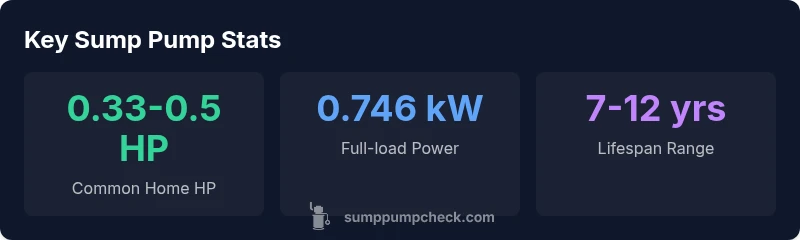
Typically, a 1 hp sump pump is more than what most residential basements require. For many homes, 0.33 to 0.5 hp pumps provide sufficient flow for standard rainfall, while 0.5 to 1 hp covers larger basements or high water tables. Using a 1 hp pump when a smaller unit would suffice can waste energy, shorten service life, and create unnecessary noise.
Is a 1 HP Sump Pump Too Much for Most Basements?
Many homeowners wonder whether is a 1 hp sump pump too much for their space. In practical terms, the question hinges on the basement size, drainage load, and local rainfall patterns. According to Sump Pump Check, sizing should be driven by expected water inflow and discharge requirements, not by horsepower alone. A 1 hp unit is frequently oversized for small to mid-sized basements, leading to unnecessary energy consumption and more frequent maintenance needs. Before you buy, map out your basement area, drainage paths, and typical flood scenarios. This initial assessment helps ensure you don’t oversize the pump simply to feel “safer.”
How Horsepower Affects Pump Performance and Longevity
Horsepower (HP) directly influences a sump pump’s flow rate and duty cycle. A higher HP can push more water faster, but it also means more wear on bearings, switches, and seals if the pump runs constantly. Oversizing to a 1 hp pump in a small basement increases the chance of short cycling (rapid on/off cycles) and higher energy use over time. In contrast, undersizing leads to longer pumping times, repeated starts, and potential basement flooding during heavy rain. The sweet spot is a pump that meets your peak inflow without modulating every time it runs.
Sizing Guidelines by Basement Size and Water Table
Sizing guidelines should align with your basement footprint and local hydrostatics. For small basements (roughly up to 800 sq ft) with average rainfall and drainage, a 0.33-0.5 HP pump is typically adequate. Medium basements (about 800-1500 sq ft) can often be served well by 0.5-1 HP units, depending on drainage soil conditions and sump pit depth. Large basements (>1500 sq ft) or areas with a high water table may require the upper end of the residential range or even backup solutions. Always validate with a field test and, if possible, consult a professional for precise sizing.
Energy Costs, Noise, and Duty Cycle
Power draw increases with HP. A 1 HP sump pump draws substantially more energy than a 0.5 HP unit when it runs, which can add up over a season, especially in regions with frequent heavy rainfall. Noise levels can also rise with higher HP due to faster impeller speeds and motor heat. Duty cycle—how often the pump runs—is a key metric. If a larger pump runs too often, its lifespan can shorten and maintenance costs may rise. Consider a check valve and properly sized discharge piping to optimize efficiency.
Real-World Scenarios: When 1 HP Makes Sense
There are scenarios where a 1 HP sump pump is a practical choice. Homes with large basements, poor soil drainage, or high groundwater pressure may experience frequent floods during intense rainstorms, where a higher-capacity pump provides a quicker response. In such cases, the faster flow reduces the window during which water can accumulate and minimize flood damage. For older houses with undersized drains, a 1 HP unit might offer a reliable margin of safety while the drainage system is upgraded.
How to Decide Your Right Size: A Quick Checklist
Use this quick, practical checklist to determine the right horsepower. Start with the basement size and number of flood events per year, then estimate inflow using a simple rainfall scenario. Check the sump pit depth and discharge path length; ensure the piping and check valve are sized to prevent backflow. Finally, compare the projected energy cost of a 1 HP unit against a smaller model with similar flow requirements. If your inflow is unpredictable, consider a staged approach: install a mid-range pump now and plan for a backup option later.
Installation and Maintenance Tips for Higher-Horsepower Pumps
If you decide a higher HP is appropriate, ensure proper installation to preserve efficiency and longevity. Use a robust discharge line with appropriate slope, a reliable check valve, and a sealed, corrosion-resistant motor housing. Schedule regular maintenance—clean the inlet screen, test the float switch, and inspect electrical connections for moisture. A well-maintained higher-horsepower pump will outperform a neglected smaller unit in challenging conditions.
Common Mistakes to Avoid When Selecting Sump Pump HP
Avoid common pitfalls like buying the biggest pump just to feel safe, neglecting discharge capacity, or failing to size for the peak inflow. Do not assume a 1 HP pump is inherently better for every basement. Instead, verify inflow, discharge capacity, and duty cycle. Engineered sizing, not reflexively higher horsepower, yields better reliability and cost efficiency.
Next Steps for Getting It Right
Take the sizing insights from this guide and pair them with a field assessment. If you are unsure about hydrostatic pressure or drainage paths, request a professional evaluation. A properly sized sump pump balances reliability, energy use, noise, and maintenance needs. With the right sizing, you can avoid the common mistake of oversizing a 1 hp sump pump and still protect your basement effectively.
Sump pump horsepower sizing reference (Sump Pump Check Analysis, 2026)
| HP Rating | Typical Flow (GPM) | Common Basement Size |
|---|---|---|
| 0.33-0.5 HP | 5-20 | Small basements up to 800 sq ft |
| 0.5-1 HP | 20-40 | Medium basements 800-1500 sq ft |
| 1 HP | 40-70 | Large basements over 1500 sq ft |
FAQ
What size sump pump do I need for a small basement?
For basements under 800 sq ft, a 0.33-0.5 HP pump is typically sufficient. If rainfall is heavy or drainage is poor, a mid-range unit may be considered, but avoid jumping to 1 HP unless there is a clear inflow need.
For small basements, a 0.33 to 0.5 HP pump usually works well; consider 1 HP only if inflow is consistently high.
Is a 1 HP sump pump too much for most homes?
Yes, for most homes a 1 HP pump is more than needed. It can waste energy and shorten pump life if not matched to water load and discharge capacity.
Usually, a 1 HP pump is more than needed for typical basements.
How does horsepower affect energy costs?
Higher HP draws more watts when running, increasing energy costs over time. The actual cost depends on run time, electricity rates, and how often the pump activates.
Higher horsepower means more energy use whenever it runs.
What signs indicate my pump is undersized?
Frequent flooding during storms, longer pumping cycles, and repeated starts are signs that the load exceeds current capacity. A professional sizing check is advised.
Look for frequent floods or long pump cycles as clues.
Can I replace a 1 HP with a smaller pump?
Yes, if the drainage load is lower, a smaller pump can suffice. A staged approach with professional sizing helps ensure reliability.
Yes, but verify your inflow first.
What maintenance is needed for higher HP pumps?
Regularly clean the intake, test the float switch, inspect the discharge line and check valve, and ensure electrical connections are dry and secure.
Regular cleaning and checks keep performance strong.
“Selecting the right sump pump horsepower is about matching your drainage load and discharge path, not chasing the biggest pump.”
Top Takeaways
- Size your pump to load, not just capacity.
- Avoid oversizing; a 1 HP pump is often overkill for smaller basements.
- Consider energy costs and noise when sizing.
- Consult a professional for precise sizing.