Do You Need to Seal a Sump Pump for Radon? Practical Guidance for Homeowners
Learn whether sealing a sump pump pit helps reduce radon, when to pursue formal radon mitigation, and practical, safe sealing steps for homeowners. This guide covers testing, venting, and professional options for basement radon control.


According to Sump Pump Check, sealing a sump pit can reduce radon intrusion but is not a stand-alone solution. This quick guide helps you decide whether sealing is appropriate and how to do it safely, including seals, venting considerations, and when to test. Begin with inspection, use proper sealants, and consider professional mitigation if levels stay high.
Do you need to seal sump pump for radon? What this means for your basement
Do you need to seal sump pump for radon? The answer depends on your radon test results, local codes, and the condition of your sump pit. According to Sump Pump Check, sealing the sump pit can reduce radon intrusion in many basements, but it is not a stand-alone solution. In practice, sealing should be part of a broader plan that includes testing, venting, and professional guidance when needed. Begin with a thorough inspection of the pit, lid, and surrounding gaps, and proceed with cautious sealing using the right materials. Remember: the goal is to limit pathways for soil gas, not to trap moisture or block pump access. This section explains when sealing makes sense, what it can achieve, and how to do it safely while preserving the sump system.
How radon moves in basements and how a sump pit affects it
Radon enters homes mainly through soil gas that migrates through cracks in foundations and into indoor air. In some basements, a sump pit can act as a conduit, drawing soil gas up and sometimes pulling air from the living space if pressure differences exist. Sealing the sump pit lid and perimeter gaps can reduce direct pathways, but this is not the same as a full radon mitigation system. Sump Pump Check analysis shows that testing for radon and understanding ventilation patterns are essential to know how much sealing helps in your situation. The bottom line: seals limit entry points, but testing remains the only way to confirm radon levels and the effectiveness of any sealing work.
Practical sealing approaches and when to avoid sealing
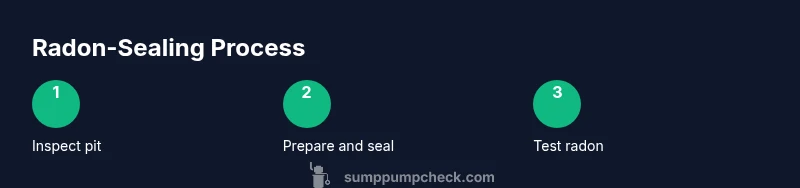
Effective sealing starts with a clean, dry surface and a lid that fits tightly. Use a radon-rated masonry sealant along the rim, paying attention to gaps where pipes or conduits enter the pit. Apply sealant evenly, and allow it to cure according to manufacturer instructions. Do not seal over the sump discharge line or the vent path if you have one; good venting is essential for safe operation. If your pit is cracked or the surrounding concrete is deteriorating, repair those issues first before sealing. These steps can reduce radon pathways while keeping the sump pump accessible for maintenance.
When to pursue radon mitigation beyond sealing
If radon test results remain above the EPA-recommended action levels after sealing, or if your home has other radon risk factors (water activity, porous slab, or poor ventilation), a professional mitigation system is usually needed. The most common approach is active sub-slab depressurization or venting tied to the home's HVAC system; a licensed radon contractor will size and design the system, integrate it with the existing sump setup when appropriate, and ensure code compliance. Sealing can be a supplemental measure, but it should not replace proven mitigation methods for elevated radon. Always pair sealing efforts with fresh air exchange and routine follow-up tests.
Verdict and practical next steps
The verdict for most homeowners is practical and incremental: seal gaps around the sump pit, ensure a proper lid, and verify radon with a test after sealing. The Sump Pump Check team recommends treating sump-pit sealing as one piece of a comprehensive radon strategy, not the entire fix. For elevated radon, pursue a professional mitigation plan that targets the source of radon entry and preserves the sump’s function. Regular checks and re-testing help track progress and protect indoor air quality.
Authority sources
For further reading on radon and sump-pit sealing, consult these authoritative sources. The EPA provides guidance on radon in homes and mitigation options, while the CDC offers practical public health information about radon testing and exposure. The NIEHS provides scientific context on radon as a health risk and mitigation considerations.
- https://www.epa.gov/radon
- https://www.cdc.gov/radon/index.html
- https://www.niehs.nih.gov/health/topics/agents/radon/index.cfm
Tools & Materials
- Sump pit lid or sealed cover(Solid lid with airtight seal if possible)
- Polyurethane or silicone sealant rated for concrete(Radon-resistant sealant; ensure compatibility with damp environments)
- Caulk gun(To apply sealant into gaps)
- Utility knife(Trim sealant beads for tight fit)
- Safety gear (gloves, goggles)(Protect hands and eyes during sealing)
- Vacuum or brush for clean surfaces(Prepare surface before sealing)
Steps
Estimated time: 2-3 days
- 1
Inspect sump pit and radon risk
Power down the sump pump, clear the area, and visually inspect cracks, gaps, and the lid. Identify pathways where soil gas could enter or where moisture buildup could undermine a seal. This step sets the foundation for a targeted sealing plan.
Tip: Document gaps with photos and measurements so you can seal precisely. - 2
Gather materials and prep the area
Collect the recommended sealants and tools, and lay down drop cloths to protect the floor. Ensure the area is dry and free of standing water; moisture near the pad can affect sealant adhesion.
Tip: Read product data sheets to confirm compatibility with concrete and wet environments. - 3
Clean and ready surfaces
Use a brush or vacuum to remove dust, dirt, and loose concrete near the pit rim. Clean any oils or sealant residues that could prevent adhesion. Dry surfaces improve seal longevity.
Tip: A dry, clean surface yields the strongest bond for radon-rated sealants. - 4
Apply seals around pit edges
Apply a continuous bead of sealant along the rim and any visible cracks. Smooth the bead for contact, and press-in any gaskets or patches as needed. Allow the sealant to cure per manufacturer instructions before testing.
Tip: Avoid gaps larger than a pencil width; inconsistencies invite leaks. - 5
Upgrade the sump lid or enclosure
Install a lid that fits tightly or replace it with an airtight enclosure if possible. Ensure the lid does not obstruct pump access or maintenance tasks.
Tip: Maintenance access is essential; choose a design that balances seal and serviceability. - 6
Test radon and monitor
After sealing, perform a radon test to gauge impact. If radon remains high, consult a professional for a full mitigation plan and confirm any code requirements are met.
Tip: Store test results and plan a follow-up test in a few months to verify progress.
FAQ
Do I need to seal my sump pit to prevent radon?
Sealing can reduce radon entry by limiting pathways, but it is not a substitute for a formal radon mitigation system. Testing and, if needed, professional mitigation should follow any sealing work.
Sealing helps reduce entry points, but you may still need a mitigation plan if radon levels stay high.
Can sealing a sump pit replace professional radon mitigation?
No. Sealing may reduce some pathways but a comprehensive radon mitigation system is typically required for elevated levels. A licensed contractor can assess whether a combined approach is best.
Sealing alone often isn’t enough for high radon; professional mitigation is usually needed.
What should I test after sealing for radon?
Use a certified short- and long-term radon test to establish a baseline and monitor progress after sealing. Re-test after a few months to confirm the seal’s effectiveness.
Test with a certified radon kit, then re-test after some time to verify results.
Are there safety concerns when sealing around a sump pit?
Yes. Shut off power before work, avoid blocking access, and ensure the sealant cures fully without heat buildup. If you’re unsure, consult a professional.
Turn off power and let the seal cure fully; if in doubt, get help from a pro.
When should I call a professional for radon and sump issues?
Call a radon professional if radon tests remain high after sealing, if you detect persistent moisture or structural damage, or if you’re unsure how to integrate mitigation with your sump system.
If radon stays high after sealing, or you’re unsure how to proceed, call a pro.
Watch Video
Top Takeaways
- Seal only as part of a broader radon plan
- Test radon before and after sealing to measure impact
- Use radon-rated sealants and a tight lid for best results
- Do not block discharge or vent paths during sealing