Can You Drain a Sump Pump into the Sewer Line? A Practical Guide
Learn whether you can drain sump pump discharge into the municipal sewer line, when it's allowed, required backflow protection, permits, and practical alternatives for safe, code-compliant drainage.


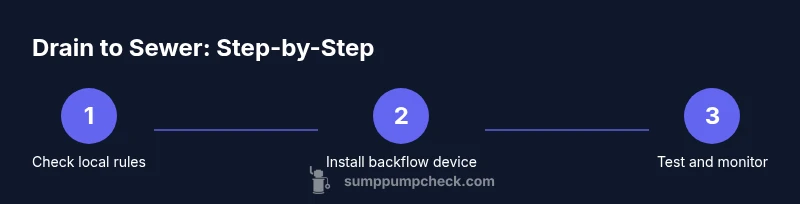
Yes, you can drain sump pump discharge into the sewer line where allowed by local code, but many jurisdictions prohibit it or require backflow protection and a dedicated permit. Before proceeding, check your municipality's rules, your home's sewer system layout, and the presence of a backwater valve or sump pump discharge regulations. If permitted, install a backflow preventer and use proper fittings to avoid backflow into the home.
Legal and Practical Realities
Can you drain sump pump into sewer line? The short answer is that it depends on local regulations, utility rules, and the design of your home's drainage system. In many municipalities, sewer-discharge connections require permits, backflow prevention devices, and specific materials that prevent wastewater from re-entering the home. Even when permitted, there are strict guidelines about where the discharge enters the system, what flow rates are allowed, and how the sump pump should be protected from backflow. Homeowners should treat the discharge as a formal drainage project with potential sanitary consequences. Failing to follow the rules can lead to fines, warranty voids, and potential contamination of the municipal sewer system. Throughout this article, we reference general best practices and emphasize consultation with local authorities before modifying any discharge path. According to Sump Pump Check, staying ahead of code requirements helps protect your home and neighbors.
Understanding Local Codes and Permits
Discharging sump pump water into the sewer line is not universally allowed. Some jurisdictions treat it as acceptable only with a permit and backflow prevention; others prohibit it entirely to protect the public sewer system. The key is to verify with your city or county building department, and if you belong to a homeowners association, confirm HOA rules as well. Permits typically cover the discharge location, backflow protection, and any required testing. Even if your area allows sewer discharge under certain conditions, you may still be required to install specific fittings or devices to prevent backflow into your house or onto private property. Always document approvals in writing and keep copies of any permits or inspection reports.
Alternatives When Sewer Discharge Is Prohibited
If the local rules don’t permit sewer discharge, homeowners have viable alternatives that still protect their property. Direct discharge to an exterior drainage area away from the foundation, connect to a dry well designed for stormwater, or route to a designed landscape drainage system. In many cases, using a backwater valve and a check valve on the sump discharge line reduces backflow risk while complying with code requirements. Another option is installing a sump pump with a higher-capacity pump that operates more efficiently without stressing the municipal system. Always pursue alternatives that minimize environmental impact and meet local standards.
How to Plan a Safe Discharge Route (If Permitted)
Planning is essential when sewer discharge is allowed. Start by mapping the discharge path from the sump pit to the sewer line, noting any horizontal or vertical runs, obstacles, and electrical safety considerations. Ensure the route uses rigid PVC piping rated for wastewater, with proper slope to prevent standing water. Include a backflow preventer or check valve near the connection to the sewer line to block any backflow into your home. Use approved fittings, seal joints with primer and cement, and keep the discharge point above potential flood elevations. Document inspection-ready plans and, if required, obtain an installer’s certification.
The Role of Backflow Prevention and Valves
Backflow prevention is central to any sewer discharge plan. A backwater valve or check valve helps prevent wastewater from re-entering the house if the municipal system surges. Many codes require these devices to be installed at the property line or within the building drain near the sump discharge. The device should be tested during inspections and maintained regularly. If you skip this, you risk backflow into your basement, contamination, and potential penalties. Choosing the right valve involves considering the pump's flow rate and the pipe diameter in your discharge path.
Note: Always select devices certified for wastewater service and compatible with your pipe material.
Installation Considerations and Common Pitfalls
If you proceed with sewer discharge, plan for a clean, professional installation. Use Schedule 40 PVC or ABS pipes, with proper gluing and solvent welding for joints. Avoid solvent fumes and ensure all connections are dry-fit before final sealing. Common pitfalls include undersized pipe diameter, insufficient slope, and failing to vent the line where necessary. A common mistake is routing the discharge too close to the foundation or into a storm drain that isn’t connected to the sanitary system. Careful planning reduces future problems and eases maintenance.
Maintenance, Testing, and Documentation
After installation, test the discharge system with a controlled pump run and verify no leaks, backflow, or unusual odors. Schedule periodic checks of fittings, valves, and the integrity of joints. Maintain a simple log of inspections, dates, and any repairs. If you notice backflow during heavy rainfall, stop using the sewer-discharge path immediately and consult a licensed plumber or the local authority. Keeping thorough records helps during code inspections and any HOA reviews.
Safety and Environmental Considerations
Wastewater contains contaminants that pose health risks. Wear PPE during any maintenance work, and never dispose of hazardous chemicals or pollutants via the sump discharge. If your discharge is connected to the sewer, ensure the area around the discharge point is protected from trip hazards and water damage. Always follow local safety guidelines and avoid overloading the municipal system, which can cause backups in adjacent homes.
Tools & Materials
- Notebook and pen(record codes, permit numbers, and measurements)
- Pipe wrench(adjustable for fittings)
- Pipe cutter or saw(cut PVC/ABS safely)
- PVC pipe (Schedule 40) and fittings(to create discharge run)
- Backflow preventer or backwater valve(required by code in many areas)
- PVC primer and cement(for secure joints)
- Safety glasses and gloves(protect yourself during installation)
- Hose bib or discharge adapter(for testing the system)
- Plumber's tape and sealant(avoid leaks at joints)
- Tape measure and marker(layout and mark pipe slope)
Steps
Estimated time: 2-4 hours
- 1
Check local codes and secure permits
Begin by contacting your city or county building department to confirm whether sewer discharge is allowed where you live. If required, apply for the necessary permit and obtain written approval before any work begins. Documentation helps protect you from penalties and streamlines inspections.
Tip: Keep permit numbers and contact names in a dedicated file for quick reference. - 2
Assess discharge path and required backflow devices
Map the path from the sump discharge to the sewer connection. Decide where a backflow preventer or check valve will be installed to block reverse flow, and confirm pipe diameters match the chosen valve. This planning reduces leaks and code issues during installation.
Tip: Choose a backflow device rated for wastewater service and compatible with PVC. - 3
Shut off power and prepare the work area
Disconnect the sump pump from power and remove any standing water around the pit. Lay down plastic or a tarp to catch spills and protect the floor. This step minimizes electrical hazards and keeps the workspace clean.
Tip: Have a bucket ready to capture residual water during testing. - 4
Install backflow device and route discharge
Install the backflow preventer at the planned location and run rigid PVC pipe toward the sewer connection with a proper slope. Glue joints securely and test fit before final sealing. Ensure all joints are watertight to prevent leaks.
Tip: Dry-fit first to avoid sticky surprises. - 5
Make sewer connection with approved fittings
Connect to the existing sanitary line using the correct adapters and solvent-wused joints. Do not vent or create a trap that traps wastewater; follow the pipe's slope and ensure the discharge is above flood elevations. Seal joints and verify there are no cross-connections.
Tip: Always use approved fittings and avoid improvised adapters. - 6
Test, monitor, and document the system
Power the pump and run several cycles to confirm no backflow or leaks occur. Check all joints and the discharge point for drips. Record the test results, take photos, and file any required inspections with the authority.
Tip: Document test results and keep copies of inspection reports.
FAQ
Is it legal to drain a sump pump into the sewer line?
Legal permissibility varies by location. Some areas allow sewer discharge with a permit and backflow prevention; others prohibit it altogether. Always check local codes and HOA rules before proceeding.
Whether you can drain into the sewer depends on your local rules—check with your city and HOA, and obtain any necessary permits before you work.
What should I do if sewer discharge is prohibited in my area?
If prohibited, explore alternatives such as drainage to exterior areas, a dry well, or a dedicated stormwater system. A licensed plumber can help design a compliant solution.
If you can’t discharge into the sewer, consider legal alternatives and consult a professional to design a compliant setup.
Do I always need a permit to discharge sump pump water to sewer?
Permits are commonly required for sewer connections, especially when introducing wastewater into the sanitary system. Contact your local building department to confirm permit needs.
Usually yes—permit requirements are common for sewer connections, so check with your local authority.
Can I connect sump pump discharge to a septic system?
Discharging to a septic system is typically not recommended unless specifically allowed by code. Septic systems have their own rules and flow limits.
Usually not advised unless your local code explicitly permits it; consult a professional.
What devices are essential for sewer discharge safety?
A backflow preventer or backwater valve is essential, along with properly rated pipe fittings and supported mounting. Regular testing and maintenance are also important.
Backflow prevention and proper fittings are key for safety and code compliance.
What are safer alternatives if sewer discharge is not allowed?
Direct discharge to exterior drainage, a dry well designed for stormwater, or a compliant landscape drainage plan are common alternatives. A licensed plumber can help design the best option.
If sewer discharge isn’t allowed, there are compliant alternatives like exterior drainage or a dry well.
Watch Video
Top Takeaways
- Check local codes and permits before any discharge work
- Install backflow prevention to protect your home and the sewer system
- If sewer discharge isn’t allowed, pursue compliant alternatives
- Document approvals, tests, and inspections for future reference