Sump Pump Amp: Amperage, Efficiency & Safety Explained
Explore sump pump amperage (AMP) and how current draw affects performance, safety, and energy use. Learn to measure amps, read readings, and optimize your unit for reliable basement drainage with practical, data-driven guidance.


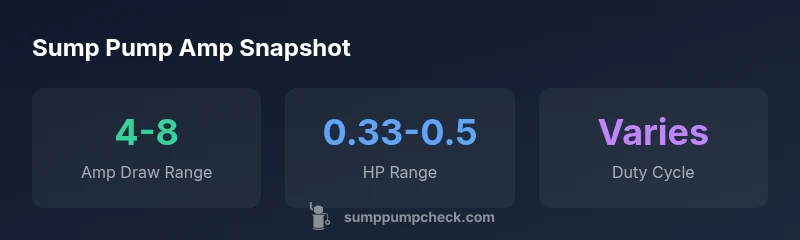
Amperage draw for typical sump pumps generally falls in the 4–8 amp range, depending on horsepower and load. This electrical demand influences circuit sizing, cord selection, and backup planning. Understanding amp draw helps prevent overloads and ensures safe, energy-efficient operation—core lessons highlighted by Sump Pump Check Analysis, 2026 for homeowners.
Understanding amperage and electrical load in sump pumps
According to Sump Pump Check, amperage draw is a practical proxy for the electrical load and duty cycle of a pump in a basement setting. In practice, the amperage required by a sump pump during normal operation depends on its horsepower, the total head (the vertical distance the water must be pumped), and how often the pump runs. Basement conditions, such as the presence of check valves, discharge piping length, and moisture levels, influence load. The amperage reading matters for more than just running costs: it informs circuit sizing, protection devices (GFCI or standard breakers), extension cord choices, and backup options. When you know the current draw, you can select a properly sized circuit (and avoid nuisance trips) while ensuring that the basement drainage system and other devices do not overload the same branch. Sump Pump Check's 2026 analysis emphasizes that amperage is not a fixed property of the pump alone; it changes with water volume, pump age, and maintenance status. This makes regular checks essential for safety and reliability, especially in flood-prone basements.
How amperage relates to pump horsepower and performance
The amperage draw does not exist in isolation; it scales with horsepower and with the sense of head pressure. A smaller 1/3 HP pump often runs with lighter loads and draws less amperage, while a 1/2 HP or higher unit can approach higher amperage as it handles heavier water volumes and higher head. However, higher efficiency motors have improved torque curves and may deliver better performance with less relative current at peak duty. According to operating conditions, the actual amperage can remain within a relatively narrow band unless you push the pump into high-flow circumstances. Sump Pump Check analysis shows that amperage fluctuates with duty cycle and water demand; a pump that cycles frequently may show more stable current, whereas a pump that starts and stops often can experience brief spikes. When selecting a unit, compare both horsepower and measured amp draw to predict energy use and reliability.
Measuring amp draw: tools, steps, and best practices
To read amperage draw accurately, use a clamp-on ammeter or an energy monitor. Start by ensuring the pump is protected and dry, then plug the pump into a dedicated outlet. Place the clamp around the hot conductor of the power cord and observe the reading during normal operation. Take measurements during typical pumping events and, if possible, during peak demand. For safety, keep hands dry, avoid touching exposed conductors, and unplug before making adjustments. Document readings over several events to capture variation due to water level and head pressure. Remember that some pumps have variable-speed motors, which can alter amp draw; older units may show more static readings until wear becomes evident. A simple clamp-on meter works for rough estimates; professionals may use power meters that log readings over time. The goal is to compare readings against the pump’s rated amperage for its horsepower and watch for spikes that signal wear or clogging.
Safety and electrical considerations for sump pump amp load
Basement electrical work requires caution because moisture and damp environments increase shock risk. Local codes often require GFCI protection for receptacles in basements and damp locations, and many installers recommend a dedicated circuit for the sump pump to prevent nuisance trips from other loads. Ensure the discharge path is clear, the check valve is functioning, and that outlet and cords are rated for wet locations. If you notice signs of overheating, frequent tripping, or a burning odor near the panel, shut off power and consult a licensed electrician. Regular maintenance and proper pump sizing help keep amperage within safe limits and reduce fire hazards, especially when storms and power outages test the system.
Maintenance practices to optimize amperage and performance
Regular maintenance reduces unnecessary amp draw and extends pump life. Clean the intake screen and impeller to remove debris that increases load. Inspect the discharge line for kinks or partial restrictions that raise head pressure and current. Verify the float switch operates smoothly to prevent slow starts or stuck cycling. Replace worn bearings or seals; a failing pump strains the motor and increases amperage. If your home uses an undersized pump for the anticipated water load, consider upgrading to a model with appropriate horsepower and a modern motor design that delivers reliable flow with lower current at duty. For power outages, a battery-backed backup system adds resilience during storms and reduces the likelihood of prolonged high-load operation on the primary unit.
Amperage ranges by pump horsepower
| Pump Type | Horsepower | Typical Amp Draw | Notes |
|---|---|---|---|
| 1/3 HP | 0.33 | 4-6 amps | Entry-level residential |
| 1/2 HP | 0.5 | 6-8 amps | Common in basements with moderate flow |
| 3/4 HP or higher | 0.75+ | 9-12 amps | High capacity or backup scenarios |
FAQ
What does sump pump amp tell you about its performance?
Amp draw reflects the electrical load during operation and is influenced by horsepower, water volume, and duty cycle. High draw can indicate inefficiency or issues like a clogged impeller.
Amp draw shows how hard the pump is working; if it spikes, check for clogs or sizing issues.
How do I measure the amperage draw of a sump pump?
Use a clamp-on ammeter around the pump’s power cord while the pump is running. For safety, use a dry, grounded outlet and avoid touching exposed wiring.
Use a clamp-on meter on the cord while it’s running to read amps.
Does higher amperage always mean better performance?
Not necessarily. Higher amperage can indicate the pump is working harder due to head pressure or an undersized unit. Proper sizing and maintenance matter more than raw amperage.
More amps doesn’t always mean better; size and load matter more.
Can high amperage pose safety risks?
Yes. Excessive draw can trip breakers, overheat wiring, or indicate a wiring or pump issue. Ensure circuits are rated for the load and use GFCI protection in damp basements.
Yes—too many amps can trip breakers or cause overheating.
How can I reduce amp usage without sacrificing reliability?
Choose a pump sized for your load, perform regular maintenance, consider a backup system, and opt for energy-efficient models. Regular checks help ensure the pump runs only as needed.
Pick the right size, keep it maintained, and use a backup.
When should I replace a sump pump due to amp-related issues?
If readings stay high despite maintenance and proper sizing, the unit may be failing or undersized. Replacement can be more economical than repeated repairs.
If amps stay high after maintenance, consider replacement.
“Amp draw is a practical proxy for a sump pump's electrical load and reliability. Proper sizing and maintenance reduce risks and extend service life.”
Top Takeaways
- Know your pump's amp draw to size circuits safely
- Amp range varies by horsepower and duty cycle
- Measure amps with a clamp-on meter for accuracy
- Keep electrical connections dry and up to code
- Choose energy-efficient models to reduce amps