How to Remove Radon Sump Pump Cover
Learn how to safely remove a radon sump pump cover, inspect vent paths, and reseal for reliable radon mitigation. This guide covers safety, tools, step-by-step actions, and maintenance tips from Sump Pump Check.


Removing the radon sump pump cover is a safe, practical maintenance task that improves access for inspection and testing. You’ll power down the unit, gather basic tools, and carefully lift the cover to inspect seals, vent lines, and the pit. This guide walks you through each step with safety in mind.
Why removing the radon sump pump cover is a practical maintenance step
Radon is a colorless, odorless gas that can accumulate in basements when a sump pump is installed. Regularly removing the cover for inspection allows you to verify that the vent pipe is clear, the check valve is functioning, and seals are intact. By doing this maintenance, you reduce the risk of reduced airflow that could compromise the radon mitigation system. The process also gives you a chance to look for signs of moisture, mold, or pest intrusion that can affect performance. According to Sump Pump Check, routine access to the sump area is a simple, proactive habit that pays off in long-term safety and system reliability. Keep notes on what you observe and compare over time to detect developing issues early.
Radon basics and why the cover matters
Sump pits are part of many radon mitigation strategies in basements. The cover helps protect the pit from debris and prevents accidental contact with moving parts. Removing the cover should be done only for short, planned checks; avoid leaving the opening exposed for long periods. When the cover is removed, you can visually inspect the discharge pipe for cracks, the vent path for kinks, and the interior of the pit for standing water. If you notice cracks or water pooling, address them before re-covering. Proper reassembly helps maintain consistent airflow and keeps radon levels from fluctuating due to partial blockages.
Identifying cover types you might encounter
Radon sump covers vary by model and age. Common types include solid molded plastic lids, perforated metal grates, and sealed metal boxes with a small vent opening. Some covers fasten with screws, others twist on or snap in place. Knowing your cover type helps you choose the right tool and technique, and reduces the risk of damage during removal. If you’re unsure, photograph the general setup before you begin and consult the manufacturer’s notes if available.
Safety first: PPE and electrical precautions
Before touching the sump cover, ensure the area is safe. Turn off the sump pump’s power at the breaker or disconnect the cord if reachable. Wear protective gloves and safety glasses to guard against sharp edges, splash from the pit, or accidental contact with moving parts. Never work near exposed electrical components with wet hands or standing water. If you smell gas or suspect a strong radon buildup, evacuate and contact a professional.
Tools and prep for removal
Gather a flashlight, screwdrivers (flathead and Phillips), needle-nose pliers, safety gloves, and safety glasses. Have a dry towel or small bucket on hand to catch minor splashes. Clear the area around the sump pit and lay down a drop cloth to protect floors. If you expect corrosion or tight fasteners, apply penetrating oil sparingly and allow a few minutes to work.
The removal process: what happens behind the scenes
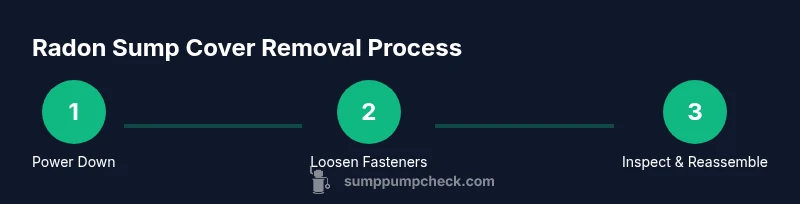
The removal process begins with accessing the fasteners that secure the cover. Once loosened, gently lift the lid to avoid sudden drops or pinching fingers. Inspect the interior for standing water, residue, or damaged seals. Check the vent path for obstructions and confirm the discharge pipe is aligned. Take photos or notes to guide reassembly and future inspections.
Inspecting the sump and vent lines after removal
With the cover off, look for moisture accumulation, mold, or mineral deposits along the walls of the sump pit. Inspect the vent line for cracks or loose connections and confirm the discharge path is clear. If you find sludge or debris, clean the area with a damp cloth and ensure the line remains unobstructed. Refrain from forcing components back into place if any part appears damaged.
Common problems and how to handle them
Common issues include corroded screws, a warped cover, or a cracked gasket. If screws won’t budge, apply a bit of penetrating oil and wait five to ten minutes before reattempting. Do not force a cover that feels stuck. If you discover significant damage or persistent radon concerns, pause the process and call a qualified technician.
Replacing, resealing, and reassembling the cover correctly
Before resealing, clean the gasket surface and inspect for any cracks. If you’re reusing the same cover, reseal with appropriate gasket material or silicone as recommended by the manufacturer. Reattach all fasteners snugly without overtightening, ensuring the cover sits evenly. Restore power to the sump pump and verify that the vent path remains clear.
Post-removal testing: verifying radon and airflow
After reassembly, observe the system for a short period to confirm the discharge path is active and there are no leaks around the cover. If you have a radon test kit or access to professional testing, schedule a measurement to ensure radon levels are within acceptable limits. Document results and plan routine annual checks.
Maintenance tips to keep the radon system effective
Set a periodic maintenance schedule that includes annual visual inspections of the cover, seals, and discharge line. Keep the area dry and clear of debris, replace any worn gaskets promptly, and consider upgrading to a cover with a gasket seal for extra protection. Regular checks help sustain consistent radon mitigation and sump-pump reliability.
Tools & Materials
- Flathead screwdriver(To loosen slotted screws on many covers)
- Phillips screwdriver(For Phillips-head fasteners)
- Adjustable pliers(Grip or assist with stubborn parts)
- Safety gloves(Protect hands from sharp edges)
- Safety glasses(Eye protection during removal)
- Flashlight(Bright, focused light to inspect inside)
- Drop cloth or towel(Catch drips or debris)
- Silicone sealant or gasket material(Use if resealing is recommended)
Steps
Estimated time: 20-30 minutes
- 1
Power down and locate the cover
Identify the sump pump circuit at the breaker and switch it off, or unplug the unit if accessible. Locate the cover and ensure you have clear access to fasteners. A well-lit workspace reduces mistakes and injury risk.
Tip: Label the breaker or note its position for quick future access. - 2
Access fasteners
Use the appropriate screwdriver to loosen screws or release latches. Do not remove fasteners completely while supporting the cover with the other hand.
Tip: Keep screws in a small container to prevent loss. - 3
Gently lift the cover
With fasteners removed, lift the cover straight up to avoid bending the rim. If the cover sticks, wiggle lightly and check for obstructing debris.
Tip: Never pry with force; sudden movements can crack the cover. - 4
Inspect interior and vent path
Look for moisture, debris, or mold inside the pit. Check the vent line and discharge pipe for cracks or misalignment.
Tip: Take photos to document condition for future reference. - 5
Check seals and gasket surfaces
Examine gaskets or sealing surfaces. Clean any residue and replace damaged gaskets if necessary before reinstall.
Tip: Keep gasket material clean and dry to ensure a good seal. - 6
Reinstall and test the system
Place the cover securely back, snug the fasteners, and restore power. Observe for normal operation and ensure there are no gaps around the rim.
Tip: Run the sump briefly to confirm venting remains unobstructed. - 7
Post-check documentation
Record observations, parts replaced, and any maintenance actions taken. Schedule the next routine inspection.
Tip: Set a reminder for annual checks.
FAQ
Is it safe to remove the radon sump pump cover myself?
Yes, you can safely remove the cover if you take proper precautions: power off, PPE, and follow a planned procedure. If you smell gas or detect significant damage, stop and call a pro.
Yes, you can, as long as you power down and wear PPE, and if anything seems off, call a professional.
Do I need to unplug the sump pump before removing the cover?
Yes. Always unplug or switch off the circuit to avoid electrical shock or startup while you’re working on the cover.
Yes—unplug or switch off the circuit before starting.
What if screws are corroded or the cover won’t lift?
Apply penetrating oil and wait a few minutes before retrying. If still stuck, avoid forcing and consider professional assistance to prevent damage.
Apply penetrating oil and wait a bit; don’t force it and call a pro if needed.
Will removing the cover affect radon mitigation?
Temporary removal does not change the overall system as long as the vent path and seals are sound. Reinstall promptly to maintain consistent airflow.
Not usually, as long as the vent path is sealed and reinstalled properly.
How often should I inspect the radon sump cover?
Inspect annually, and after severe weather or noticeable changes in airflow. Look for cracks, moisture, or debris.
Inspect yearly or after major weather events.
What should I do if I detect moisture or mold inside the sump?
Address moisture immediately. Dry the area, clean any mold, and check for leaks or blockages. If mold persists, consult a professional.
Dry the area and address leaks; contact a pro if mold returns.
Watch Video
Top Takeaways
- Always power off before touching the cover.
- Inspect seals, vent lines, and discharge path for obstructions.
- Store hardware safely for easy reassembly.
- Consult a professional if damage or radon concerns persist.