How to Keep Sump Pump from Rusting: A Practical Guide
Learn proven methods to prevent rust on your sump pump, with coatings, moisture control, and a maintenance plan to extend life and protect your basement.


In this guide you will learn practical steps to keep a sump pump from rusting, covering protective coatings, water quality, and routine maintenance. You'll know which materials to use, how to apply them, and how to set up a simple maintenance schedule to extend the pump’s life. According to Sump Pump Check, proactive care reduces corrosion risk significantly.
Why rust happens in sump pumps
Rust forms when iron or steel surfaces are exposed to moisture and electrolytes found in groundwater or humid basement air. Sump pits often collect thin films of standing water, minerals, and humidity, which accelerate electrochemical reactions on metal parts like housings, fasteners, and impellers. Over time this corrosion weakens structural components, creates pitting, and can lead to leaks or motor failure. The practical takeaway is that even a small amount of moisture combined with minerals can start a slow but steady rust cycle. In real basements, factors such as temperature fluctuations, airflow, and proximity to damp walls magnify the effect. By understanding these conditions, you can target the most vulnerable spots with coatings, moisture control, and routine inspections. This section sets the stage for the prevention steps that follow and emphasizes why proactive care matters for long-term reliability.
Choose corrosion-resistant materials and coatings
When possible, select components that resist corrosion, such as stainless-steel fasteners and seals designed for wet environments. If you must use cast iron or steel parts, treat them with a multi-layer approach: first clean and degrease, then apply a rust converter to stabilize existing rust, followed by a rust-inhibiting primer and a durable topcoat (epoxy or enamel) suitable for metal in moist settings. Surface preparation is critical: remove loose rust, wash away oils, and dry completely before coating. For areas in contact with water or continuous moisture, choose coatings that are certified for damp environments and, if the pump handles potable water, opt for coatings with low toxicity. The goal is a seamless, continuous barrier that can tolerate condensation and occasional splash without failing.
Managing moisture and condensation in the pit
A dry sump pit dramatically reduces rust risk. Ensure the pit is well-sealed with a tight-fitting cover and seal any gaps where humid air can circulate. Improve ventilation in enclosed sump areas, use a dehumidifier during damp seasons, and keep the discharge line free of leaks that could splash back into the pit. Consider a heat source or gentle airflow to reduce condensation on cooler metal surfaces. Even small improvements in moisture control can dramatically slow corrosion by limiting the time metal spends wet. Combine cover integrity with good drainage so the pit remains as dry as possible between pump cycles.
Water quality and chemical considerations
Water quality in the sump can influence corrosion rate. Minerals, dissolved solids, and pH imbalances can create more aggressive environments for metal parts. Where feasible, address the source of any persistent water issues (for example, groundwater with high mineral content or acidic rainwater entering through openings). Use rust-preventive practices designed for wet environments and avoid introducing harsh chemicals near electrical components. If you treat the water with additives, ensure they are compatible with metal coatings and do not compromise seals or bearings. Regularly inspect the inner housing for any signs of chemical attack and recoat as needed.
Regular maintenance routines that prevent rust
Establish a routine that blends inspection, cleaning, and coating refreshes. At minimum, visually inspect the pump and pit for rust weekly during wet seasons and after heavy rains. Clean the surface with a mild degreaser, rinse, and dry thoroughly before applying any protective coating. Reapply coatings every few years or sooner if you notice wear or chips. Keep screws, clamps, and seals tight and free of corrosion by treating them with an appropriate protective layer. Maintain a dry pit by removing standing water promptly and testing the pump to ensure it’s cycling correctly without creating steam or mist that can condense on metal surfaces.
Quick wins: signs of rust to watch for
Start with small, obvious indicators: brownish discoloration on housings, flaky rust spots, or staining around fasteners. Be attentive to a metallic smell or unusual squeaks that accompany corrosion, which can signal bearing wear. If you notice rust around seals or impeller hubs, address it quickly to prevent deeper penetration. Early rust signs are easier to treat with light cleaning and a fresh coat of rust-inhibiting coating, whereas deeper pits may require part replacement. Regularly inspecting these warning signs lets you act before significant damage occurs.
Safe DIY vs when to call a pro
Minor surface rust on non-critical parts is often manageable with cleaning and re-coating. If rust has penetrated deeply, compromised structural areas, or affected moving parts like the impeller or motor mounts, it may be safer and more cost-effective to consult a professional. A pro can assess load-bearing components, check electrical safety, and ensure that coatings do not interfere with seals or venting. When in doubt, prioritize safety and function—electrical equipment near water demands careful handling and up-to-date warranties are best honored by proper maintenance.
Tools & Materials
- Rust converter(Apply to minor surface rust before priming)
- Rust-inhibiting primer(Use a metal primer compatible with epoxy topcoats)
- Epoxy or enamel topcoat (metal-safe)(Choose marine-grade or damp-environment epoxy)
- Degreasing cleaner(Oil/grease removal prior to coating)
- Wire brush or steel wool(Remove loose rust and scale)
- Rags and buckets(Drying and cleaning supplies)
- Drying timer or space heater(Aid curing in humid basements)
- Gloves and safety goggles(Personal protective equipment)
- Acetone or solvent for degreasing(Used sparingly; ensure ventilation)
- Replacement fasteners (stainless if possible)(Prevent future rust at joints)
Steps
Estimated time: 2-3 hours for initial rust-prevention work including prep, coating, and curing
- 1
Power down and inspect
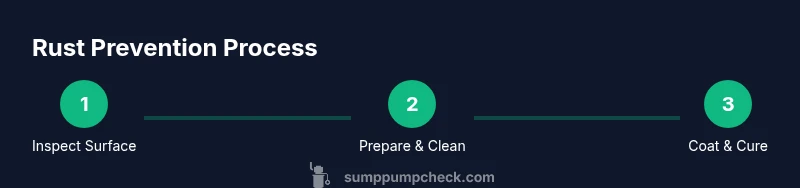
Unplug the sump pump and remove the cover. Visually inspect for obvious rust on the housing, screws, impeller, and seals. Note any pitting or creaking sounds during operation. This initial check informs how aggressive your treatment must be.
Tip: Wear gloves and safety goggles before touching any metal parts. - 2
Clean and prep the surface
Wipe away water and dirt with a cloth. Use a wire brush to remove loose rust and a degreaser to remove oils. Rinse and dry completely; moisture will undermine coatings if not fully dried.
Tip: Ensure the surface is completely dry before applying any coating. - 3
Apply rust converter
Coat minor rust with a rust converter according to the product directions. This chemically converts active rust to a stable layer that primes the surface for sealer.
Tip: Follow curing times exactly; premature coating can trap moisture. - 4
Prime the metal
Apply a rust-inhibiting primer to protect the metal and improve coating adhesion. Let it dry fully in a well-ventilated space.
Tip: Ensure ventilation; solvent vapors can be hazardous in enclosed pits. - 5
Coat with topcoat
Brush or roll on a durable epoxy or enamel topcoat designed for metal in damp environments. Apply a second coat if the first appears thin, and allow full cure before reassembly.
Tip: Avoid applying in very humid conditions to prevent bubbles. - 6
Seal joints and reassemble
Reinstall screws and seals using corrosion-resistant fasteners. Re-tighten pins where necessary and apply a light sealant to prevent moisture ingress.
Tip: Use stainless steel fasteners to minimize future rust risk. - 7
Test and dry cycle
Reconnect power and run a dry cycle to verify operation. Check for leaks and ensure there is no moisture pooling near the coating edges.
Tip: Let the unit run for a few minutes while you monitor for drips. - 8
Establish ongoing maintenance
Create a maintenance calendar: inspect monthly, recoat every few years, and address any moisture sources promptly. Small, consistent upkeep compounds into longer pump life.
Tip: Note any rust progression and address it quickly before it spreads.
FAQ
Can a rusty sump pump be saved, or does rust mean replacement?
Small areas of surface rust can often be treated and coated to extend life. If rust has penetrated deeply into structural parts or bearings, replacement may be necessary for safe operation.
Surface rust can sometimes be treated, but deep rust on critical parts may require replacement.
What coatings are safe for contact with standing water?
Choose coatings labeled for metal in damp environments and, if the pump may contact potable water, select products that are non-toxic and approved for such use.
Use metal-safe coatings that are approved for damp or water-contact environments.
How often should I inspect for rust?
Inspect for rust at least monthly during wet seasons and after heavy rain events. More frequent checks improve early detection and response.
Check monthly during wet seasons and after heavy rain.
Is rust coverage typically included in warranties?
Warranty coverage varies by manufacturer. Review your warranty terms; rust damage due to normal wear may not be covered. Contact support if uncertain.
Warranties vary; review terms, as rust coverage differs by brand.
Should I hire a professional for rust prevention?
If corrosion is widespread or affects critical components, a professional assessment ensures safety and proper coating application.
Consider a pro if rust is extensive or affects critical parts.
Can I prevent rust without coating if I keep the pit dry?
Drying the pit helps, but metal surfaces can still corrode if moisture or minerals are present. Combine dryness with coatings and regular checks for best results.
Dryness helps, but coatings and routine checks are still important.
Watch Video
Top Takeaways
- Inspect metal surfaces regularly for early rust signs
- Use a multi-layer coating approach for lasting protection
- Control moisture to significantly reduce corrosion risk
- Maintain a documented maintenance schedule
- Know when to upgrade components rather than patching rust