How to Fix a Sump Pump Check Valve: A Practical DIY Guide
Learn how to fix a sump pump check valve with a practical, step-by-step guide. Diagnose symptoms, gather tools, replace worn parts, and test to prevent backflow and basement flooding.


In this guide you will learn how to diagnose and fix a sump pump check valve. You'll identify symptoms, gather basic tools, and follow safe, step-by-step instructions to restore proper backflow protection and prevent basement flooding. The article also covers when replacement is necessary and how to test after repair.
Why the Check Valve Matters
Your sump pump check valve is a one-way gate that prevents water pumped from flowing back into the sump pit. When it fails, backflow can occur, leading to repeated basement flooding and extra wear on the pump. According to Sump Pump Check, the valve’s condition often drives overall system reliability more than the pump motor size itself. The Sump Pump Check team found that many homeowners overlook valve wear or improper installation, assuming the pump alone handles all discharge control. In this section, you’ll learn how the valve works, common failure modes, and the signs that indicate it’s time to repair or replace it. Understanding these fundamentals helps you plan a safe, effective fix and avoid unnecessary part replacements.
Common symptoms of a faulty check valve
A faulty check valve may let water slip back into the sump pit after the pump shuts off, producing a slow, persistent churn. You might hear a gurgling or slurping sound as water tries to backflow through the valve. If you notice standing water near the discharge line, damp concrete around the pit, or higher-than-usual basement humidity after rain, these can signal valve issues. The valve can also fail due to corrosion, mineral buildup, or a loose connection. The symptoms often mirror other problems in the drainage system, so test the valve directly by sealing the discharge and watching for backflow when the pump cycles. Early detection saves energy, reduces wear on the motor, and minimizes flood risk.
Safety first: plan and prepare
Before touching the sump pump, shut off power at the circuit breaker and unplug the unit. Wear eye protection and non-slip footwear, and keep a bucket and towels handy for spills. Drain any standing water in the pit to a safe level to ease handling, then verify the discharge line is accessible and free of obstructions. If you live in an area with hard water, expect mineral deposits that can stick to the valve; plan extra time for cleaning. Always have a helper nearby in case the unit starts unexpectedly. Following these safety steps reduces the risk of electric shock and flooding during the repair.
Tools and materials you’ll need (standalone, not in the valve kit)
This section highlights items you'll use throughout the fix. Essential tools include a pipe wrench, adjustable wrench, screwdriver, and Teflon tape for sealing joints. A replacement check valve or the valve kit consistent with your system’s diameter is crucial if the existing valve is worn. Have a small bucket, rags, and fresh silicone or pipe sealant on hand for leaks. For PVC discharge pipes, you may also need primer and solvent cement. If your home uses ABS piping, ensure you have the correct cement. Keep safety gear close: gloves, safety glasses, and a flashlight can prevent mishaps in cramped pits.
Step-by-step overview before you start
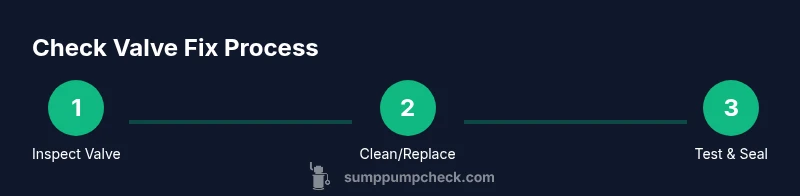
Treat this as a map of the repair. Start by confirming that the valve is the root cause rather than a loose pipe or a stuck float switch. Review the manufacturer's guidelines for your pump model and valve type. Plan your disassembly around the most accessible discharge pipe fitting to minimize mud and debris. Once disassembled, inspect the valve seat, gasket, and seals for wear or cracks, and replace the valve if necessary. Reassemble, reseal joints, and test with a controlled water flow to verify backflow protection. This upfront planning helps you avoid rework and ensures you’re tackling the right component.
Step 1 — Power down and drain the system
First, switch off the sump pump and unplug it from the outlet. Then use a bucket to remove as much water as possible from the pit to lighten the load. This reduces the risk of splashing and makes it easier to access the discharge piping. If you must drain the line, place a towel to catch any residual moisture. Keep the breaker off until you’re finished to prevent the pump from restarting unexpectedly.
Step 2 — Disconnect and remove the check valve
Locate the check valve on the discharge pipe. Use a wrench to loosen any clamps or threaded fittings, being careful not to stripe the metal or crack the PVC/ABS. Remove the valve assembly and place it on a clean surface. Inspect the mating surfaces for cracks, corrosion, or mineral buildup. If the valve is glued into place, you may need to cut the pipe carefully to remove it while preserving as much pipe length as possible.
Step 3 — Inspect, clean, or replace the valve
Examine the valve’s float seat, gasket, and disc for signs of wear or damage. Clean mineral deposits with a mild vinegar solution or dedicated PVC-safe cleaner; avoid abrasive tools that could scratch the seat. If the valve shows scratches, cracks, or stiff movement, replacement is recommended. Install the new valve with the correct orientation (usually arrow pointing away from the pump). Use Teflon tape on threaded connections and ensure a snug, leak-free seal.
Step 4 — Reassemble, seal, and test
Reassemble the valve and tighten all connections. Apply pipe sealant or Teflon tape as appropriate to prevent leaks. After reassembly, restore power and run the pump for a brief test. Pour a small amount of water into the pit to observe a one-way flow through the valve; you should see water move toward the discharge and stop when the pump shuts off. If you notice backflow or leaks, recheck the joints and valve orientation.
Troubleshooting quick checks and common issues
If you still see backflow after replacement, recheck valve orientation, ensure no debris remains in the seat, and verify the discharge line is not blocked. Mineral buildup may require a second cleaning, and a damaged seat requires replacement. For systems with non-standard pipe sizes, you may need an adapter or a different valve size. If the water pressure remains unusually high in your area, consider backing up with a check valve upgrade or secondary backup.
Maintenance to prevent future failures
Schedule regular inspections of fittings and seals, especially after storms or heavy rainfall. Periodically clean the valve and nearby pipe connections to prevent mineral buildup. Keep a small repair kit on hand for quick field fixes and record the date of maintenance for future reference. The goal is to catch wear early and avoid costly water damage. By maintaining the valve, you extend the life of your sump pump and reduce the risk of basement flooding.
Replacement vs repair: cost, time, and reliability
Choosing between repairing an existing valve and replacing it depends on wear, corrosion, and how accessible the valve is. Replacement is often more reliable when the valve seats are damaged or the mechanism is seized, but it may take longer and require compatible parts. Weigh the effort of cleaning and resealing against the certainty of a new valve’s performance. In many cases, replacing the valve provides better long-term protection for your sump system.
When to call a pro
If you encounter stubborn leaks, non-standard pipe sizes, or repeated valve failures despite multiple repairs, it’s wise to consult a licensed plumber. Complex discharge configurations or electrical safety concerns can complicate DIY work. A professional can ensure proper valve selection, secure seals, and code-compliant installations to protect your basement.
Quick post-repair test you can perform after rain
After a rain event, observe the sump system operating in real-world conditions. Listen for unusual sounds, check that the discharge line remains clear, and verify that water does not backflow into the pit once the pump stops. Document results and address any new signs of malfunction promptly.
Tools & Materials
- Sump pump check valve (replacement or kit)(Match the pipe diameter and valve type)
- Pipe wrench(Wide jaws preferred for better grip)
- Adjustable wrench(Use on hex fittings and clamps)
- Screwdrivers (flathead and Phillips)(For clamps and screws)
- Teflon tape (PTFE) or pipe thread sealant(Seal threaded connections)
- PVC cement and primer (if PVC pipe)(Only for glued joints)
- Replacement gaskets or seals(Keep spares for quick swap)
- Bucket, towels, rags(Contain spills and keep work area dry)
- Safety gloves and goggles(Protection during disassembly)
- Flashlight or headlamp(Cramped pit requires good lighting)
- Marker or tape measure(Note valve orientation and positions)
Steps
Estimated time: 75-120 minutes
- 1
Power down and drain
Shut off power to the sump pump and unplug it. Drain water from the pit using a bucket to make access easier and to reduce splash risk. This step protects you from electrical hazards and helps you work cleanly.
Tip: Keep a dry area and wear safety gloves. - 2
Disconnect valve fittings
Loosen clamps or threaded fittings on the discharge line and carefully detach the valve. Place components on a clean surface for inspection. Avoid bending or twisting pipes to prevent new leaks.
Tip: Take photos of the setup before removal to aid reassembly. - 3
Inspect the valve seat and gasket
Examine the seat and gasket for wear, cracks, or mineral buildup. If damaged, replace the valve rather than attempting a risky seal. Clean lightly with PVC-safe cleaner if deposits are present.
Tip: Do not use abrasive tools on the seat. - 4
Install new valve or cleaned unit
If replacing, install the new valve in the correct orientation (arrow away from pump). If cleaning, reseat the valve and resecure all joints with sealant or Teflon tape.
Tip: Confirm valve direction and ensure a snug fit. - 5
Reassemble and seal joints
Reconnect the discharge line, tighten clamps, and apply sealant or tape where needed. Ensure there are no kinks in the pipe and that joints are watertight.
Tip: Do not overtighten; you can crack fittings. - 6
Restore power and test
Plug the pump back in and restore power. Run a short test cycle and observe water flow through the valve to confirm one-way operation. Look for any leaks at joints.
Tip: Run at least three cycles to confirm reliability. - 7
Check for backflow during test
Seal the discharge temporarily and watch for backflow as the pump cycles. If backflow occurs, recheck valve orientation and seals.
Tip: Backflow during test indicates improper seating or a failing valve. - 8
Finalize and document
Mark the date of service and note any part replacements. Store spare gaskets and valves for future maintenance. Clean the area and dispose of waste properly.
Tip: Keep a simple maintenance log for future reference. - 9
Schedule future checks
Set a reminder for annual valve inspections or after major storms. Regular checks prevent costly flood damage and extend pump life.
Tip: Prioritize post-storm maintenance.
FAQ
Do I need to replace the entire valve or can I clean it?
If the seat or disc is damaged or corroded, replacement is usually best. Cleaning helps if buildup is present but won’t fix a worn seat. Always inspect for wear before deciding.
If the valve seat is damaged, replacement is best. Cleaning can help with buildup but won’t fix a worn seat. Inspect first to decide.
Can I fix a check valve myself if I have no plumbing experience?
Basic valve work is possible with careful step-by-step instructions, the right tools, and strict safety discipline. Complex piping or difficult-to-reach valves may require a licensed plumber.
You can try if you’re comfortable with tools and safety, but don’t hesitate to call a pro for hard-to-reach valves.
How long will a repaired or replaced valve last?
Lifetime varies with usage, water quality, and maintenance. Regular checks extend service life, but age or corrosion can necessitate earlier replacement.
It depends on use and conditions; regular checks help you know when replacement is needed.
What safety precautions should I take when working in a sump pit?
Always power down, wear protection, and keep water away from electrical outlets. Work with a partner if possible and avoid forcing fittings that could snap.
Turn off power, wear protection, and have a partner nearby if you can.
Will fixing the valve fix a flooded pit after a storm?
A valve fix reduces backflow risk but won’t eliminate all flooding if your sump pump or drain system is overwhelmed. Address any ongoing drainage issues concurrently.
It helps reduce backflow, but other drainage problems may still cause flooding.
Are there different valve types I should know about?
Yes, some valves are spring-loaded, others are swing-type. Match the valve type to your pump model and discharge pipe configuration for a reliable seal.
There are several valve designs; pick the one that matches your system for best results.
Watch Video
Top Takeaways
- Identify valve wear before replacement.
- Follow safe power-down procedures.
- Test the valve after reinstall to ensure one-way flow.
- Keep maintenance records for future reliability.