Ejector Pump Maintenance: A Homeowner's Step-by-Step Guide
Learn practical ejector pump maintenance with a detailed, homeowner-friendly guide. Inspect, clean, test the float switch, and plan routine checks to prevent basement flooding and odors.


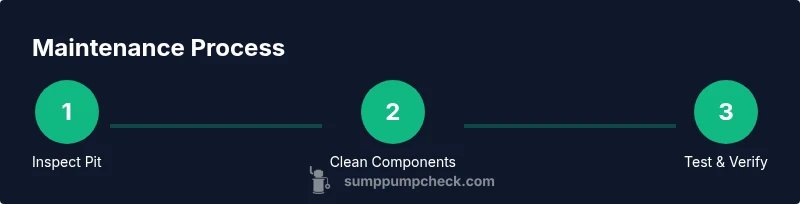
This guide helps you perform ejector pump maintenance to prevent basement flooding, odors, and failures. You’ll inspect the pit, clean accessible components, test the float switch and alarm, and set a simple maintenance schedule. Gather basic tools and safety gear before you begin, and work in dry conditions for best results.
What is an ejector pump and why maintenance matters
An ejector pump is a small wastewater pump located in a basement or crawl space that moves wastewater from bathrooms, laundry, and utility sinks into the main sewer line or septic system. Keeping it well maintained helps prevent sewer backups, basement flooding, and unpleasant odors. According to Sump Pump Check, routine ejector pump maintenance is essential to protect your home and reduce costly repairs. The maintenance scope isn’t glamorous, but it’s straightforward and requires only basic tools. Start by understanding the components: the basin or pit, the pump housing, the discharge pipe, the check valve, and the float switch. Periodic cleaning, component inspection, and functional testing keep the system responsive to wastewater demands and seasonal variations. Always follow safety practices, disconnect power before touching any electrical parts, and work in dry conditions whenever possible.
Common signs your ejector pump needs attention
Look for indicators that the ejector pump may require service: the pump runs continuously or cycles frequently, you hear gurgling or grinding noises, the discharge water level remains high in the pit after pumping, and there is a basement odor or slow drainage. A sticking float switch or alarm beeps are also red flags. These signs don’t guarantee a failure but suggest conditions that can lead to backups if ignored. Regular observation after storms or heavy use is especially important. Document these signs to help you communicate with a professional if needed, and check the discharge line for obstructions that could force the pump to work harder.
Scheduling routine maintenance: frequency and checklists
To keep an ejector pump performing reliably, set a maintenance cadence that fits your household. A practical plan is a quarterly quick-check plus a deeper inspection twice a year. The quick check should verify the pit is clean, the cover is secure, the float can move freely, and the alarm sounds during a simulated test. The in-depth visit should involve inspecting the pump housing, discharge piping, and electrical connections, plus replacing worn seals or gaskets as needed. Create a simple checklist and store it near the sump area so you or a future homeowner can follow it. If you have a battery backup, test that unit during each maintenance window and record the results.
Cleaning and inspecting components: tanks, check valves, and piping
During cleaning, remove any sediment, debris, or hair from the pit and pump housing using gloves and a damp cloth. Inspect the check valve for leaks or corrosion and replace if necessary; a faulty valve is a common cause of backflow and reduced efficiency. Examine discharge piping for cracks, rust, or loose connections, and ensure the pipe slopes downward away from the unit to prevent standing water. Check the venting (if applicable) and confirm there are no blockages. Keep the surrounding area dry and clearly labeled to avoid accidental contact with electrical components. A thorough cleaning extends the life of seals and reduces the chances of odors in the pit.
Testing the float switch and alarm: ensuring reliable operation
Test the float switch by slowly filling the pit with water or simulating wastewater levels to raise the float and trigger the pump. Confirm the pump activates promptly and cycles off when the water drops. If your system uses an audible or visual alarm, simulate a low-water condition to verify alerts work. If the float sticks or the alarm doesn’t trigger, note the symptoms and adjust or replace the switch or alarm unit. Regular testing helps ensure early warning of issues before a backup occurs.
Dealing with odors, sewage backups, and safety
Odors and backups are often linked to overlooked maintenance, cracked seals, or clogged discharge lines. Wear gloves and eye protection when handling any cleanup, and never enter a flooded pit with live electricity nearby. If a backup occurs, shut off the power and call a professional if the wastewater contains sewage or solids beyond your capacity. Always dispose of contaminated materials according to local regulations. Maintain a clean, dry workspace and keep a written log of maintenance actions for reference.
DIY vs professional service: when to call a pro
Many ejector pump tasks are suitable for DIY enthusiasts, including cleaning the pit, inspecting valves, and testing the float switch. Complex issues such as persistent pumps that never shut off, chronic backups, or damaged discharge piping often require licensed plumbing help. If you smell sewage, notice exhaust gases, or see visible cracks in the pump housing or piping, stop and contact a pro. A professional can assess electrical safety, perform deeper diagnostics, and replace critical components to prevent recurring failures.
Troubleshooting guide: quick fixes for typical issues
When the pump runs but water remains high, check for a blocked discharge line or a stuck float valve. Clear obstructions and test again. If you hear grinding noises, the impeller may be jammed; disconnect power, remove debris, and check for wear. If the alarm is silent, confirm the power source and test the backup. Inconsistent operation can indicate an aging pump or failing seals. Use these steps as a first pass before scheduling formal service.
Long-term planning: backups, upgrades, and seasonal reminders
Plan for longevity by considering a battery-backed sump pump or a secondary backup pump for heavy storm seasons. Keep spare parts like seals, gaskets, and check valves on hand. Maintain a digital log with dates of maintenance, replacements, and testing results. Prepare for seasonal changes by scheduling maintenance ahead of wet seasons and frozen months, when discharge lines can clog or freeze. A proactive approach reduces emergency calls and protects your home.
Tools & Materials
- Protective gloves (nitrile or latex)(At least size M; avoid latex if you have sensitivities)
- Safety glasses(Eye protection during cleaning and debris removal)
- Flashlight(Bright, handheld; helps inspect corners of the pit)
- Bucket(For rinsing tools and catching residual liquid)
- Screwdriver set(Flathead and Phillips; for access panels and clamps)
- Adjustable wrench(Useful for disassembling discharge fittings)
- Plumber's tape(Seal threaded fittings after replacements)
- Rags or paper towels(Cleanup and dry surfaces after cleaning)
- Mild detergent or cleaner(Gentle cleaning agents for plastic parts)
- Optional: shop vacuum(For removing fine sediment from the pit)
Steps
Estimated time: 60-90 minutes
- 1
Power down and locate the ejector pump
Switch off the circuit breaker that powers the ejector pump and unplug its power cord. Confirm there is no risk of electric shock before touching any components. Locate the pump, pit, and discharge line to plan your inspection.
Tip: Use a non-contact voltage tester to double-check power is off. - 2
Disconnect power and safely access the pit
Remove the pump access cover and clear any standing water if present. Place a bucket nearby to catch drips and ensure you have stable footing before reaching into the pit. Keep children and pets away from the workspace.
Tip: Take a quick photo of wire connections before disconnecting anything to aid reassembly. - 3
Inspect pump and pit for debris
Look for trapped hair, sediment, or food scraps around the impeller and in the base of the pit. Clear debris gently with a gloved hand or plastic tool. Note any corrosion or wear on seals and gaskets.
Tip: A thorough visual check helps prevent later clogging. - 4
Clean the pump housing and pit
Wipe the inside of the pit and pump housing with a mild detergent solution. Rinse with clean water and dry with a cloth. This reduces odor sources and helps seals last longer.
Tip: Avoid harsh solvents that could degrade plastics. - 5
Check the discharge line and valve
Inspect the discharge piping for cracks, corrosion, or loose connections. Confirm the check valve seals properly and replace if you detect leaks or wobble. Ensure the line slopes away from the unit.
Tip: Replace worn valve components to prevent backflow. - 6
Test the float switch
Pour water slowly into the pit to elevate the float and trigger the pump. The pump should start promptly and shut off when water level drops. If it doesn’t respond, test the switch and connections.
Tip: If the float sticks, gently reposition or replace the switch. - 7
Check electrical connections and GFCI
Inspect wires for signs of wear and confirm the GFCI breaker or outlet is functioning. Tighten loose connections and look for exposed conductors. Replace damaged components only if you have electrical experience.
Tip: Never work on electrical components with wet hands or a wet surface. - 8
Reassemble and run a final test
Secure the cover, reconnect power, and run the pump through a full cycle. Verify that the discharge line clears water, there are no leaks, and the alarm (if present) responds correctly.
Tip: Document test results in your maintenance log. - 9
Replace worn seals or gaskets as needed
If you notice cracking or degraded seals during inspection, replace them following manufacturer guidance. Seals preserve pressure and prevent leaks.
Tip: Do not reuse dried or cracked gaskets—replace with new parts. - 10
Schedule next maintenance and keep records
Note the date, actions taken, and any parts replaced. Schedule the next check in a calendar reminder or maintenance app to stay consistent.
Tip: Maintain a digital or physical log for quick future reference.
FAQ
What is an ejector pump and why maintenance matters?
An ejector pump moves wastewater from fixtures into the sewer or septic system. Regular maintenance helps prevent odors, leaks, and basement flooding by keeping the pump and discharge system clean and responsive.
An ejector pump pushes wastewater to the sewer. Regular checks stop odors and floods by keeping it clean and ready.
How often should I maintain the ejector pump?
Aim for a quick quarterly check and a more thorough inspection twice a year. Increase frequency during heavy rainfall or when the system sees heavy use.
Do a quick quarterly check and a deeper semi-annual inspection, more often if you have heavy use.
Can I clean the ejector pump myself?
Yes, many tasks like cleaning the pit and inspecting valves are doable for DIYers. Reserve professional help for electrical testing, leaks, or damaged components.
DIY tasks are fine for basics, but call a pro for electrical issues or damage.
What are common signs of failure?
Look for continuous operation, unusual noises, backups in the basement, or alarms that won’t stop. These indicate potential blockages, worn seals, or a failing pump.
Keep an eye out for constant running, strange noises, or backups.
Do I need a professional for a backup system?
Battery-backed backups and secondary pumps improve resilience, but installation and electrical integration may require a licensed plumber/electrician.
Backups help; a professional can ensure safe, compliant installation.
Watch Video
Top Takeaways
- Schedule regular ejector pump maintenance.
- Test the float switch and alarm monthly.
- Inspect and clean the pit and valve components.
- Address signs quickly to prevent backups.
- Document maintenance for ongoing reliability.