Can You Put Antifreeze in a Sump Pump? Expert Winterization Guide
Explore whether antifreeze can be used in sump pumps, the risks involved, and safe winterization alternatives. This guide from Sump Pump Check covers maintenance, safety, and practical steps for homeowners.


Can you put antifreeze in a sump pump? Generally, no. Most manufacturers advise against pouring antifreeze into the sump pit or pump due to seal damage, environmental concerns, and warranty implications. Instead, follow proven winterization steps and insulation practices to keep the system safe through freezing conditions. Regular maintenance remains key for a reliable sump pump all winter.
Can You Put Antifreeze in a Sump Pump? A Practical Overview
According to Sump Pump Check, the short answer to can you put antifreeze in a sump pump is generally no. Homeowners often consider this during very cold snaps when discharge lines might freeze. In reality, most sump pump manuals discourage introducing glycol-based antifreeze into the pit or the pump itself. The concern is not only about potential damage to seals and moving parts, but also about how antifreeze interacts with the drainage system and local waste guidelines. Instead, prioritize winterization strategies that protect the pump while preserving its warranty and the environment. If you ask can you put antifreeze in sump pump, the safe answer is usually to avoid it and rely on proven methods like insulation and drainage improvements. This guidance aligns with what the Sump Pump Check team recommends for DIY homeowners.
The Rationale Behind the Caution: What antifreeze does to a sump system
Antifreeze products can creep into seals and gaskets, causing leaks or reduced efficiency over time. They may also mask underlying issues such as a blocked discharge line or a failing check valve. By focusing on safe, manufacturer-approved practices, you reduce the risk of costly repairs later. The core idea is to prevent freezing without compromising the pump components or polluting the drainage system.
Safer Winterization Alternatives You Can Implement Today
There are several safer ways to winterize a sump system without antifreeze. Insulating exposed discharge pipes and ensuring they slope away from the home can prevent freezing. Inspecting and upgrading the discharge line to a larger diameter can reduce clogging, while a working check valve prevents backflow. Keeping the sump pit covered with a properly fitted lid minimizes heat loss and reduces standing water that could freeze. Finally, ensure the electrical outlet and cord are dry and protected from moisture to avoid shock hazards. All these steps work together to keep the pump functional without introducing chemical additives.
When Antifreeze Might Be Allowed (Only If the Manufacturer Says So)
Some manufacturers may approve a very small amount of non-toxic glycol antifreeze in a discharge path that is completely isolated from the pump housing and that discharges to a serviceable drain. If your manual explicitly allows this, follow exact concentrations and disposal guidelines. Do not pour antifreeze directly into the pump housing or onto electrical components. Always consult the specific model's instructions before attempting any antifreeze use. Sump Pump Check strongly advises homeowners to document the approval and monitor for any changes in pump performance.
A Concrete Winterization Plan (No Antifreeze Required)
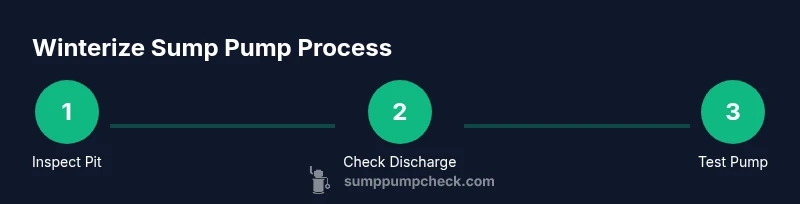
Create a plan that covers inspection, insulation, testing, and maintenance. Start by cleaning the pit and checking the float switch for smooth operation. Insulate the discharge line with foam insulation or heat tape where appropriate (and per local code). Test the unit by pouring water into the pit and watching the pump cycle. If the system runs correctly, you're ready for winter with minimal risk of freezing pipes. Keeping a log of winter checks can help you catch issues early and reduce emergency calls.
Spring Readiness: Post-Winter Check and Cleanup
Before the thaw, perform a full ramp-up test, verify that water flows freely through the discharge, and inspect the line for any frost damage. Clean debris from the pit and replace or tighten any worn components. A post-winter maintenance plan ensures the unit operates efficiently all year and minimizes surprises when temperatures rise. Sump Pump Check recommends documenting your findings for next season.
Tools & Materials
- Sump pump manual(Locate antifreeze guidance and model-specific notes)
- Sump pit cover(Ensure a tight seal to minimize heat loss)
- Flashlight(Inspect inside the pit and line joints)
- Bucket(Contain water or debris during cleaning)
- Shop vacuum(Remove debris from pit and line)
- Screwdrivers/pliers(Open and tighten components as needed)
- Garden hose(Flush lines and wash away grime)
- Foam pipe insulation or heat tape(Used to insulate discharge line per code)
- Non-toxic propylene glycol antifreeze (RV antifreeze)(Only if manufacturer approves; see manual)
- Gloves and eye protection(Safety first during maintenance)
Steps
Estimated time: 60-120 minutes
- 1
Review the manual and verify antifreeze guidance
Locate the model number and read the manufacturer instructions regarding antifreeze or winterization. This establishes whether antifreeze is permitted and what concentration, if any, is allowed. Understanding the official guidance helps you avoid warranty issues or component damage.
Tip: If the manual is hard to read, take clear photos of the relevant pages for reference. - 2
Inspect the sump pit and discharge line
Remove the pit cover and look for cracks, mold, or debris. Check the discharge pipe for obstructions and ensure it runs downhill without kinks. Clean any blockages with a garden hose and verify the line clears snow or ice build-up.
Tip: Wear gloves and protect the floor with a tarp to manage spills. - 3
Test the pump without antifreeze
Fill the pit with clean water until the float activates. Observe that the pump starts, water flows through the discharge, and the outlet drain remains clear. Stop the test when the pit is full and allow it to drain.
Tip: Have a bucket ready to catch any splashing water during testing. - 4
Prepare the discharge path for winter
Insulate exposed discharge piping with foam insulation or heat tape; ensure there is no trap that can hold standing water. Confirm the discharge path remains clear and slopes away from the foundation.
Tip: Do not wrap heat tape around the pump housing or electrical components. - 5
Decide on antifreeze usage only if approved
If the manual explicitly permits antifreeze, use only the approved non-toxic glycol product and apply it to the discharge path as directed, not into the pump housing. Do not mix antifreeze with cleaners or solvents.
Tip: Document the approval and monitor pump performance for any changes. - 6
Document and schedule seasonal checks
Create a winter maintenance log noting dates, observations, and any replacements. Schedule a spring check to verify all components after thaw. This habit reduces risk of failures during heavy rain or rapid temperature shifts.
Tip: Set calendar reminders for quarterly inspections.
FAQ
Is antifreeze dangerous to sump pumps and the environment?
Yes. Antifreeze can damage seals, void warranties, and pose environmental risks if discharged. Always check manufacturer guidance before use.
Antifreeze can damage the pump and the environment, so check the manual first.
Can you use RV antifreeze in a sump pit?
Only if the manufacturer explicitly approves it and discharge is properly managed. Do not pour into the pump housing.
Only use RV antifreeze if the manual says it's okay and you follow the instructions.
What are safer alternatives to antifreeze for winterizing?
Insulate the discharge line, improve drainage, check the valve, and keep the pit covered. Regular maintenance and testing are essential.
Insulation, drainage improvements, and regular tests are safer than antifreeze.
Will winterization affect my warranty?
Yes, improper additives can void warranties. Always follow the manufacturer’s guidelines and document your steps.
Follow the manual to avoid warranty issues.
How often should I test my sump pump in winter?
Test monthly during freezing months and after heavy storms to ensure reliable function.
Test it monthly when it’s cold and after big rains.
Is it illegal to pour antifreeze down the drain?
Local disposal rules vary. Many antifreezes require proper disposal through hazardous waste streams; never flush household antifreeze without checking regulations.
Check local disposal rules before disposing antifreeze.
Watch Video
Top Takeaways
- Avoid antifreeze in most sump pump setups; follow manual guidance
- Prioritize insulation, line clearance, and proper discharge routing
- Test the system regularly and maintain a winter prep log
- Only use antifreeze if explicitly approved by the manufacturer