Can You Put a Sump Pump Outside? Practical Guidance for Homeowners
Discover whether outdoor sump pump placement is advisable, the risks involved, and best practices for safe discharge, maintenance, and alternatives to protect your basement from flooding.


Can you put a sump pump outside? Generally, it’s not recommended. Sump pumps are designed to sit in a protected basement sump pit and discharge outdoors, but placing the pump itself outside exposes it to freezing, rain, and power-safety risks. If you must place outdoors, you’ll need weatherproof housing, reliable GFCI power, and a careful drainage plan.
Can you put a sump pump outside? The bottom line
If you’re evaluating options for water removal around your home, you may ask can you put a sump pump outside. The answer is not usually straightforward. According to Sump Pump Check, outdoor placement of the pump itself invites weather exposure that can damage components and complicate maintenance. In most homes, the sump pump belongs in a protected pit inside the basement or crawl space, where it can operate cleanly and be serviced easily. The discharge line, however, should move water away from the foundation to a graded area or a municipal storm drain, depending on local rules. This setup helps prevent basement flooding while keeping electrical connections dry and accessible. Homeowners should also consider how seasonal temperature swings affect performance, as cold weather can cause hoses to become brittle or ice to form at the discharge point. By planning ahead, you can minimize downtime during storms and reduce the risk of backup in extreme conditions.
Indoor vs outdoor placement: what to know
Most sump pumps are installed in a basement or crawl space to take advantage of a stable environment. Outdoor placement introduces a set of challenges: exposure to rain, snow, dirt, and potential physical damage from lawn equipment or foot traffic. The discharge path must be carefully planned to avoid directing water toward foundations, sidewalks, or footings where erosion or pooling could occur. If you encounter a property layout that seems to require outdoor pumping, consult local codes and a licensed plumber or sump pump technician for a compliant solution. Remember, the goal is reliable operation and easy maintenance, not merely moving water away from the pit.
Weather, freezing, and seasonal concerns
Freezing temperatures are a primary reason many homeowners avoid outdoor pumps. Water in hoses and clamps can freeze, causing blockages or hose ruptures. In addition, snowmelt can overwhelm outdoor equipment and create standing water around electrical components. If you live in a climate with cold winters, you should evaluate whether an indoor sump pit can handle the anticipated load or whether a heated enclosure is warranted. Sump pumps outdoors may also require a dedicated weatherproof power source and a secure, lockable cover to prevent damage or tampering. Consider also how ice and snow might impede access for service calls during a flood event.
Discharge routing and code compliance
The discharge line should terminate in a way that protects foundations and landscaping. It’s essential to prevent backflow into the pit and to avoid directing water toward sidewalks or neighboring properties. Check valve installation is recommended to prevent reverse flow. Electrical safety is critical: use a GFCI-protected outlet and weatherproof conduit. Many regions require permits or inspections for outdoor installations, and some codes prohibit exterior pump placement altogether unless specific protective measures are in place. Always verify with your municipality before proceeding.
Protective enclosures and weatherproofing when outdoors is considered
If outdoor placement is truly unavoidable, building a weatherproof housing or enclosure around the pump can provide protection from the elements. The enclosure should allow for ventilation, temperature regulation, and easy access for service. Use a drain or sump pit liner that resists corrosion, and install a sloped platform to keep the unit dry during rain. In colder climates, consider a drip loop and anti-freeze measures in the discharge line, plus frost protection for any exposed electrical connections. These steps reduce the risk of failure during a storm or the winter season.
Maintenance and seasonal reminders
Regular maintenance remains critical, whether your pump is indoor or outdoor. Inspect seals, hoses, and clamps for wear, test the float switch, and verify that the discharge line remains clear. Outdoor units may require more frequent protection checks because of exposure to debris and weather. Schedule seasonal inspections with a qualified tech and keep a weatherproof cover ready for winter. Maintaining a clear, debris-free discharge path protects your home’s basement from unexpected flooding and reduces long-term wear on the pump.
Practical alternatives to outdoor installation
If you’re unsure about outdoor placement, explore alternatives that protect your basement without exposing the pump to the elements. A properly sized indoor sump pit with an efficient discharge path is often the simplest solution. Consider a French drain or exterior drainage adjustments that direct groundwater away from the house. A battery backup system can provide resilience during power outages, and a water-powered backup may be used in some environments. The aim is to maintain continuous operation while minimizing exposure to weather, tampering, and freezing.
When outdoor placement might be justified (with caveats)
There are rare cases where an outdoor pump is justified, such as constrained interior space or specialized soil drainage layouts. In these situations, work with a licensed plumber to ensure the system is properly enclosed, vented, and protected. The person responsible must document compliance with local codes and maintain an ongoing maintenance plan. In all cases, outdoor placement adds complexity and risk; weigh these factors against interior solutions before committing.
Tools & Materials
- sump pump unit (submersible or pedestal)(Indoor use is standard; if outdoors, protect from elements with enclosure)
- weatherproof outdoor-rated power outlet with GFCI(Ensure proper installation by a licensed electrician and compliance with local codes)
- outdoor discharge hose or PVC piping with slope(Direct water away from foundations and keep slope continuous)
- check valve(Prevents backflow into the sump pit)
- weatherproof enclosure or secure pit cover(Optional; provides protection if outdoor placement is used)
- drainage pit liner or basin(Durable material that resists decay and allows for easy cleaning)
Steps
Estimated time: 60-120 minutes
- 1
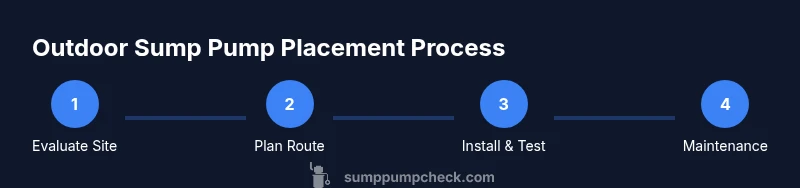
Evaluate local codes and site feasibility
Check with your municipality about outdoor sump pump installations and whether permits are required. Assess whether an indoor sump pit is feasible given your basement layout, and determine if outdoor placement would truly address drainage concerns.
Tip: Consult a licensed plumber or building inspector early to avoid code violations. - 2
Plan the discharge route
Map a clear path from the pump to a suitable drainage area. Avoid directing flow toward foundations, walkways, or neighboring properties. Ensure the path has a continuous slope and is free of blocks that could clog the line.
Tip: Install a check valve to prevent backflow if the line runs uphill or around corners. - 3
Decide on indoor vs outdoor enclosure
If you proceed with an outdoor setup, select a weatherproof enclosure that allows air circulation and easy access for service. Ensure the unit is elevated to prevent rainwater contact and that electrical connections stay dry.
Tip: Use a humidity/ice shield and consider a heat source in extreme cold temperatures. - 4
Install safely and test
Wire the pump to a GFCI-protected outlet, secure the discharge line, and install protective covers. Run the pump and observe water flow, check for leaks, and confirm there is no backflow. Verify that float switch activates correctly.
Tip: Keep backup power options in place and test the system monthly during heavy rain season. - 5
Ongoing maintenance
Inspect seals, hoses, and clamps regularly. Remove debris from the pit and discharge path. Schedule seasonal checks with a professional to ensure continued reliability.
Tip: Maintain clear access for service and test the system after freezing weather ends.
FAQ
Is it legal to install a sump pump outdoors in most areas?
Legal requirements vary by location. Some areas require permits and specific protections for outdoor installations, while others may restrict outdoor pump components. Always check with your local building department before proceeding.
Local rules vary; verify permits and protections with your city or county before you install an outdoor sump pump.
Can I discharge sump water onto the yard or street?
Discharge should move water away from the foundation and into an appropriate drainage area. Avoid discharging onto sidewalks or nearby homes. Use a check valve and slope the line away from structures.
Direct water away from foundations and keep the discharge path clear of pedestrians and neighbors.
What temperatures are safe for outdoor sump pumps?
Outdoor pumps are not designed for freezing conditions. In cold climates, protect the equipment with an enclosure and consider shutting down during extreme freezes if it’s not essential.
Outdoor units face freezing risks; protect with an enclosure and monitor seasonal temperatures.
Should I use a check valve with an outdoor sump pump?
Yes. A check valve prevents backflow into the pump and pit, reducing the risk of re-water entering the basement when the pump stops.
Install a check valve to stop backflow and protect the system.
What maintenance is needed if the pump is outdoors?
Outdoor systems require more frequent inspection for debris, seals, and water path blockages. Regular testing and seasonal service checks are advised.
Expect more frequent checks for debris and weather-related wear.
Are there better alternatives to outdoor installation?
Often an indoor sump pit with proper discharge, drainage improvements around the foundation, or a backup system is a safer, more reliable option.
Indoor pits and improved drainage often beat outdoor setups.
Watch Video
Top Takeaways
- Check local codes before any outdoor installation
- Indoor sump pits are generally preferred for reliability
- A proper discharge path is essential to protect foundations
- Weatherproofing and safety limits outdoor use
- Consider indoor alternatives or backups for resilience