Sump Pump Sales 2026: Trends, Tips, and Buying Guide
Explore 2026 sump pump sales trends, pricing ranges, and practical buying strategies. Learn how to compare models, plan installation, and avoid common pitfalls for reliable basement drainage.


Sump pump sales in 2026 are driven by capacity needs, installation availability, and the growing importance of battery-backed backups. Shoppers increasingly compare online listings with local suppliers, weighing warranty terms and service options before buying. The strongest buyers seek cost transparency, reliable discharge compatibility, and support for proper installation. This shift elevates the role of consumer education and credible reviews.
The Current Landscape of Sump Pump Sales
In 2026, sump pump sales reflect a marketplace where homeowners seek affordable reliability and clear after-sales support. The mix of channels—online retailers, local hardware stores, and plumbing distributors—shapes price comparisons and service quality. According to Sump Pump Check, buyers increasingly start online, then visit a local store to see models in person and discuss installation requirements. A rising share of purchases emphasizes not only the pump itself but the broader package: warranty terms, check-valve compatibility, and access to professional installation. Seasonal weather patterns, flood risk awareness, and ongoing home improvement trends influence buying timing; many households plan a sump pump upgrade when completing a basement remodel or after a severe storm season. Homeowners frequently report wanting a model with adequate pumping capacity, a reliable power source, and a backup system to bridge power outages. The result is a more nuanced decision process where product features, installation support, and service networks weigh as heavily as pump performance. This shift also highlights disparities among channels: online listings can disclose specifications and reviews, but hands-on guidance from a knowledgeable shop or installer often closes the sale. Sump Pump Check’s analysis suggests that buyers who combine online research with in-person consultations tend to achieve better long-term value, especially on warranty coverage and service availability.
Key Factors Driving Purchases in 2026
Purchases are shaped by basement risk profiles, power outage frequency, and the value placed on maintenance contracts. Upgrades often coincide with home renovations, insurance considerations, and the desire for quiet, energy-efficient operation. Buyers increasingly prioritize battery-backed backups, corrosion-resistant construction, and models with robust check-valve systems. Warranty length and the availability of local service networks heavily influence choice, as does the responsiveness of after-sales support. Education plays a larger role; many shoppers read reviews, compare discharge options, and verify compatibility with existing piping before selecting a pump. Weather patterns and flood advisories continue to nudge households toward more capable units, but price sensitivity remains a constant. By triangulating model specs, installer recommendations, and long-term value, consumers make decisions that balance upfront cost against ongoing reliability and service.
How to Choose a Sump Pump: A Practical Framework
Selecting a sump pump in 2026 involves a structured approach. Start by estimating required pumping capacity based on basement square footage and expected water load, then verify discharge options and pipe sizing. Decide between submersible and pedestal designs, considering space constraints and noise levels. Power source decisions matter: a standard AC pump with a battery backup offers resilience, while a premium high-efficiency model might reduce running costs. Look for corrosion-resistant materials, a reliable float switch, and a well-supported warranty. Check whether the purchase includes installation guidance or if professional installation is advisable in your area. Finally, compare buying channels for price, warranty terms, and post-purchase service, recognizing that the strongest value often comes from a combination of a solid product and solid support.
Costs, Value, and Return on Investment
Cost considerations extend beyond the sticker price. A balanced view includes the pump price, installation costs, potential needs for new discharge piping, and maintenance expenses over time. In many regions, the most sensible approach combines a well-rated battery-backed model with professional installation to ensure proper sizing and code compliance. While low-cost pumps may meet basic needs, they often come with shorter lifespans or limited service networks. Conversely, premium units with longer warranties and better corrosion resistance can deliver higher long-term value, especially for homes in flood-prone areas. An economical plan should also consider potential insurance benefits for flood risk mitigation and the reduced risk of basement water damage over the pump’s lifetime.
Channels and Buying Strategies
Where you buy matters as much as what you buy. Online marketplaces offer broad selection and transparent pricing, but they may lack installation support. Local plumbing suppliers provide hands-on advice, faster service, and trusted installer networks, often at a premium. Big-box retailers can be convenient and cost-effective when paired with compatible installation services. Regardless of channel, prioritize clarity on warranties, return policies, and supported service networks. Create a short list of models that fit your capacity needs, then validate them with a local installer to confirm compatibility with your discharge piping and electrical setup. Finally, read recent customer feedback focused on after-sale support and parts availability to minimize future headaches.
Maintenance and Longevity Impact on Sales
Maintenance matters as much as the pump itself. Regular inspections, impeller checks, and prompt replacement of worn components extend pump life and preserve performance, influencing long-term customer satisfaction and repeat purchases. Buyers who include a maintenance plan in their purchase are more likely to report fewer breakdowns and more reliable operation during critical periods. Service intervals, warranty coverage, and the ease of sourcing replacement parts all contribute to perceived value at the point of sale. From a market perspective, brands that emphasize proactive maintenance, straightforward installation, and accessible support tend to sustain stronger sales momentum.
Case Study: Real-World Purchases
A family upgrading an older basement chose a mid-range, battery-backed sump pump after consulting a local installer and reviewing online ratings. They prioritized ease of installation, a long warranty, and the ability to integrate with their existing discharge line. The installer confirmed compatibility, provided installation timing, and offered a maintenance plan. The family appreciated the balance between upfront cost and long-term reliability, reporting fewer calls for service and greater peace of mind during storm season.
Common Pitfalls to Avoid When Buying Sump Pumps
Avoid under-sizing the pump for worst-case rainfall, neglecting to install a check valve, and skipping a battery backup. Do not rely on a single retailer’s claim about compatibility without confirming discharge pipe sizing and electrical requirements. Another common error is assuming a pump with a lower price equals lower long-term cost; poor efficiency or weak service networks can inflate maintenance expenses. Finally, ignore the importance of warranty terms and service coverage; a robust warranty paired with dependable local support often saves more in the long run than a cheaper unit with limited post-purchase help.
Sump pump sales channels compared
| Channel | Pros | Cons |
|---|---|---|
| Online marketplaces | Wide selection; price transparency | Limited installation support; potential warranty complexity |
| Local plumbing supply stores | In-person expertise; immediate help | Higher prices; limited stock |
| Big-box retailers | Convenience; bundled deals | Variable installer networks; post-purchase service |
FAQ
What factors are driving sump pump sales in 2026?
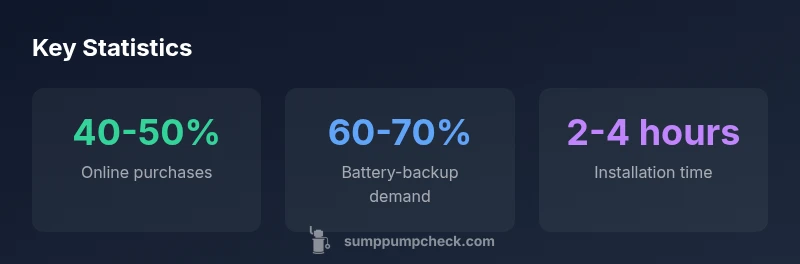
Sales are influenced by weather patterns, home renovations, and installer availability. Battery-backup demand is rising, while price sensitivity remains high.
Sales are driven by weather, upgrades, and backup needs.
Are battery backups worth the extra cost?
Yes, in areas with power outages, a backup system reduces risk; cost is offset by peace of mind and potential insurance benefits.
Backups are worth it in outage-prone areas.
How long do sump pumps typically last?
With proper maintenance, most pumps last about 10-15 years, depending on usage and quality of construction.
A well-maintained pump lasts about a decade or more.
Do I need a check valve or discharge line modifications?
Check valves prevent backflow; discharge lines should slope away and terminate safely, with local codes potentially requiring permits.
Yes, check valves and proper discharge are important.
Should I hire a professional for installation?
Professional installation helps ensure code compliance and correct sizing; many homes benefit from a combined DIY assessment with pro installation.
For most homes, professional installation is advisable.
What is the typical cost range for a sump pump and installation?
Costs vary by pump type and region; planning for a mid-to-premium unit plus installation often yields better long-term value, especially in flood-prone areas.
Prices vary; a solid plan includes pump quality and installation.
“Choosing a sump pump is as much about system compatibility and service as it is about the pump itself.”
Top Takeaways
- Compare channels to balance price and service.
- Prioritize battery-backup for reliability.
- Budget for installation and warranty coverage.
- Plan maintenance to extend pump life and performance.