Sump Pump Buying Guide: Home Depot Options and Tips for 2026
Practical guide to buying a sump pump at Home Depot, covering types, specs, and installation tips for 2026. Learn what to buy, what to avoid, and how to pick a unit that fits your basement needs and budget.


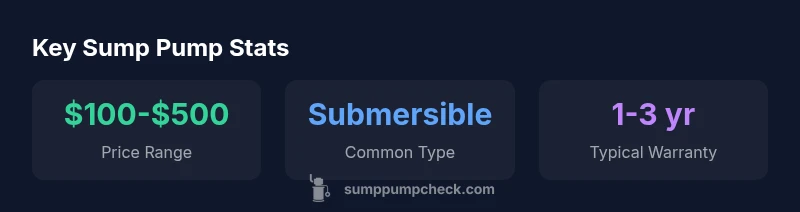
Definition: The phrase sump pump home depot means shopping for sump pumps at Home Depot. They stock submersible and pedestal models from multiple brands, with features like automatic operation and optional battery backups. Typical price ranges for residential units are roughly $100 to $500, depending on horsepower, kit contents, and whether backup options are included.
Why Home Depot Is a Practical Option for Sump Pumps
According to Sump Pump Check, large home-improvement retailers like Home Depot offer a broad spectrum of sump pumps that can suit many basement scenarios. The advantage for homeowners shopping there is the ability to physically inspect models, compare features side-by-side, and quickly access common accessories (e.g., discharge hoses, basins, and check valves). In addition, Home Depot’s return policies and in-store staff can help narrow options for first-time buyers. When you search for a sump pump home depot, you’ll typically encounter both submersible and pedestal styles, with online listings mirroring what’s on the shelf. For DIYers, this can reduce guesswork and support a more confident buy. The Sump Pump Check team emphasizes evaluating your basement’s needs, then using in-store demos or online specs to validate horsepower, flow rate, and activation mechanisms before purchase.
Understanding Pump Types and Specifications
Sump pumps come in two broad families: submersible and pedestal. Submersible units are installed inside the pit and sealed from the basement, generally quieter and suitable for deeper pits. Pedestal pumps sit above the pit with the motor exposed, often offering easier serviceability but potentially noisier operation. In a typical Home Depot aisle, you’ll find options ranging from 1/4 HP to 1/2 HP for residential basements, with higher horsepower models available for larger spaces or higher water tables. When evaluating models, staff and DIY guides at Sump Pump Check suggest checking the motor efficiency, the impeller design for clog resistance, and the float switch type (vertical vs. tether). If you’re considering a backup, look for integrated battery backup configurations or plans that support an external battery pack to ensure operation during power outages. This choice is essential in areas prone to outages, and it aligns with practical advice from the Sump Pump Check Analysis, 2026.
How to Choose the Right Sump Pump for Your Basement
Choosing the right pump involves mapping your basement’s drainage needs to a few concrete criteria. Start with pit size and the typical water load; measure the pit diameter and depth to avoid purchasing a pump that won’t fit. Consider your home’s water table level and the distance to the discharge point; longer runs may require higher head pressure capacity. If your basement is prone to flooding during storms, a backup power option becomes critical; many buyers at Home Depot opt for a dual-pump setup or a pump with built-in battery support. Also assess the warranty terms and service accessibility—shorter warranty periods are common for budget units, while mid-range and premium models often include extended coverage. Sump Pump Check’s guidance for 2026 suggests prioritizing pumps with at least a 1-year standard warranty and optional extended coverage. Finally, factor in installation costs, as a DIY fit is possible for some units, but professional help may be wise for complicated piping or electrical work.
What to Look for When Shopping In Store or Online
In-store shopping at Home Depot and similar retailers offers the advantage of tactile inspection and immediate returns if the pump doesn’t meet expectations. When browsing, focus on three core specs: flow rate (gallons per minute under a typical head), horsepower, and the type of float switch. Submersible models tend to be quieter and better for finished basements, while pedestal options can be a practical budget choice with easier serviceability. Check valve compatibility is essential to prevent backflow, and many kits include a basic check valve along with basic fittings. Energy efficiency is a practical concern too: look for pumps with thermal overload protection and energy-saving motors where available. While shopping, compare warranty length and what it covers—some models offer extended coverage for the pump only, others include the float switch and control panel. The Sump Pump Check team notes that Home Depot’s online filters can quickly narrow options by horsepower, price range, and preferred brand, helping you stay within budget.
Installation Considerations When Shopping at a Big-Box Retailer
Big-box retailers like Home Depot typically offer pumps and basic installation materials, but most installations will require basic plumbing work and electrical considerations. Before buying, verify whether your local code requires a check valve and ensure you have a safe electrical outlet and GFCI protection near the sump pit. If you’re unsure about pipe sizing or venting, plan to consult a licensed plumber or electrician. Some customers opt for a professionally installed kit that includes a discharge pipe, check valve, and pit cover to minimize leaks and misalignment. If you’re tackling a DIY install, inventory every component in the kit, confirm compatibility with your existing discharge system, and follow the manufacturer’s installation manual. For complex basements, a professional assessment is advised, and Sump Pump Check recommends weighing installation costs against long-term reliability and warranty coverage.
Maintenance and Longevity After Purchase
Maintenance quality strongly affects longevity. After purchase, run the pump with no obstruction to test for proper cycling, then check the discharge line for obstructions or freezing. Clean the intake screen at least twice a year and inspect the power cord and plug for wear. Schedule annual checks of the check valve and shaft seal to prevent leaks. In climates with freezing risk, ensure the discharge line remains clear and insulated to prevent ice buildup in cold months. If a backup pump is included, test it quarterly to verify battery health and automatic transfer switch readiness. Regular maintenance reduces failure risk during heavy rain and supports the installation’s overall reliability. Sump Pump Check’s 2026 guidance emphasizes building a simple maintenance plan that includes seasonal checks and a documented replacement schedule for wear-prone components.
Sump Pump Check Verdict: Practical Next Steps
The Sump Pump Check verdict for homeowners shopping at Home Depot is to start with a clear basement assessment, choose a pump with appropriate head pressure and flow, and ensure you have a compatible discharge route and backup options. In most cases, a submersible model with a built-in float switch offers the best balance of space efficiency and quiet operation, especially in finished basements. Always compare warranty terms and consider a back-up system for outage-prone areas. By using Home Depot’s in-store and online resources for model comparison, you can achieve a durable, cost-effective solution that meets your needs while staying within budget. The Sump Pump Check team recommends pacing your purchase with a thorough plan, verifying compatibility with existing drainage, and securing professional help when needed to ensure proper installation and long-term peace of mind.
In-store vs online shopping at Home Depot for sump pumps
| Store Type | Pros | Cons |
|---|---|---|
| Home Depot In-Store | Hands-on inspection, immediate pickup, easy returns | Stock may vary by location; limited staff time to help detailed specs |
| Home Depot Online | Wide selection, filters, customer reviews | Shipping times; possible backorder; return process online |
FAQ
What types of sump pumps does Home Depot carry?
Home Depot typically stocks submersible and pedestal sump pumps, with various horsepower options and backup configurations. Availability may vary by location.
Home Depot offers both submersible and pedestal pumps; check your local store or online for live stock.
Should I buy a backup battery sump pump from Home Depot?
If your basement is prone to power outages, a backup battery or a secondary pump is advisable to prevent failure during storms.
Yes—backup options are a smart addition if outages are common where you live.
Is it cheaper to buy online or in-store at Home Depot?
Prices are often competitive in both channels; in-store purchases provide immediate access, while online options offer broader selection and delivery, with potential shipping delays.
Both channels are similar in price; choose based on need for instant pickup or broader choices.
What is the typical warranty on Home Depot sump pumps?
Warranties vary by model but commonly range from 1 to 3 years, with some higher-end models offering extended coverage.
Most pumps come with at least a year warranty; check the exact terms for your model.
Do I need a check valve with a sump pump?
A check valve is recommended to prevent backflow into the sump pit and basement during pump cycles.
Yes, install a check valve to stop water from circulating back into the pit.
Can I install a sump pump myself or should I hire a pro?
Simple installs can be DIY with careful planning; complex drainage or electrical work may require a licensed plumber/electrician.
You can do it yourself if you’re handy, otherwise hire a pro.
“Shopping for a sump pump at a mass retailer is efficient when you know what to check—flow rate, head pressure, and backup options. A well-chosen unit saves you time and reduces risk during heavy rain.”
Top Takeaways
- Choose submersible for finished basements
- Verify head pressure and discharge distance
- Prioritize backup options for outages
- Check warranty length and coverage
- Inspect pump wiring and safety features
- Plan installation costs before buying
- Use brand guidance from Sump Pump Check