Sump Pump Basin Installation: A Practical Guide for Homeowners
A practical, step-by-step guide to installing a sump pump basin. Plan space, tools, and piping; assemble, connect, and test your basement drainage system with safety and code compliance in mind.


Goal: install a sump pump basin correctly to protect your basement from flooding. You’ll plan location, size the basin, select a compatible pump, wire and connect the discharge piping with a check valve, and test the system for leaks and proper cycling. This guide emphasizes safety and code-compliant practices.
What is a sump pump basin and why install one?
A sump pump basin is a recessed container installed in your basement floor to collect groundwater and channel it to a pump. The sump pump sits inside the basin and powers water out through a discharge line when the float switch detects rising water. For many homes, a properly selected sump pump basin installation is a core part of basement waterproofing and flood prevention. The basin should be sized to match the pump and anticipated water load, and installed with a watertight seal to prevent vapor intrusion. The overarching goal is reliability, minimal maintenance, and long-term protection against basement flooding. In this guide, we cover planning, materials, and step-by-step actions to help you complete the project confidently, with safety and code considerations front and center.
Planning your basin location and size
The first decision is where to place the sump basin. A central area in the basement that stays dry most of the year is ideal, but accessibility for maintenance matters too. Consider existing drainage lines, the distance to an exterior wall for discharge piping, and the height of the finished floor. Sump basins come in various diameters and depths; a larger basin reduces the risk of overfilling during heavy rain, but it may require more basement clearance and a deeper pit. When choosing size, pair the basin with the pump’s horsepower and expected water volume. As you plan, remember that a well-executed sump pump basin installation minimizes future repairs and supports consistent basement drainage. According to Sump Pump Check Analysis, 2026, proper basin sizing and placement are critical to performance and uptime.
Selecting a basin and pump pairing
A compatible pairing is essential for reliable operation. Look for a basin rated for the pump’s horsepower and flow rate, and verify the basin has a properly sealed lid to deter debris and odors. Choose a submersible or pedestal pump based on space and noise considerations, ensuring the float switch activation point aligns with your expected water level. Matching a basin to a capable pump reduces clogging and cycling issues. Always check the manufacturer guidance for installation criteria and confirm that the discharge outlet matches your existing plumbing or planned piping. The goal is a balanced system that starts smoothly, discharges efficiently, and minimizes operator effort over time.
Safety, permits and electrical considerations
Before any installation work, turn off power to the basement area and confirm there is no live electrical fault near the sump pit. Electrical work typically requires a grounded outlet dedicated to the sump pump, ideally GFCI-protected in damp spaces. Permits for sump pump installation vary by locality, so check with your city or county building department. Follow local codes for wiring, venting (if required), and trap requirements. Wear PPE, avoid shortcuts, and ensure the pit is clear of obstructions. A cautious approach reduces the risk of shock or fire and improves the overall reliability of your sump pump basin installation.
Tools, materials, and safety considerations
Here’s what you’ll need for a typical installation: a basin with lid, a compatible pump, discharge piping with fittings, a check valve, primer and cement for PVC, tape, a pipe cutter, pliers, safety gear (gloves and eye protection), and a level. The job benefits from a dry, clean work area and a helper for handling heavy components. Safety also means planning for electrical shutoff and verifying that any nearby fixtures remain undisturbed. Keep a bucket and rags handy to manage spills and a flashlight for dimly lit basements. A well-prepared toolkit reduces installation time and keeps the work neat.
Step-by-step overview (high-level) to complement the detailed steps below
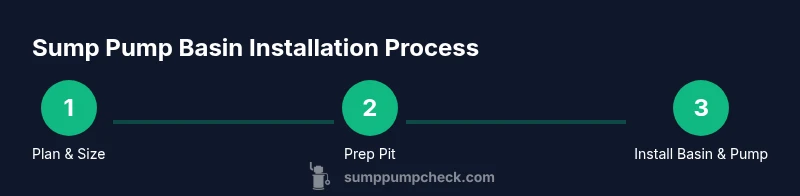
This section provides a quick snapshot of the major actions involved in a sump pump basin installation. You’ll verify power is off, remove any existing pump or basin, prepare the pit opening, dry-fit the new basin and pump, secure the discharge piping with a check valve, seal joints, and perform a full-system test with water and power on. The steps are designed to be followed in sequence to prevent backflow, leaks, or electrical hazards, ensuring a successful sump pump basin installation.
Installing the basin in your pit: practical guidance
Set the basin into the prepared pit, ensuring the rim sits flush with the surrounding floor and the unit is level. If the pit walls are uneven, consider shimming the basin base with approved spacers or adjusting the pit to achieve a stable, level installation. Once seated, secure the basin according to the manufacturer’s guidelines, ensuring no movement. Check that the discharge outlet aligns with the planned piping path and that there is enough clearance for the pump to operate without contact with the pit walls. Proper seating prevents leaks and future vibrations.
Wiring, discharge piping, and backflow prevention
Route the discharge pipe to the exterior or to the house drain as required by code, using the correct pipe size and fittings. Install a check valve to prevent backflow when the pump stops. Use solvent cement for PVC piping and ensure all joints are clean and dry before assembly. Slope the discharge line slightly away from the foundation to avoid pooling near the wall. Seal penetrations through the wall or floor with appropriate sealant to prevent moisture intrusion.
Testing, priming, and cycle checks
With the system connected but not yet fully energized, fill the basin with a few inches of water to prime the pump and check for leaks. Restore power and observe the float switch as water rises to trigger the pump. Listen for abnormal noises and watch for improper cycling. If the pump runs continuously or fails to start, stop the system, re-check connections, and consult the manufacturer guidelines. A thorough test confirms a successful sump pump basin installation and long-term reliability.
Maintenance and common failure signs
Regular maintenance extends the life of your sump pump basin installation. Periodically remove and inspect the pump, clean the basin, and test the float switch. Replace worn seals, check valves, or cracked piping promptly. Signs of failure include frequent cycling, unusual noises, leaks around the basin, or a pump that runs without turning on. An annual professional check is beneficial in homes with high groundwater or complex plumbing.
What to do during a basement flood event
During a flood event, ensure safety first: power off, evacuate if required, and avoid standing water near electrical outlets. If the pump is running, monitor discharge to confirm water is exiting the area and not backing up into the pit. After the event, inspect the basin and piping for damage, clear blockages, and restart the system. A well-maintained sump pump basin installation can significantly reduce flood damage and dry-out time.
Troubleshooting and signs of failure
Common issues include clogs in the discharge line, a failed check valve, a stuck float switch, or an undersized pump for the water load. Start troubleshooting by physically inspecting the basin, confirming power supply, and testing the discharge path. If necessary, consult the pump’s manual or a licensed plumber. Addressing issues early helps prevent a full system failure and protects the home from future water intrusion.
Tools & Materials
- Sump basin with lid(Rigid plastic or composite basin rated for your pump size)
- Sump pump (submersible or pedestal)(Match horsepower and flow to expected load)
- Discharge piping (PVC, 1-1/2(Length to exterior with proper slope)
- Check valve(Prevents backflow when pump stops)
- PVC primer and cement or appropriate solvent weld(For PVC piping joints)
- Teflon tape(Seal threaded connections)
- Pipe cutter or handsaw(Cuts PVC cleanly)
- Gloves and eye protection(Personal protective equipment)
- Level and measuring tape(Ensure basin sits level in pit)
- Shovel, broom, and towels(Site prep and cleanup)
Steps
Estimated time: 2-4 hours
- 1
Turn off power and drain area
Power down the circuit feeding the sump pump at the breaker. Verify with a tester that no power is reaching the outlet. Drain any standing water and remove debris from the pit to prepare for installation.
Tip: Label the circuit for future maintenance to prevent accidental re-energizing. - 2
Remove old pump/basin if present
Carefully disconnect old pump and lift it out. Inspect the pit walls for cracks or damage and clean the surface. If the old basin is cracked or degraded, replace with a new unit.
Tip: Take photos of old setup to guide the new installation path. - 3
Dry-fit the new basin and pump
Place the new basin into the pit to confirm fit and clearance. Check the alignment of the discharge outlet with your planned piping route. Ensure the pump can sit inside with enough room to operate.
Tip: Use shims if the pit floor is uneven to keep the basin level. - 4
Install the pump and connect the discharge line
Set the pump inside the basin and attach the discharge hose or pipe. Attach the check valve in the correct orientation, ensuring a clean seal with the piping.
Tip: Dry-fit first to avoid forcing connections; tighten only until snug to prevent cracking. - 5
Seal joints and secure piping
Apply primer and solvent cement to PVC joints or use appropriate fittings for metal pipes. Seal all penetrations through walls or floors with a suitable sealant. Ensure the piping has a gradual slope away from the foundation.
Tip: Check for any leaks by running water into the basin before finalizing seals. - 6
Test the system (prime and run)
Fill the basin with water to prime the pump, then restore power and observe cycling. Confirm the float switch triggers correctly and the discharge line expels water outside. Listen for unusual noises or vibrations.
Tip: Keep a hands-off approach during initial startup to avoid accidental contact with moving parts. - 7
Finalize enclosure and safety checks
Reinstall any basin lid and ensure the area around the pit is clean and dry. Verify the power cord is protected and routed away from water sources. Confirm local code compliance for wiring and drainage.
Tip: Install a battery backup system if you have frequent power outages or a high groundwater area. - 8
Document and monitor after installation
Record model numbers, serials, and setup details for future maintenance. Schedule periodic checks and tests, especially after heavy rain events.
Tip: Set a reminder for annual maintenance and a quarterly quick test.
FAQ
What is a sump pump basin and why do I need one?
A sump pump basin is a recessed container installed in the basement floor to collect groundwater and discharge it via a pump. It reduces flood risk and helps keep living spaces dry by actively removing water that accumulates at the lowest level of the home.
A sump pump basin is a recessed container in the basement that collects water and works with a pump to remove it, reducing flood risk.
Do I need a permit for installing a sump pump basin?
Permit requirements vary by locality. Check with your city or county building department before starting. Even without a permit, following code guidelines is essential for safety and long-term reliability.
Permit rules depend on your area; verify with local authorities before you begin.
What size basin should I choose?
Select a basin that matches your pump’s horsepower and the anticipated water load. A larger basin reduces the risk of overflows but requires more space and may affect installation height.
Choose a basin that fits your pump and water flow; bigger basins handle more water but need more space.
Can I install a sump pump basin myself?
Yes, a skilled homeowner can install a basin with basic plumbing and electrical safety. Follow manufacturer instructions, local codes, and safety practices. If in doubt, consult a licensed plumber.
You can install it yourself if you’re comfortable with plumbing and wiring, but don’t hesitate to get help if unsure.
What maintenance is required after installation?
Regular testing, cleaning, and inspection of seals, valves, and discharge piping help prevent failures. Schedule annual checks and keep an eye on unusual noises or leaks.
Test and clean your sump pump regularly and inspect for leaks or worn parts.
What signs indicate my sump pump basin needs attention?
Frequent cycling, beeping noises, slow drainage, or water pooling around the basin indicate maintenance or replacement is needed.
Watch for frequent cycling or slow drainage as warning signs.
Watch Video
Top Takeaways
- Plan location and size before buying
- Match basin with pump and discharge route
- Seal joints and test before final cover
- Follow local codes and safety practices
- Schedule regular maintenance to prevent failures