Rent a Sump Pump: A Practical Guide for Homeowners
Learn how to rent a sump pump, choose the right type, size, and features, install it safely, and return it without hassles. Practical tips, safety checks, and cost considerations for temporary basement drainage.


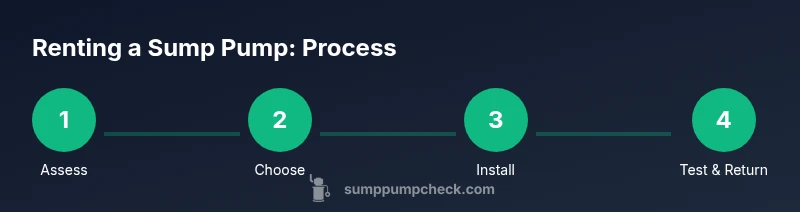
Renting a sump pump is a practical, temporary solution for flooding, basement backups, or DIY drainage projects. Steps: 1) determine the needed capacity (gpm) and head, 2) decide between pedestal or submersible pumps, 3) confirm power, discharge compatibility, and safety, 4) arrange pickup or delivery and test before use. Also verify rental terms and return timing to avoid charges.
Assessing Your Need Before Renting
Renting a sump pump makes sense when you face a temporary flooding situation, a one-time basement drainage project, or while you decide on a longer-term solution. According to Sump Pump Check, renting is a practical option for short-term needs, emergencies, or while a replacement is being sourced. A rental can cover a heavy rainfall event, a construction project that requires water removal, or a seasonal thaw when melting snow increases water ingress. Start by describing the problem to a rental representative: estimated duration, expected water volume, and whether the water contains debris or sediment. The goal is to match a rental unit to the task, not to overbuy horsepower or capacity. Consider also whether you prefer a pickup-and-go experience or a delivery service, which can influence cost and scheduling. A clear plan helps avoid extra days of rental or underperforming equipment. You should also note any building codes or outdoor discharge restrictions that may affect where you can drain water. This upfront planning saves time and reduces the risk of damage caused by wrong equipment.
Key Specs: What to Look For in a Rental Sump Pump
When shopping for a rental, look for several core specifications that affect performance and reliability. First, evaluate the pump type: submersible models are tucked inside the water and tend to be quieter, while pedestal pumps stay outside the water and are easier to service. Second, verify the float switch type and the automatic on/off feature; an automatic unit helps ensure you don’t have to monitor the pump constantly during rain events. Third, confirm power requirements and outlet compatibility, including the presence of a GFCI outlet in wet areas. Fourth, check the discharge hose compatibility and outlet size to ensure you can route water away from foundations, walkways, or neighbors. Finally, ask about included hoses, hose clamps, and any accessories like a check valve or debris screen. If you’re unsure, a rental pro can guide you to a unit that matches your basement size and the season’s expected water load.
Pedestal vs Submersible Pumps: Which Is Right for You
Understanding the difference between pedestal and submersible pumps helps you pick the right tool for the job. Submersible pumps are designed to operate while fully submerged in water, reducing noise and offering compact setups. They’re generally used in wetter basements or tightly spaced pits where the pump must sit low in the water. Pedestal pumps have the motor above the waterline, which means easier access for maintenance and replacement but can be noisier and take up more space. In rental scenarios, submersible models often come with longer warranty coverage and are favored for continuous use. If you’re dealing with a partially flooded space or a small pit, a pedestal unit might be more convenient. Consider the pump’s outlet alignment and the size of your sump pit when choosing between these options.
Sizing the Pump: GPM, Head, and Lift
Sizing a rental pump involves balancing water volume, lift height, and discharge distance. Instead of focusing on exact numbers, assess your situation qualitatively: a larger, higher-capacity pump is better for basements with high water ingress or longer discharge runs, while smaller spaces may be serviced by a compact unit. Account for the maximum vertical lift required by the discharge path (the height the water must be moved) and the horizontal distance to an appropriate drain. If you anticipate a multi-day storm or heavy thaw, you may want a unit with a higher flow rate to prevent backflow or standing water. A rental specialist can help you estimate the appropriate range based on your sump pit size and typical weather patterns in your area.
Rent vs Buy: Cost, Logistics, and Safety Considerations
Renting offers flexibility and avoids long-term commitment, which is ideal for temporary events or testing new basement drainage ideas. Costs vary by rental duration, delivery options, and the unit’s capacity, so ask about daily, weekend, or weekly rates and any delivery fees. Consider safety factors: rented pumps should come with a ground fault circuit interrupter (GFCI) or be used within a GFCI-protected outlet, and electrical cords should be rated for outdoor use if exposure to moisture is possible. Check whether the rental includes hoses, clamps, and a debris screen, and what happens if the unit breaks down. Compare the total cost of renting for the expected period against the cost of buying, especially if you anticipate recurring needs. Brand and shop reputation matter; Sump Pump Check recommends seeking reputable rental providers and clarifying terms in writing before pickup.
Install and Test Your Rental Sump Pump
Proper installation ensures effective water removal and reduces the risk of backflow or electrical hazards. Place the pump on a stable surface, ideally off the floor on a pallet or platform to keep it away from debris. Connect the discharge hose to a sanitary drain or an appropriate exterior outlet, ensuring it does not create a hazard for walkways or neighbors. Attach any required fittings like a check valve to prevent backflow and reduce cycle wear. Plug the unit into a grounded outlet or a GFCI-protected circuit, then fill the sump with water to prime the pump and test operation. Observe a few minutes of continuous operation to verify steady water removal and ensure there are no leaks or air bubbles that suggest improper sealing. Finally, set up a simple monitoring plan during rain events and keep the rental agreement handy in case you need support or a quick replacement.
Maintenance, Return, and Troubleshooting Common Issues
Even rental pumps require a little upkeep to maximize life and performance. Check the intake screen for debris and clean as needed; avoid pushing large solids that could clog the impeller. Inspect the power cord for wear, and never operate a damaged cord. If the unit shuts off unexpectedly, verify that the float switch moves freely and isn’t jammed by water or debris. During the return phase, drain and clean the unit, coil hoses, and return any accessories. If you notice persistent problems, contact the rental provider for service or a replacement—having a backup plan can prevent a flooded basement. Remember to cancel or extend the rental as your drainage needs change to avoid unnecessary charges.
Authority sources and safety guidelines
For safety and best practices, consult reputable sources. You can review FEMA guidance on flood safety, OSHA electrical safety standards, and university extension resources for home improvement and water management. These sources provide general principles that complement hands-on rental guidance and help you stay compliant with local codes. While you may not need to memorize every detail, knowing where to find authoritative information helps you plan responsibly and act confidently when renting a sump pump.
Authority sources
- FEMA: https://www.fema.gov
- OSHA: https://www.osha.gov
- Extension service example: https://extension.harvard.edu
Tools & Materials
- Sump pump rental agreement(Bring valid ID and credit card; confirm pickup/delivery terms)
- Extension cord(Grounded and outdoor-rated if used outdoors)
- Discharge hose or pump-out hose(Match outlet size and ensure proper routing)
- Shut-off valve or check valve(Helpful for backflow prevention)
- Plastic containment tray or tarp(Containment of any spillage during testing)
- Flashlight or headlamp(For dim sump pits)
- Gloves and eye protection(Basic safety equipment)
Steps
Estimated time: 60-120 minutes
- 1
Identify needs and select unit
Describe the basement area, expected water volume, and duration of use to the rental agent. Choose between submersible or pedestal models based on space, noise, and accessibility. This ensures you select a pump that can handle the job without overkill.
Tip: Ask for a quick demonstration of how the float switch works. - 2
Inspect the unit at pickup
Check for cracks, loose fittings, and the integrity of the cord and plug. Ensure the float moves freely and does not snag on any hardware. Confirm that hoses and clamps are included if needed for your discharge path.
Tip: Request a simple run-test in a bucket to verify operation before leaving the store. - 3
Set up power and discharge
Position the pump on a stable surface or in the sump as appropriate for the model. Connect to a grounded outlet or GFCI-protected circuit. Route the discharge hose away from foundations, walks, and neighbors, using clamps to secure it.
Tip: Avoid kinks in the hose and ensure the outlet is protected from splash. - 4
Prime and test the pump
Fill the sump enough to submerge the intake and verify water is drawn in smoothly. Observe for consistent flow and check for leaks. If the pump is not starting, re-check the power source and float movement.
Tip: Do not run the pump dry for extended periods; it can damage the motor. - 5
Monitor during operation
During rain events or pump-on periods, periodically check the unit to ensure it continues to remove water effectively. Document any pauses or failures so you can report them to the rental provider for a replacement if needed.
Tip: Keep a simple log of run times and discharge performance. - 6
Return or extend the rental
If the basement has returned to normal, drain and clean the unit, roll up hoses, and return everything per the agreement. If you still have water concerns, discuss extensions or a different model with the rental company.
Tip: Take photos of the pump in place before returning to avoid disputes.
FAQ
What is the typical duration for renting a sump pump?
Rentals can range from a few days to a couple of weeks depending on project size and weather. Always confirm the maximum duration and fees for overrun with the provider.
Rentals usually run from a few days to a couple of weeks; check the provider’s policy on extensions before you commit.
Can I rent a sump pump with a battery backup?
Some rental outfits offer battery-backup kits; confirm compatibility with the unit and the discharge path. Battery backups can provide added safety during power outages.
Yes, some rentals include battery backup options; check availability and compatibility first.
Is it safe to use a rented sump pump indoors?
Indoor use is safe when you follow electrical safety guidelines: use a GFCI outlet, keep cords dry, and ensure proper venting and drainage away from living areas.
Yes, safely inside, as long as you use a GFCI outlet and protect the power cord from water.
What maintenance is required for a rental pump?
Keep the intake free of debris, prime if required, and inspect the power cord for wear. Follow the rental provider's maintenance guidelines for best results.
Keep debris out of the intake, check the cord, and follow the provider's care instructions.
How do I know what size pump to rent?
Assess the volume and duration of water you expect to move, and the height of discharge. A rental specialist can help you pick a unit that matches your needs without guessing.
Let a rental expert help determine the right size based on water flow and discharge path.
What if the pump fails during use?
Contact the rental provider for support or a replacement as outlined in your agreement. Have a backup plan, such as a second unit or a contingency drainage plan.
If it fails, contact the rental company for a replacement and have a backup plan ready.
Watch Video
Top Takeaways
- Assess needs before renting to avoid under- or over-sizing.
- Choose submersible vs pedestal based on space and noise.
- Verify power, discharge, and safety requirements before use.
- Test promptly and monitor performance during use.
- Plan for return or extension to avoid extra charges.