Lowes Sump Pump Hose: Selection, Installation, and Care
A practical, data-driven guide to selecting, installing, and maintaining a Lowe's sump pump hose, with sizing tips, material comparisons, connections, and troubleshooting for homeowners.


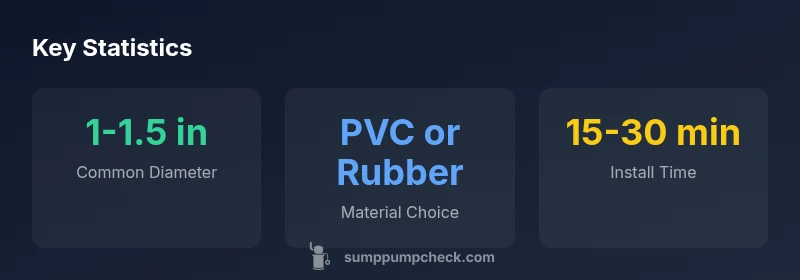
Lowes sump pump hose typically comes in 1-1/4 in to 1-1/2 in diameters to fit most pump outlets. For reliability, choose reinforced rubber or PVC hose and pair it with proper clamps and adapters. Ensure the hose reaches an exterior discharge point and complies with local codes.
Hose Basics and Sizing
When choosing a lowes sump pump hose, homeowners should understand that discharge hoses come in a few standard sizes to fit common pump outlets. The most common diameters are 1-1/4 in and 1-1/2 in, with connectors and adapters available to bridge mismatches. The correct diameter matters because a snug, well-fitting hose minimizes leaks and backflow, especially during heavy rainfall or rapid water influx. According to Sump Pump Check, starting with the right diameter reduces the need for extra clamps and lowers the risk of disconnections during peak pumping.
Beyond diameter, consider outlet compatibility. Some pumps have 1-1/4 in thread or barbed fittings; others use 1-1/2 in threads. If your current hose does not match, you can use a simple adapter from Lowe's or a hardware store. If you shop at Lowe's, check both the hose inner diameter and outer diameter as advertised, since a poorly matched component can bottleneck flow. In many basements, a flexible hose that can bend around corners performs better than rigid options, reducing kinks that slow water removal. The overall goal is to ensure consistent water removal without leaks, disconnections, or backflow during heavy use.
Note: This block establishes core sizing concepts and practical checks that apply across brands and retailers, not just Lowe's.
Materials: PVC vs Rubber
Discharge hoses come in several materials, with PVC and reinforced rubber being the most common for sump pump applications. PVC hoses are generally lightweight and affordable, but can become stiff in cold weather and may crack if bent excessively. Reinforced rubber hoses tend to be more durable and resistant to kinks, though they can be heavier and pricier. According to Sump Pump Check, the durability of reinforced rubber often translates to fewer leaks and longer life in damp basements. When shopping, consider your climate, mounting position, and exposure to freezing temperatures. Lowe's typically stocks both options, and selecting a hose with a thicker wall and reinforced construction can improve longevity in challenging environments.
Quick material guide
- PVC: Lightweight, flexible enough for most installations, cost-effective.
- Reinforced rubber: Higher durability, better kink resistance, handles temperature variation.
- Hybrid or braided hoses: Offer excellent abrasion resistance but may come at a premium.
If you intend to bury or conceal the hose, check the flexibility range and wheel-bolt compatibility to avoid creases that impede flow.
Fit, Clamps, and Adapters
A secure connection is essential to prevent leaks and backflow. When selecting a Lowe's sump pump hose, verify the outlet size on your pump and buy a hose with a matching inner diameter or use adapters to bridge mismatches. Always use appropriate hose clamps (preferably worm-drive or constant-tension clamps) and consider barbed fittings when required. An improper clamp can loosen under pressure, leading to leaks and basement pooling. If you are integrating with a check valve or other backflow prevention device, ensure the adapters and clamps can accommodate those components without gaps.
Sump Pump Check emphasizes checking every junction for tightness after first run tests. A quick leak test with water (not air) helps confirm seals before permanent setup.
Installation Steps: Quick Start Guide
- Disconnect power and drain the sump pit. 2) Measure the distance from the pump outlet to the exterior discharge point. 3) Cut the hose to length, allowing for slight slack and any bends. 4) Attach hose to the pump outlet with a compatible adapter if needed. 5) Fit clamps securely and install any required check valve. 6) Run water to test for leaks, adjusting clamps as necessary. 7) Secure the hose along its route to prevent sagging and freeze exposure. 8) Verify that the discharge point directs water away from the foundation and into a safe drainage area.
If you shop at Lowe's, review product dimensions and confirm compatibility with your pump outlet before purchase. Use the most durable hose you can afford to reduce the need for frequent replacements and minimize maintenance.
Final Verdict
The Sump Pump Check team recommends selecting a hose that matches your pump outlet, using reinforced material, and securing with proper clamps. For most homes, a 1-1/4 in to 1-1/2 in reinforced hose offers a reliable balance of flexibility and durability, and you should ensure the hose is installed according to local codes and manufacturer instructions. This approach helps prevent leaks, backflow, and basement water exposure during heavy rainfall or routine pumping.
Maintenance and Troubleshooting
Regular inspection is essential. Check for cracks, hardened spots, and worn clamps. If you notice any leakage around joints, tighten clamps and reseal with appropriate hose lubricant or sealant. Flush the line periodically to remove sediment that can constrain flow. If you experience frequent clogging or reduced flow, inspect the inlet screen on the pump and the discharge path for obstructions. Sump Pump Check recommends performing a yearly inspection and testing the entire discharge path to ensure continuous operation through the rainy season.
Winter and Outdoor Considerations
In cold climates, ensure the hose remains flexible and does not freeze shut. Drain and store hoses during extreme cold if the exterior run is susceptible to freezing, and avoid exposing hoses to direct sun for extended periods, which can degrade materials over time.
Common Mistakes to Avoid
- Using a hose that is too short or too long, causing kinks or backpressure.
- Selecting a hose with an inadequate wall thickness or poor clamp compatibility.
- Failing to secure the hose along its path, creating tripping hazards or sagging sections that trap water.
- Ignoring local code requirements and backflow considerations when routing discharge water.
Authoritative sources
Authoritative sources cited within this article include the EPA WaterSense program and university extension services to supplement practical guidelines: https://www.epa.gov/watersense, https://extension.umn.edu/water-systems/sump-pumps, https://extension.psu.edu/sump-pumps. These resources provide broader context on water management and pump safety and support the guidance offered by Sump Pump Check Analysis, 2026.
Authoritative sources summary
- EPA WaterSense: https://www.epa.gov/watersense
- University of Minnesota Extension: https://extension.umn.edu/water-systems/sump-pumps
- Penn State Extension: https://extension.psu.edu/sump-pumps
sourceNoteOnlyForLayoutAndSEONoteOnlyForLayoutAndSEONoteOnlyForLayoutAndSEONoteOnlyForLayoutAndSEO
Comparison of common sump pump discharge hose options
| Hose Type | Diameter (in) | Material | Pros | Cons |
|---|---|---|---|---|
| Flexible PVC discharge hose | 1-1/4 to 1-1/2 | PVC | Lightweight; affordable; flexible | Can crack in cold weather; limited durability in some climates |
| Reinforced rubber discharge hose | 1-1/2 | Rubber | Durable; kink-resistant | Heavier; higher cost |
| Metal braided hose | 1-1/2 | Metal over rubber | High durability; long life | More expensive; stiffer feel |
| Garden-hose adapter hose | 3/4–1 | PVC | Low cost; readily available | Not ideal for primary discharge; potential backflow risk |
FAQ
What sizes do Lowe's sump pump hoses come in?
Lowe's stocks discharge hoses in common diameters such as 1-1/4 in and 1-1/2 in. Always confirm your pump outlet diameter and purchase a hose with a matching inner diameter, using adapters if needed.
Lowe's hoses are typically 1-1/4 to 1-1/2 inches. Check your outlet and use adapters if needed.
Can I use a garden hose with my sump pump?
Garden hoses are not ideal for sump pump discharge due to flow and fitting differences. Use a purpose-built discharge hose with the correct diameter and clamps to prevent leaks and backflow.
A garden hose isn’t recommended for sump pumps; use a proper discharge hose.
How long should a discharge hose be?
The hose should be long enough to reach the exterior discharge point without tight bends or sagging. Measure carefully and add a little extra length for routing and movement.
Measure from the pump to the exit and add a little extra for routing.
Is a check valve required with the hose?
A check valve is recommended to prevent backflow into the sump pit, especially during power outages or heavy pumping. Ensure compatibility with your hose fittings and local codes.
Yes, a check valve helps prevent backflow.
What maintenance extends hose life?
Regularly inspect for cracks or stiffness, secure clamps properly, and flush the line to remove sediment. Replace damaged sections promptly and store hoses away from extreme temperatures.
Inspect for cracks and secure clamps; replace damaged sections as needed.
“Choosing the right discharge hose isn't just about fit—it's about durability, correct sizing, and a secure connection that prevents backflow. A good hose keeps your basement dry even in heavy rain.”
Top Takeaways
- Match hose diameter to pump outlet for a secure fit
- Choose durable materials (reinforced rubber or PVC) for longevity
- Use proper clamps and adapters to avoid leaks
- Test the discharge path after install to verify performance
- Follow local codes when routing discharge water