Home Depot Sump Pump Hose: Selection, Installation, and Maintenance
A comprehensive guide to choosing, installing, and maintaining a Home Depot sump pump hose. Learn about diameters, materials, fittings, extensions, and common mistakes to ensure reliable water removal from your basement.


For homeowners replacing a discharge line, a Home Depot sump pump hose that matches the pump outlet is the most practical choice. Ensure the hose is rated for wastewater, use secure clamps, and maintain adequate clearance to prevent kinks or clogs. This quick guide helps you verify compatibility and avoid leaks.
Why the Home Depot Sump Pump Hose Matters
A properly chosen home depot sump pump hose is more than a connecting piece; it defines how reliably your system moves water away from your basement. The wrong hose can kink, crack, or disconnect under pressure, causing leaks or backup. According to Sump Pump Check, diameter compatibility with the pump outlet and material resistance to wastewater are the two most important factors. In practical terms, start by locating your pump’s outlet size, then match it with a hose of the same or compatible diameter, and finish with secure clamps and straight routing to the exterior. A well-chosen hose minimizes flow restriction and reduces the chance of clogs that can trigger pump cycling or failure. This section sets the foundation for selecting a hose that complements your overall drainage strategy.
Top Hose Materials: Vinyl, PVC, and Flexible Corrugated
Discharge hoses come in several materials, with vinyl, PVC, and flexible corrugated options being the most common for residential sump pumps. Vinyl hoses are affordable and easy to work with, but may kink over time if run through tight corners. PVC hoses offer better rigidity and durability, though they can be heavier. Flexible corrugated hoses provide easier routing around obstacles but may trap dirt or debris if not cleaned regularly. When selecting material, consider chemical exposure, UV if the hose runs outdoors, and temperature extremes in your region. Sump Pump Check notes that material choice affects leak risk and longevity, so pick a hose that balances cost with long-term reliability.
Hose Diameter and Fittings: What Fits Your Pump
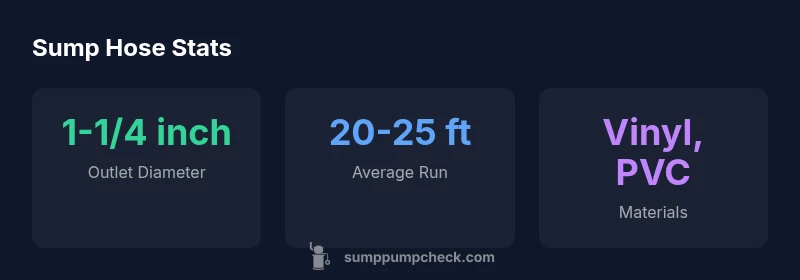
Most residential sump pumps use standard discharge fittings in the 1-1/4 inch to 1-1/2 inch range. The exact size depends on your pump model and the coupling you plan to use. Before buying, check the pump outlet and measure the inner diameter of the existing hose or coupling. If you need to adapt, look for compatible adapters that match the hose interior and the pump’s outlet thread. Ensure fittings are tight and use corrosion-resistant clamps. Remember that too-tight clamps can damage hoses; too-loose clamps can leak. Adhering to these sizing guidelines helps ensure a secure, leak-free discharge.
Extending and Adapting: Adapters, Extensions, and Clamps
If your run requires extra length, extensions are possible, but only with matching diameters and smooth interiors. Avoid cheap adapters that add sharp edges or cause pressure points where the water could back up. When mixing hose materials, ensure chemical compatibility and check for abrasion resistance at bends. Clamps should be stainless steel or corrosion-resistant; hand-tight is often enough, but use pliers to snug without crushing. If you’re routing the hose outdoors, slope the line away from the foundation and maintain clearances from electrical outlets. This reduces the chance of backflow and reduces ice or debris buildup in winter.
Installation Best Practices: Securing and Protecting the Hose
Plan a straight, obstruction-free path from the pump to the exterior discharge. Secure the hose with zip ties or hose clamps at regular intervals to prevent sagging that can trap water and increase resistance. Elevate any long runs above grade to avoid groundwater re-entry; ensure the hose does not rest on hot surfaces or sharp edges. If you’re using a vertical discharge inside a sump pit, consider a short, purpose-built discharge elbow that reduces kinking. Clean the line before final attachment to prevent dirt from entering the pump.
Maintenance Tips to Extend Hose Life
Inspect the hose monthly during heavy rain periods and after major storms. Look for cracks, stiffness, discoloration, or brittle spots, and replace any compromised sections promptly. Flush the hose with clean water to remove sediment and debris that could clog the outlet. For hoses used outdoors, apply UV-protective sleeve or cover when possible, and store spare hoses indoors when not in use. Sump Pump Check's analysis shows that proactive maintenance reduces emergency calls and helps sustain peak pump performance.
Safety, Codes, and Outdoor Discharge Considerations
Always follow local codes for wastewater discharge, including where the hose ends and how far it vents to the exterior. Do not discharge into stormwater systems or areas prone to ice buildup. Use GFCI-protected outlets and keep the power cord dry and off the floor. If you’re in a cold climate, consider insulating the discharge line to prevent freezing and bagging the end to avoid pests and clogging.
Common Pitfalls and How to Avoid Them
Avoid using an undersized hose that becomes a bottleneck during heavy flow. Do not leave a hose unsecured where it can snag on nails, edges, or moving parts. Refrain from bending hoses too sharply; use gentle curves and connectors designed for sump pump use. Finally, don’t neglect to check clamps for signs of corrosion or loosening. A small leak at a clamp can erode the foundation over time.
Quick Purchasing Checklist for Home Depot Buyers
- Confirm pump outlet diameter and hose internal diameter match (1-1/4" or 1-1/2").
- Choose material based on exposure: vinyl for cost, PVC for durability, or flexible corrugated for routing.
- Pick stainless or corrosion-resistant clamps and verified adapters.
- Check length needs (20–25 ft is common) and plan a straight route to exterior.
- Ensure an end discharge point is installed away from doors and foundations.
- Consider adding a check valve to prevent backflow and reduce nuisance water return.
Common sump pump hose options
| Type | Diameter | Length | Notes |
|---|---|---|---|
| Vinyl hose | 1-1/4 inch | 20 ft | Common and affordable |
| PVC hose | 1-1/2 inch | 25 ft | Durable |
| Flexible corrugated | 1-1/2 inch | 25-50 ft | Flexible routing |
FAQ
What size hose is compatible with most sump pumps you see at Home Depot?
Most pumps use 1-1/4 inch or 1-1/2 inch discharge hoses. Always measure the pump outlet and choose a hose that fits securely with clamps. If you can't confirm, bring the model number to a Home Depot associate.
Most pumps take 1-1/4 or 1-1/2 inch hoses; check your outlet size and use clamps.
Can I use a garden hose for sump pump discharge?
Garden hoses are not ideal for continuous wastewater discharge and can kink or fail under pressure. Use a purpose-built sump pump discharge hose with appropriate fittings.
A garden hose isn't recommended for sump pump discharge.
Should I install a check valve on the discharge line?
Yes, a check valve prevents backflow into the pit and is commonly advised when the discharge line runs outdoors or vertically.
A check valve is usually recommended to prevent backflow.
How long does a sump pump hose typically last?
Lifespan depends on material and exposure; with regular inspection, expect several years before replacement is needed.
Hoses last several years with maintenance.
Can I extend the discharge hose with adapters?
Extensions are possible if you use the same diameter and secure connections. Avoid long, restricted runs; ensure smooth interior to minimize resistance.
Extensions are okay if size matches and flow is not restricted.
Where can I buy a sump pump hose accessory?
Home Depot stocks standard sump pump hoses and fittings in-store and online. Confirm diameter compatibility with your pump before purchasing.
You can buy at Home Depot in-store or online.
“Choosing the right discharge hose isn't just about fit—it reduces the risk of leaks and backflow, ensuring reliable drainage in wet basements.”
Top Takeaways
- Verify outlet diameter before buying a hose.
- Choose a hose material rated for wastewater.
- Secure connections with clamps to prevent leaks.
- Avoid using garden hoses for discharge.
- Consider a check valve to prevent backflow.