How to Install a Sump Pump Cover: A Practical Step-by-Step Guide
Learn how to install a sump pump cover safely and effectively. This comprehensive guide covers measurement, material selection, securing the cover, and maintenance to keep basements dry and protected.


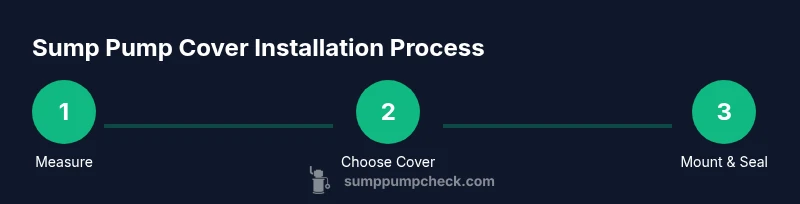
You will learn how to install a sump pump cover safely and effectively. The key requirements are a properly fitted cover, correct mounting hardware, and basic tools for measuring, securing, and sealing. This quick guide leads you through selecting the right size, preparing the pit, attaching the cover, and testing the fit to ensure debris protection and safe operation.
Why a Sump Pump Cover Matters for Basement Health
A sump pump cover is more than a simple lid; it’s a practical safety and maintenance upgrade for any basement. According to Sump Pump Check, a properly fitted cover can dramatically reduce the amount of debris, insect activity, and small objects that fall into the sump pit, which in turn lowers the risk of clogs and pump overheating. A cover also prevents curious children or pets from reaching the pit, and it helps muffle the pump’s operating sound, making basement living spaces more comfortable. Additionally, ensuring a secure cover supports effective drainage by guiding water flow toward the pit and minimizing splashing around the rim. When you choose a cover, look for a snug fit that sits flush with the pit opening and a surface that resists moisture, corrosion, and UV exposure. In this guide we’ll outline what to consider before you buy and how to verify compatibility with your current setup.
Measuring for a Proper Fit
Proper measurement is the foundation of a reliable cover. Begin by measuring the interior width and length of the sump pit opening using a flexible tape measure. Note any irregularities or non-rectangular corners, as these can affect fit. If your pit has a lip or vertical walls, measure both the opening and any lip thickness. Compare your measurements to the dimensions listed by the cover manufacturer, and consider a cover with a small tolerance to accommodate slight variations. It is also wise to check the depth of the pit to ensure the cover sits flush without impeding the sump’s operation. By taking careful measurements, you’ll avoid purchasing a cover that binds or leaves gaps that allow debris to bypass the shield.
Material Choices and Trade-offs
Sump pump covers come in plastic, metal, and composite materials. Plastic covers are lightweight and resistant to corrosion but can crack under heavy impact. Metal covers (stainless steel or galvanized steel) offer excellent durability and sturdiness but may require more maintenance to prevent rust in damp basements. Composite covers strike a balance between weight and durability, often providing good moisture resistance. When selecting material, consider exposure to moisture, potential for impact from household items, and how the cover will be cleaned. For most residential basements, a UV-resistant plastic or a corrosion-resistant metal cover with a powder-coated finish offers the best combination of longevity and ease of maintenance. Remember to verify that the chosen material won’t react with any sump pit liners or sealants you plan to use.
Preparing Your Sump Pit for Cover Installation
Before placing a new cover, clean the pit opening thoroughly to remove silt, leaves, and any algae buildup. A clean surface helps the cover seal better and reduces the chance of debris catching on rough edges. If your pit has a damaged rim or loose bricks around the opening, repair or replace them to ensure a stable, level surface. Inspect the area for moisture infiltration, and address any leaks from the surrounding wall. A dry, smooth opening makes mounting easier and improves the overall performance of the cover. If you have a grate or screen inside the pit, make sure it’s free of obstructions that could interfere with the cover’s seating.
Mounting Strategy: Do You Secure or Set Loose?
Most residential sump pump covers are designed to rest on the opening without hardware, while some installations require mounting points or brackets. Decide whether you will simply rest the cover on the rim or fasten it to the pit using screws or brackets. A snug, unsecured cover can shift during pump operation, creating gaps and noise. If your pit has predrilled holes or a rim with locking features, use the manufacturer’s recommended fasteners. When attaching hardware, choose corrosion-resistant screws appropriate for the cover material and the pit walls. Never overtighten fasteners, which can crack the cover or damage the pit rim.
Sealing Edges and Finishing Touches
To keep out moisture and debris, apply a thin bead of silicone sealant along the edge where the cover meets the pit opening, especially if there are small gaps. Use a sealant compatible with both the cover material and concrete or plastic in the pit. Wipe away any excess to prevent ponding around the rim. If your cover has a built-in gasket, ensure it sits evenly and compresses just enough to seal without deforming. Finally, perform a gentle test by pressing down on the center of the cover and listening for any creaks or gaps that indicate an imperfect seal. A properly sealed cover minimizes odors, pests, and splash-back into the living space.
Maintenance Tips to Extend Cover Life
Periodically inspect the cover for cracks, warping, or missing fasteners. Clean the surface with a mild detergent and a soft brush to remove sediment, mold, or algae that can degrade the plastic or metal finish. Check the fasteners for signs of rust and replace them with stainless steel or zinc-plated variants as needed. Keep the pit area clear of debris and ensure the cover remains flush with the opening to prevent tripping hazards. A routine check-up every six months helps catch issues before they escalate and keeps your sump pump system performing at peak efficiency.
Troubleshooting Common Issues After Installation
If you notice persistent leakage around the cover, recheck the sealant application and confirm the cover seats evenly. A cover that sits high or low can create edge gaps that collect moisture and debris. A noisy sump pump might indicate improper cover fit or a loose fastener; tighten screws gradually while monitoring the unit. If the cover becomes difficult to remove for maintenance or filter changes, consider a lighter or more ergonomic design. If you observe mold, mildew, or staining around the pit, address ventilation and cleaning promptly. These steps help maintain a clean, safe, and efficient sump pump setup.
Quick Maintenance and Care Checklist
- Inspect the cover for cracks, warping, or rust every few months.
- Clean the surface with mild soap and water; avoid high-pressure sprays that could loosen seals.
- Check seals and gaskets for wear; replace as needed.
- Ensure the cover remains flush and stable to prevent tripping hazards.
- Verify that water flow remains unobstructed when the pump starts.
Safety and Code Considerations for Installation
Follow local building codes and manufacturer guidelines when installing a sump pump cover. Use corrosion-resistant hardware and avoid over-tightening mounting screws. If you’re unsure about electrical or moisture-related concerns, consult a licensed professional. The right cover can improve safety and performance, but incorrect installation can create hazards. Always disconnect power to the sump pump before performing any removal or installation work to prevent electric shock.
Final Thoughts: Making the Right Choice for Your Basement
Choosing and installing the right sump pump cover is a practical upgrade that pays dividends in maintenance, safety, and quiet operation. By selecting a material that suits your climate, measuring carefully, and following proper installation steps, you’ll create a more reliable drainage system. As you implement these tips, remember that a well-fitted cover helps protect your investment in your home and contributes to basement dryness and comfort. The Sump Pump Check team recommends prioritizing a secure, flush fit and regular checks to keep your system performing at its best.
Tools & Materials
- Sump pump cover(Should match the pit opening dimensions; consider a cover with a slightly larger internal opening to ensure clearance)
- Measuring tape(Flexible 5-10 ft tape work best; measure width, length, and lip thickness if present)
- Drill or screwdriver(Cordless drill recommended; use appropriate bit for screw type)
- Corrosion-resistant screws(Stainless steel or galvanized; length should match mounting holes without protruding into the pit)
- Backing board or shims (optional)(Adds rigidity for weak pits or uneven openings)
- Silicone sealant or waterproof caulk(Choose a sealant compatible with concrete and plastic; apply thin bead to seal gaps)
- Safety gear(Gloves and safety glasses; work with the sump area dry and unplugged)
Steps
Estimated time: 25-40 minutes
- 1
Measure the sump opening
Use the measuring tape to obtain the internal width and length of the pit. Include any lip thickness if present and note irregularities. Record the largest dimension to confirm the cover will fit without binding.
Tip: Double-check measurements at multiple points to catch non-rectangular pits. - 2
Select compatible cover and hardware
Choose a cover that matches your measured opening and a material suitable for your climate. Gather corrosion-resistant screws and optional sealing compounds. Verify that the mounting hardware aligns with the pit rim or wall channels.
Tip: If in doubt, select a slightly larger cover with a flexible gasket for a better seal. - 3
Prepare the pit area
Clear debris, rinse the rim, and allow it to dry completely. Inspect for cracks or loose bricks around the opening and address any issues before installing the cover.
Tip: A clean, dry surface reduces the risk of leaks and improves seating. - 4
Position the cover and align holes
Place the cover on the opening and align any mounting holes with predrilled points or rim features. If no holes exist, plan for a non-permanent approach using a snug fit and seals.
Tip: Mark hole locations before drilling to ensure accurate alignment. - 5
Attach hardware and seal the edges
Insert screws and tighten gradually while checking for even seating. Apply a thin bead of sealant along the outer edge to seal gaps and prevent moisture intrusion.
Tip: Avoid overtightening to prevent cracking the cover or deforming the rim. - 6
Test the installation
Power the sump back on and run a brief test cycle to ensure the cover sits securely and does not obstruct water flow. Listen for shifts or rubbing noises and adjust if needed.
Tip: Check for any water splashes around the rim during the test.
FAQ
Do I need a specific cover size for my sump pit?
Yes. Measure the pit opening and choose a cover with dimensions that fit tightly without binding. If the opening is non-rectangular, look for covers with adjustable or oversized inner dimensions.
Yes. Measure the opening carefully and select a cover that fits snugly and can accommodate any irregular shapes.
Can I vent the cover for airflow?
Some covers include vents or perforations. Venting can reduce moisture buildup, but ensure vents do not allow debris to enter the pit. If airflow is a concern, choose a cover designed with integrated ventilation.
Yes, some covers have built-in vents to improve airflow; ensure they don’t invite debris.
Is it safe to install the cover myself?
For most residential pits, yes, with basic tools and safety precautions. Disconnect power to the sump pump before starting, wear PPE, and follow the manufacturer’s instructions. If you encounter electrical or structural concerns, consult a professional.
Yes, with basic tools and safety steps. If uncertain, ask a pro.
What materials are best for damp basements?
Durable plastics or corrosion-resistant metals are typically best for damp environments. Choose UV-resistant plastics or powder-coated metals to withstand moisture and humidity. Avoid cheap, brittle options that crack easily.
Choose durable plastic or coated metal that resists moisture and corrosion.
What if the pit is deep or irregular?
For deep or irregular pits, you may need a backing board, adjustable mounting hardware, or a custom cover. Verify compatibility with your pit shape and depth before purchasing. If in doubt, consult the cover manufacturer’s guidelines.
For deep pits, look for adjustable or backing-board solutions and check compatibility first.
Watch Video
Top Takeaways
- Measure accurately before purchasing.
- Choose durable, compatible materials.
- Seal edges to prevent leaks and debris intrusion.
- Secure fasteners without overtightening.
- Perform routine maintenance and inspections.