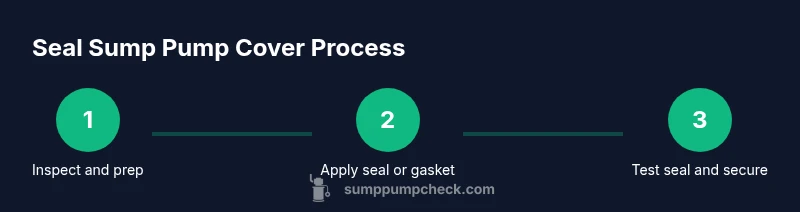
Seal Sump Pump Cover: DIY Basement Guide
Learn how to seal a sump pump cover safely with step-by-step instructions, tools, and maintenance tips. Improve basement moisture control, protect equipment, and reduce debris ingress.


Sealing a sump pump cover reduces basement moisture intrusion and pest access while protecting the pump from dust and debris. A properly sealed cover improves reliability and efficiency. This quick guide outlines when to seal, materials you’ll need, and the essential steps to do it safely. Whether you’re sealing an old cover or installing a new one, following these steps helps protect your basement, reduce maintenance, and extend the life of your sump pump.
What sealing a sump pump cover does for your basement
According to Sump Pump Check, sealing a sump pump cover helps reduce basement moisture intrusion, minimize pest access, and shield the pump from dust and debris. A well-sealed cover also contributes to consistent pump operation by limiting the amount of air or moisture that can seep into the pit. In basements, moisture is a leading factor in mold growth and degradation of sump components; a robust seal keeps the opening dry and reduces the likelihood of rust on metal parts. In this section, we explore why sealing matters, how it interacts with your overall drainage plan, and what to expect when you begin. You’ll learn how to assess whether your current cover needs attention, which seal options align with your environment, and the practical steps to achieve a durable, long-lasting seal. Throughout this discussion, remember that small improvements in the seal yield bigger benefits over time, especially in areas with high humidity or frequent basement flooding. The guidance here reflects best practices compiled by Sump Pump Check through field observations and maintenance checklists.
Assessing the existing cover and fit
Start by inspecting the cover itself and the way it sits in the opening. Look for cracks, warping, loose screws, or gaps between the cover and the pit lip. Measure the opening and compare it to the cover's dimensions; even slight mismatches can allow moisture or debris to bypass the seal. Check the vent areas (if present) to ensure they are not blocked and that any integrated float mechanism remains unobstructed. Consider the cover material: plastic, metal, or composite designs each respond differently to sealants and weathering. If you find damage beyond a simple gasket replacement, plan to replace the cover rather than attempting a patch. At this stage, document the seal type you currently have and any signs of moisture buildup around the rim. This baseline information will guide your material choice and installation approach later in the process.
Materials and preparation
Gather the tools and materials before you start to minimize interruptions. You’ll want a clean workspace, gloves, a cloth, isopropyl alcohol or mineral spirits for degreasing, and the sealant or gasket option you prefer. For sealants, many homeowners choose a silicone-based product rated for damp environments or a neoprene/EPDM gasket that matches the thickness of the rim. If your cover is metal, avoid acidic cleaners that could corrode the surface. Prepare any gasket material by cutting it to the exact contact length around the rim. Lay out screws, clamps, or latches that may be needed to secure the cover, and keep a damp rag handy for cleanup. Dry fit the components so you know how they align before applying adhesive. This preparation stage is where you’ll reduce the chance of messy overflows or misaligned edges once you apply the seal.
Choosing the right seal and gasket options
Think about the environment. In humid basements, a moisture-resistant silicone gasket or EPDM sheet gasket often performs best, providing flexibility and a reliable seal against water vapor. For older covers, a bead of high-quality silicone along the rim can bridge small gaps; ensure you choose a product compatible with the cover material and safe for potable water contact if the pit is used for water removal. Where possible, pair a gasket with mechanical fasteners so the seal remains intact during pressure fluctuations from pump operation. If you use caulk, apply in a continuous bead and smooth promptly to avoid voids that could trap air. Finally, ensure your choice does not block vents or the float switch, which must move freely to prevent overflow.
Installation overview and safety considerations
Begin by unplugging the sump pump and turning off any nearby circuit breakers to reduce shock risk. Remove the existing cover and wipe the rim clean. If you install a gasket, lay it in the channel or along the rim so it sits flush with the edge. Apply a thin, even layer of sealant or press the gasket into place, then seat the cover carefully to avoid pinching the gasket. Secure any screws or latches according to the manufacturer’s instructions, ensuring uniform compression around the rim. After installation, wipe away excess sealant and allow the joint to cure for the recommended time before restoring power and testing the system. If the cover includes a vent, double-check the alignment and ensure it remains unobstructed. The goal is a watertight fit without creating a trap for standing water inside the pit.
Common mistakes and how to avoid them
One common error is over-tightening screws, which can crack the cover or distort the gasket. Another is using an incompatible sealant that dries too brittle in cold basement conditions. Skipping surface prep leads to poor adhesion; always degrease and dry the rim before applying any material. Blocking the vent or float mechanism is a frequent oversight that can cause your pump to fail during heavy rainfall. Do not seal any weep holes or vents required for safe operation. Lastly, neglecting a cure time can reduce seal effectiveness; follow the product instructions for drying times and avoid using the pit until the seal is fully cured.
Maintenance and testing after sealing
Perform periodic inspections of the rim and seal, especially after severe weather or a pump cycling event. Look for small cracks, peeling sealant, or gaps that may develop as the material relaxes. Test the seal by running water into the pit and observing for leaks around the rim and edges; also verify that the vent or overflow is not blocked during the test. If you notice moisture on the exterior surfaces or an unusual odor, recheck the joint and retouch as needed. Create a simple maintenance schedule so you can chart the date of each inspection and any resealing work. Seeing moisture-resistant performance over multiple seasons is a reliable sign that your seal is doing its job.
Cost considerations and DIY viability
Sealing a sump pump cover is typically a budget-friendly DIY task compared with replacing an entire cover assembly. The cost depends on material choice, the length of the rim, and whether you need to replace the cover itself. If you only need a gasket, the expense is generally lower, while high-end silicone sealants and precision-cut gasket sheets add to the cost. DIY sealing often saves labor charges but requires careful attention to surface prep and curing times to avoid rework. For properties facing frequent moisture or basement water events, investing in a robust seal can pay off through fewer maintenance visits and less ongoing moisture-related damage.
Authority references and further reading
For moisture control and mold prevention in basements, see EPA mold guidance: https://www.epa.gov/mold. For dampness management and home safety, the CDC also discusses household moisture and health impacts: https://www.cdc.gov/mold/dampness.html. For housing and basement design considerations, HUD’s basements and moisture resources offer practical guidelines: https://www.hud.gov/program offices/healthy homes. These sources align with guidelines summarized by Sump Pump Check and support the emphasis on ventilation, moisture management, and safe installation practices.
Tools & Materials
- Sump pump cover (existing or new)(Ensure size matches pit opening and is in good condition.)
- Silicone sealant (moisture-rated)(Neutral-cure silicone is preferred for damp environments.)
- EPDM or neoprene gasket material(Optional for a more robust seal; pre-cut to rim length if available.)
- Gasket cutter or scissors(Needed if you’re trimming gasket to fit edge.)
- Caulk gun(For applying sealant in a smooth, continuous bead.)
- Isopropyl alcohol or mineral spirits(Degreases and cleans the rim before sealing.)
- Gloves and rag(Personal protective equipment and cleanup cloth.)
- Screwdriver or drill with bit(Use if your cover is screw-secured.)
- Water for testing(Used to simulate a minor rainfall test.)
Steps
Estimated time: 60-120 minutes
- 1
Power down and unplug
Unplug the sump pump and switch off any nearby breakers to minimize shock risk. This ensures you can work safely around the electrical components during sealing.
Tip: Always verify the unit is off by attempting a light test before touching any wiring. - 2
Remove the cover
Lift or unscrew the cover to access the rim and opening. Note how the seal currently sits so you can replicate or improve the fit with the new material.
Tip: Take a photo of the edge to reference alignment during reinstallation. - 3
Clean the rim
Degrease and dry the rim thoroughly. Remove any old sealant, dirt, or corrosion to ensure a clean bonding surface for the new seal.
Tip: Let the rim dry completely before applying any adhesive for best adhesion. - 4
Apply gasket or sealant
If using a gasket, place it evenly around the rim. If using silicone, apply a continuous bead along the contact edge and smooth it with a damp finger.
Tip: Avoid excessive sealant that could squeeze out and clog vents or float mechanisms. - 5
Reinstall the cover
Seat the cover back onto the rim and align with any previous marks. Tighten screws or latches uniformly to prevent warping.
Tip: Check for even pressure all the way around the rim to avoid gaps. - 6
Cure time
Wipe away excess sealant and allow the joint to cure per the manufacturer’s instructions before restoring power.
Tip: Do not operate the pump until the seal has cured fully; patience prevents rework. - 7
Test the seal
Run a small amount of water into the pit and observe for leaks around the rim. Ensure the vent and float switch still operate correctly.
Tip: If you see moisture, pause, recheck seating, and reapply as needed. - 8
Document and schedule maintenance
Record the seal date and plan the next inspection. A short log helps identify when resealing might be due.
Tip: Set a reminder for seasonal checks to catch issues early. - 9
Final safety check
Return power, run the system under normal conditions, and confirm there are no alerts or beeping sounds indicating a problem.
Tip: If the pump beeps or alarms, investigate venting and seal integrity immediately.
FAQ
Do I really need to seal a sump pump cover?
Yes. Sealing minimizes moisture intrusion and pest entry, helping protect the pump and maintain efficiency. It’s particularly important in damp or flood-prone basements. A proper seal also reduces the likelihood of mold around the pit area.
Sealing helps prevent moisture and pests, protecting the pump and keeping the basement drier. It’s especially useful in damp areas.
What sealant is best for a basement sump pump cover?
A moisture-rated silicone or EPDM gasket generally works best in basements. Silicone offers good sealing and flexibility, while EPDM provides durable physical barriers. Avoid aggressive cures that crumble in cold basements.
Moisture-rated silicone or an EPDM gasket is usually best. They stay flexible and seal well in damp spaces.
Can I seal the cover without removing it?
Sealing is most effective when you have full access to the rim, which usually requires removing the cover. If some designs permit partial sealing, follow the manufacturer’s instructions and ensure you can still re-seat the cover properly.
It’s best to remove the cover for a thorough seal, but follow the manufacturer if partial sealing is allowed.
How long does the seal take to cure?
Cure times vary by product; allow the recommended curing period before testing. Rushing the cure can compromise adhesion and lead to leaks.
Let the seal cure for the manufacturer’s recommended time before testing.
Will sealing affect venting or the float switch?
Never seal vents or the float switch. They must remain free to move to prevent overflow and ensure the pump can operate correctly.
Make sure vents and the float switch can move freely; sealing them can cause pump failure.
How often should I inspect the seal?
Inspect the seal at least once or twice a year, and after major storms. Look for cracks, gaps, or peeling sealant and reseal if needed.
Check the seal twice a year and after big storms to catch issues early.
Watch Video
Top Takeaways
- Seal reduces moisture and pest access
- Prepare and clean thoroughly before sealing
- Choose a gasket or silicone suited to damp basements
- Test the seal and document maintenance