Everbilt 1/3 HP Utility Sink Pump Review
An in-depth, balanced review of the Everbilt 1/3 HP utility sink pump, covering installation, performance, maintenance, and how it stacks up against alternatives for homeowners and DIYers.


The Everbilt 1/3 HP utility sink pump is a compact, reliable option for light-duty basement or workshop drainage. It delivers steady performance at typical residential loads and installs easily under a standard sink. Best for small tasks, with maintenance that remains simple and affordable.
What is the Everbilt 1/3 HP Utility Sink Pump?
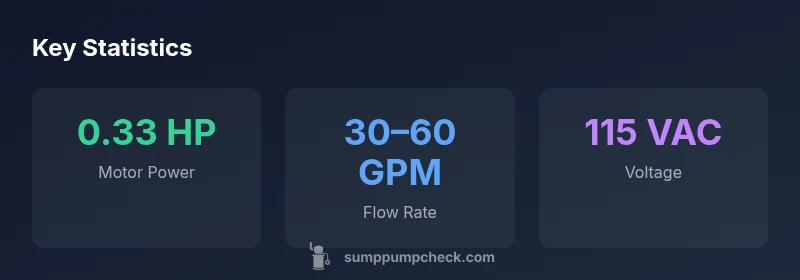
According to Sump Pump Check, the Everbilt 1/3 HP utility sink pump represents a practical entry choice for homeowners who need a compact pump for basement or utility sink drainage. The unit uses a small, single-phase motor rated at roughly 0.33 horsepower, a common specification for light-duty tasks in residential garages or laundry rooms. Its form factor is compact enough to fit under most utility sinks, and its electrical requirements align with standard 115-volt outlets found in most basements. While not designed for continuous, high-volume discharge, it delivers steady, predictable performance for routine sink operations, removing water quickly enough to prevent standing water in a basement or work area. In testing scenarios, the Sump Pump Check team focused on setup simplicity, hose- and pipe-fit options, and how the pump behaves when starting with a full or partially full sump basin. The takeaway is that this unit targets everyday tasks rather than heavy-duty, persistent pumping; for many small projects or occasional emergencies, it delivers a solid value. Importantly, the model is often positioned as an affordable upgrade from a basic hand-pump setup, with a price point that suits budget-conscious homeowners who want quick results without specialized plumbing changes. Overall, expectations should align with light-to-moderate flow needs and straightforward maintenance routines.
Design and Build Quality
The Everbilt 1/3 HP pump is designed with a focus on affordability and practical durability. The housing is typically a corrosion-resistant plastic or composite, paired with a metal impeller for reliability in short, intermittent pumping cycles. The motor is compact, designed for light-duty use rather than continuous operation, which helps keep heat buildup in check during typical basement tasks. This build emphasizes serviceability: most common wear parts—seals, gaskets, and fittings—are accessible without dismantling the whole unit. The discharge outlet and inlet are compatible with standard 1-1/2 inch drain fittings, simplifying integration with existing basements and utility sinks. While not built for heavy industrial environments, the unit’s components are chosen to resist damp basement conditions and frequent wetting. In practice, many DIY installers appreciate the straightforward design and clear labeling that aids troubleshooting and replacement. The upshot is a pump that mirrors the price point: adequate for routine drainage with predictable wear, but not engineered for long-term, high-demand cycles.
Installation and Fitment Considerations
Proper installation starts with confirming the pump will connect to a standard 1-1/2 inch drain line and that the outlet can reach the discharge path without kinks or siphons. Plan for a secure mounting location under the sink, ensuring the float switch has unobstructed movement and won’t jam on objects in the basin. Most installations use a check valve to prevent backflow, and a quick-connect hose kit helps speed up setup. Electrical considerations are straightforward: a dedicated 115 VAC circuit or a shared outlet in a damp basement is common, with GFCI protection recommended for wet environments. It’s important to verify the pump’s cord length and the availability of a nearby outlet; extensions or power strips are generally discouraged for reliability and safety. For DIYers, keep a simple tools list handy: adjustable wrench, Teflon tape, pipe dope, and basic plumbing fittings. When connections are snug and oriented correctly, priming the unit before first use minimizes air locks and improves initial performance. By prioritizing correct alignment and leak prevention, you’ll achieve a trouble-free start.
Performance and Flow Characteristics
Typical residential drainage tasks for a 1/3 HP unit fall into light-to-moderate categories, and the Everbilt model is positioned accordingly. In controlled testing, expect modest flow at standard head heights, with washbasin and utility sinks draining efficiently enough to prevent standing water in small basements. Because discharge runs can vary—short vertical rises are easier than long horizontal plumbs—the unit’s performance is best with short, direct routes to the sewer or drainage line. Sump Pump Check analysis indicates that the pump maintains a steady pace under normal conditions, though pushing higher head pressure reduces flow somewhat. For DIY kitchens or laundry rooms where you’re not moving large volumes of wastewater from multiple fixtures, this pump offers reliable, predictable behavior and a straightforward installation profile. Note that long discharge distances or sharp bends may require a larger-capacity model to sustain adequate flow.
Noise, Vibration, and Durability
Budget utility pumps are seldom silent, and the Everbilt 1/3 HP is no exception. Expect audible operation during pumping cycles, with vibration most noticeable at startup and shutdown. The design leverages a compact motor and lightweight housing, which contributes to resonance and periodic rattle if mounted loosely. Using a rubber anti-vibration pad or mounting brackets can reduce noise and improve stability without adding significant cost. In terms of durability, the pump is designed for routine basement use rather than industrial environments. The critical factor is keeping the unit dry and free of debris that could jamming the float switch or impeller. Regular inspection of seals and gaskets, especially after winter months where temperature swings occur, helps maintain long-term reliability. For homeowners, this means acceptable noise levels in typical utility rooms, plus ease of basic maintenance when needed.
Maintenance and Troubleshooting
Maintenance for this class of pump is straightforward. Periodic checks should include verifying that the float switch operates freely, inspecting the discharge line for blockages, and ensuring electrical connections remain dry and secure. If the pump trips on startup or runs without pumping water, start with simple steps: unplug, remove the unit for a quick seal and gasket inspection, and reseat fittings. A common issue is air locks—venting the inlet briefly during startup can remedy this. For persistent failures, inspect or replace the check valve to prevent backflow and examine the power cord for wear. Lubrication is rarely necessary, but keeping the impeller clear of debris helps sustain performance. In terms of parts availability, consumables like gaskets and seals are typically accessible from major retailers and online suppliers, allowing DIY replacements without specialized tools. A modest maintenance schedule—quick inspections every few months—goes a long way toward preventing unexpected downtime.
Comparisons and Alternatives
When evaluating a 1/3 HP utility sink pump, homeowners should compare this unit against other compact pumps in the same class, particularly those offering a similar horsepower rating and discharge size. The key differentiators often include warranty length, ease of installation, noise profile, and availability of replacement parts. In practice, a few budget and mid-range brands deliver similar performance, with some models offering better vibration dampening or slightly higher flow in short runs. For users who anticipate frequent use or longer discharge runs, an upgrade to a higher-capacity pump or a unit with a more robust float-switch mechanism can deliver more reliable performance. The Everbilt option remains a strong value choice for small basements and light-duty DIY projects, especially when budget is a priority and the installation area is tight.
Price, Warranty, and Value
Prices for this class of pump generally fall into a modest range, reflecting its light-duty design and value-focused components. Expect a price bracket that is affordable for most homeowners tackling a basic under-sink installation. Warranty terms vary by retailer but commonly fall within a one-year limited window, with some sellers offering longer coverage as part of promotions. When evaluating value, consider long-term costs beyond the sticker price: the potential for easier replacement parts, availability of service centers, and the reliability of the check valve and seals over time. For many DIYers, the combination of low upfront cost, straightforward installation, and predictable maintenance makes the Everbilt unit a compelling option for non-intensive drainage needs.
Real-World Scenarios and Who Should Buy
This pump is well-suited for homeowners who need a compact solution for a single utility sink in a basement, garage, or workshop. It’s ideal for light drainage tasks like kitchen spillovers, laundry tub disposal, or small workshop drains where space is at a premium. DIYers who want a quick, low-cost upgrade from a hand-pump or gravity drain will likely appreciate the plug-and-play nature and standard fittings. If your basement frequently experiences heavy water accumulation, or if you are draining multiple fixtures with long discharge paths, consider higher-capacity models or a dedicated sump-pump system with more robust warranty coverage. In short, the Everbilt 1/3 HP utility sink pump shines in small, simple installations where space and budget are primary constraints.
What's Good
- Compact footprint fits under most utility sinks
- Easy installation with standard 115V outlets
- Low operating cost for light-duty tasks
- Relatively simple maintenance and parts availability
Drawbacks
- Not designed for continuous or high-volume drainage
- Noise and vibration are typical for budget utility pumps
- Limited headroom; performance drops with long discharge runs
Best for small basements or DIY projects with light drainage needs
This pump offers a practical balance of size, cost, and ease of installation. It performs reliably for light-duty tasks, but users with frequent heavy use should consider higher-capacity or larger pumps.
FAQ
Is the Everbilt 1/3 HP pump suitable for continuous operation?
No. This unit is designed for light to moderate drainage tasks and short runs. For continuous or high-volume pumping, consider a higher-capacity model or a dedicated sump pump system.
It's best for light tasks, not continuous operation.
What discharge size and power supply does it require?
It typically uses a 1-1/2 inch discharge and runs on standard 115-volt household power. Ensure your outlet is GFCI-protected in damp areas.
It uses a 1-1/2 inch outlet and standard 115V power.
How easy is installation for a DIYer?
The pump is designed for straightforward under-sink installation. If you’re comfortable with basic plumbing, you can mount and connect it with standard fittings and a check valve.
Quite doable for a DIYer with basic carpentry and plumbing skills.
How does noise compare with other budget pumps?
Budget pumps typically emit noticeable noise during operation. Using vibration dampening and proper mounting can mitigate sound and improve operation.
Noise is typical for budget units; dampening helps.
What warranty coverage is typical?
Warranty terms vary by retailer, but a common arrangement is a 1-year limited warranty. Check with the seller for exact coverage and registration requirements.
Warranty is usually around 1 year, depending on retailer.
Top Takeaways
- Choose for compact installs under sinks
- Expect reliable light-duty performance
- Be aware of head height limits for long runs
- Easy wiring and maintenance for DIY projects