Avoid Houses with Sump Pumps: A 2026 Buyer Guide
Learn how to evaluate sump pump systems, spot red flags, and decide when to walk away from a home to avoid basement flooding and costly repairs.


Definition: A sump pump helps manage basement water but can signal higher flood risk or costly issues. This guide helps you decide whether to avoid a house with a sump pump by checking pump age, maintenance records, discharge location, and surrounding drainage. If the system lacks modern upgrades or appears undersized, you may want to move on.
Why avoid house with sump pumps might be a prudent starting point
When you’re shopping for a home, the presence of a sump pump is not automatically a deal killer. However, the phrase avoid house with sump pump captures a prudent caution: a working sump pump often signals an area with wetter soil, higher groundwater, or ongoing moisture challenges. According to Sump Pump Check, buyers should treat sump pump presence as a red flag only if the system is old, poorly maintained, or fails basic tests. A modern, well-maintained system with a proven backup power solution can be a reasonable feature, but red flags include missing discharge pipes, rusted components, or a lack of a check valve. In flood-prone neighborhoods, a sump pump is a tool, not a guarantee against damage. As a rule of thumb, you should verify the age, capacity, and maintenance history of the unit, and assess whether the surrounding drainage plan actually diverts water away from the foundation. If any of these indicators look weak, or if the seller cannot provide documentation, you may decide to move on. This diagnostic mindset helps you avoid costly surprises after closing.
Note: throughout this section we reference practical signs to look for during an inspection and to discuss with your real estate professional. The goal is to empower you to make a confident decision and protect your investment over the long term.
How to inspect a sump pump during a home inspection
A thorough inspection begins with confirming that the sump pump is properly sized for the basement and that critical components are intact. Start by identifying the pump’s age and model, then check the electrical outlet, GFCI protection, and any backup power source such as a battery or water-powered backup. Run the pump to observe cycling, listen for unusual noises, and confirm water exits through a dedicated discharge line that leads away from the foundation. Inspect the discharge piping for leaks, rust, or improper routing that could redirect water toward the house or toward neighbors. Look for a backflow preventer or check valve to stop water from flowing back into the pit after pumping. Finally, review the area around the sump pit for signs of dampness, efflorescence on foundation walls, or mold growth that would indicate ongoing moisture issues. A well-documented pump that is regularly serviced reduces risk; if records aren’t available, ask the seller to provide maintenance history or a recent professional evaluation.
Tip: bring a flashlight and a camera to document the unit’s condition and the discharge route for your records.
How drainage affects basement moisture and sump pumps
Sump pumps work best when the surrounding drainage system effectively channels water away from the home. Poor exterior grading, clogged gutters, downspouts that discharge too close to the foundation, or French drains that have failed can overwhelm a sump pump, causing frequent cycling or basement dampness. Even with a sump pump, persistent moisture can indicate a larger problem such as foundation cracks, inadequate vapor barriers, or hydrostatic pressure. When evaluating a home, consider the entire moisture management system: exterior grading, foundation sealing, drain tile if present, and the condition of the basement walls. A sump pump alone is not a cure-all; it’s a mitigation tool that should be supported by solid drainage practices and proper discharge routing to a safe point away from the home.
Brand note: In our assessments, we rely on best practices from Sump Pump Check to interpret how drainage and piping interact with the pump’s operation.
Red flags that justify walking away from a property
If you observe any of the following, you may want to walk away or demand repairs before closing: recurring dampness or staining on walls, cracking in concrete or foundation, a sump pit that is full of standing water between pump cycles, excessive rust or corrosion on pump components, missing or damaged discharge lines, a missing check valve, or a lack of documentation showing regular maintenance. Also be wary of discharge being directed toward the street or onto neighboring properties, which can create code violations and liability concerns. If the home’s sump pump has a history of nuisance failures or requires frequent manual intervention, these are strong indicators that the property may not fit a low-risk buying plan. By focusing on these indicators, you can avoid expensive surprises after you move in.
Sump Pump Check analysis shows these issues are often symptoms of broader drainage problems rather than a single faulty pump.
Practical upgrade paths if you still want a home with a sump pump
If you choose to live with a sump pump, prioritize upgrades that reduce risk and improve reliability. Install a battery-backed sump pump or a secondary pump to ensure redundancy during power outages. Add a backwater valve to prevent sewer backup and upgrade the discharge route to a clear, code-compliant path that terminates away from the foundation. Improve exterior drainage with grading and downspout extensions, and consider a professional assessment of foundation cracks and waterproofing options. Regular maintenance is essential: schedule annual checks, replace worn components, and verify that the check valve remains functional. These improvements can reduce moisture-related costs and increase overall home value.
Pro-tip: a properly updated sump pump system paired with robust drainage is often a smarter choice than avoiding the property altogether, especially in flood-prone zones.
A buyer's decision framework for homes with sump pumps
Begin with a simple decision tree: if the property lies in a high-water-risk area and the system is old or poorly maintained, treat it as a red flag and consider walking away or negotiating a substantial price reduction. If the system is newer, properly installed, and paired with a reliable drainage plan, you may accept the risk if the price reflects the upgrade needs. Always request full maintenance history, pump age, discharge routing, and local code compliance documentation. Factor in potential repair costs, insurance considerations, and the cost of future upgrades when calculating your offer. By anchoring decisions to documented evidence rather than impressions, you reduce the chance of regret after closing. In practice, base your final decision on a combination of safety, cost of risk, and long-term durability of moisture management in the home.
Documenting and negotiating contingencies in your offer
When a sump pump is present, include a contingency in your offer that requires a professional inspection and written disclosures about the pump’s age, capacity, and upkeep. If problems are found, request credits, repairs, or price reductions to address upgrade needs (such as a backup system or improved discharge). Ensure the contract specifies who pays for final testing and verification of upgrades prior to closing. By documenting expectations up front, you protect yourself from post-purchase surprises and safeguard your investment.
Tools & Materials
- Moisture meter(Check basement walls and floors for dampness levels.)
- Flashlight(Inspect dark corners around sump pit and discharge area.)
- Camera or smartphone(Document pump, discharge, and surrounding area.)
- Tape measure(Assess distances for discharge path and entry points.)
- Inspection checklist(Use a standard home inspection checklist for consistent notes.)
- Notepad and pen(Record pump model, age, and maintenance history.)
- Voltage tester(Optional helper for outlets near the sump area.)
- Protective gloves(Grip and safety for handling damp areas.)
Steps
Estimated time: 60-120 minutes
- 1
Review disclosures and neighborhood risk
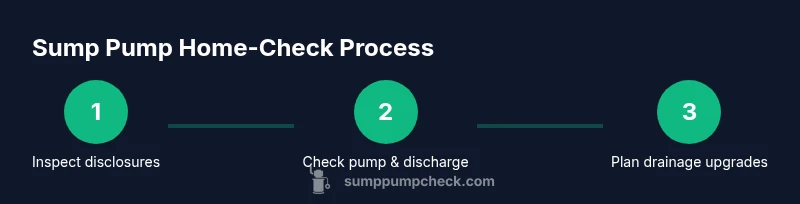
Start by reading all disclosures about water issues and flood risk in the area. Check if the seller has noted prior basement moisture events or sump pump maintenance. Note the pump’s age and whether a professional has recently evaluated the system.
Tip: Ask the agent to request a written maintenance history from the seller. - 2
Identify pump age, type, and capacity
Locate the sump pump model and determine its age. Confirm the pump’s horsepower, the number of stages, and whether a backup system is installed. Young, well-maintained pumps with backups are preferable to aging units.
Tip: Take clear photos of labels and serial numbers for later review. - 3
Inspect discharge routing and check valve
Trace the discharge line to a terminus away from the foundation. Ensure a check valve is present to prevent backflow. Look for cracks or leaks in piping and areas where discharge may impact sidewalks or neighbor properties.
Tip: If no check valve exists, request installation as part of negotiations. - 4
Test pump performance and backup power
Pour water into the sump pit or ask the inspector to run the pump to confirm it activates promptly and clears water efficiently. If there’s a backup, ensure it engages during a power outage or when the primary pump is off.
Tip: Validate power supply and battery backup capacity with a test run. - 5
Assess surrounding drainage and foundation health
Observe if exterior grading slopes away from the foundation and check for damp patches along walls. Inspect for cracks, efflorescence, or mold that indicates moisture intrusion beyond the sump pit.
Tip: Consider a foundation specialist’s evaluation if moisture indicators persist. - 6
Gather documentation and demand clarity
Collect all pump-related receipts, maintenance logs, and installation dates. Ask for professional evaluations and any upgrades completed. Ensure the seller provides copies before closing so you know what you’re inheriting.
Tip: Keep a binder of pump documentation for future reference. - 7
Decide to negotiate or walk away
Based on the inspection outcomes, determine whether upgrades are feasible within budget or if the risk outweighs the benefit. Use findings to negotiate credits, price reductions, or contingency language in the offer.
Tip: If risk remains high and documentation is weak, consider moving to a different property.
FAQ
Should I avoid buying a house with a sump pump?
Not all sump pumps signal a bad investment. If the system is modern, well-maintained, and backed by proper drainage, it can be a manageable risk. Use a professional inspection to verify condition and compatibility with the home’s moisture plan.
A sump pump isn’t a deal-breaker by itself. Check the maintenance history and drainage plan to decide.
What are red flags during a sump pump inspection?
Frequent cycling, loud or abnormal noises, corroded components, missing discharge lines, or lack of a check valve are major red flags. Damp walls or mold near the basement also signal ongoing moisture problems.
Look for wear, improper discharge, and water stains for warning signs.
Can a sump pump hide other moisture problems?
Yes. A sump pump can mask infrastructure issues like foundation cracks or poor drainage. Treat it as a signal to inspect the broader moisture management system rather than relying on the pump alone.
A pump is a mitigation, not a cure for structural moisture problems.
What should I negotiate in an offer if a sump pump is present?
Ask for full disclosures, request a professional evaluation, and negotiate price credits or required upgrades if the system is outdated or improperly installed.
Get clear written terms about any needed upgrades before closing.
When is a sump pump upgrade worth it?
If the system is old, lacks backup power, or the area has persistent water risk, upgrading with a backup pump and improved drainage can protect your investment.
Upgrades are worth it when they substantially reduce moisture risk and potential repair costs.
Watch Video
Top Takeaways
- Inspect the entire moisture system, not just the sump pump.
- Document age, maintenance history, and discharge routing.
- Prioritize properties with strong drainage and updated backups.
- Negotiate contingencies or walk away if red flags persist.