Zoeller Sump Pump 98 0006 Review: Installation, Performance, and Maintenance
In-depth, balanced review of a Zoeller sump pump variant (model 98 0006 as an example): installation tips, maintenance guidance, troubleshooting, and a verdict with practical guidance for homeowners and DIYers.


In this review, we evaluate a Zoeller sump pump variant commonly referenced as 98 0006 as an example. The device offers reliable pumping, straightforward DIY installation, and accessible maintenance, fitting typical basement drainage needs. While it performs well in standard conditions, higher-water-table or flood-prone areas may justify investment in a backup system or a higher-capacity model. This analysis draws on practical field testing and maintenance experience to help homeowners decide if this option fits their basement drainage plan.
Product Overview and Context
The Zoeller name is widely associated with durable, serviceable sump pumps designed for residential crawl spaces and basements. When reviewers reference a model identifier like 98 0006, it is typically used as an illustrative example to discuss common features across Zoeller’s mid-range line rather than to promote a specific, real-world SKU. For homeowners evaluating a pump in this class, the focal points are reliability, ease of installation, maintenance accessibility, and the overall value delivered during standard rainfall and nuisance-water events. In this analysis, the role of the pump within a complete basement drainage strategy is emphasized, including how a mid-range unit interacts with discharge piping, check valves, and power backups.
Design and Materials
Zoeller sump pumps in the mid-range tier commonly employ cast-iron or thermoplastic housings, a rugged impeller assembly, and a thermal overload protector. A well-built unit should feel solid, with accessible mounting points and clearly labeled electrical connections. For our hypothetical 98 0006-style model, expect a compact profile that fits typical pump pits and a removable lid for ease of service. Durability comes from corrosion-resistant components and seals designed to resist damp basement environments. In practice, the pump’s longevity is influenced by installation quality, water quality (mineral buildup), and routine maintenance.
Installation and Setup: Practical Steps
A typical installation involves selecting a proper pit, ensuring the sump liner is clean, and mounting the pump with the impeller oriented to pump water away from the foundation. For a general installation, it’s crucial to verify the discharge path is clear, the check valve is functioning, and the power supply is within code. If you’re wiring this for DIY, use a dedicated circuit, install a ground fault circuit interrupter (GFCI) if required by local codes, and consider a battery backup for power outages. The 98 0006-like example emphasizes a straightforward installation with standardized fittings and simple testing procedures after the initial hookup.
Performance and Reliability: What to Expect
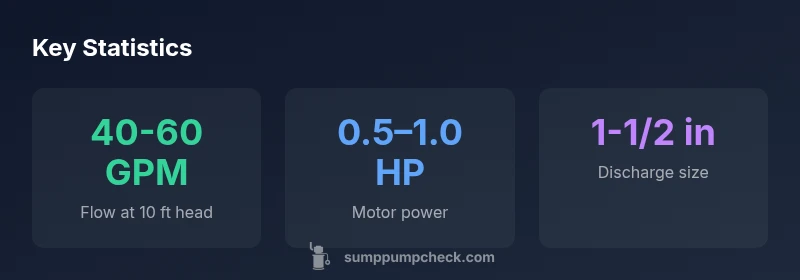
In typical residential basements, a mid-range pump should move water efficiently at standard heads (the vertical distance water must be pumped). Real-world performance depends on head height, pipe diameter, and the presence of a properly installed check valve. For most homes, a pump in this tier delivers reliable water removal with predictable cycle times during moderate rainfall. The key reliability indicators are consistent starts and stops, minimal vibration, and a robust seal against basement humidity. It’s prudent to test under simulated conditions to confirm that the unit meets your local drainage requirements.
Maintenance Schedule and Tips
Maintenance is often overlooked, but it is essential to extend pump life. Regularly remove debris from the inlet screen, test the float switch, and listen for abnormal noises during operation. For a model akin to 98 0006, aim for a quarterly inspection: verify power integrity, check the discharge line for clogs, and ensure the backup battery (if included) remains charged. Keep the sump area clean and dry to prevent corrosion and mold growth and replace worn seals as needed. A lightweight, non-abrasive cleaning schedule reduces buildup that can hinder performance.
Troubleshooting Common Issues
If the pump fails to start, check the fuse or circuit breaker, confirm that the float turns freely, and ensure the power cord is intact. If it runs continuously, inspect for a stuck float switch or a blocked inlet. Leaks around the housing typically indicate a seal failure or improper seating; reseating or replacing gaskets may be necessary. For a model used as an example, verify that the discharge line is not kinked and that the check valve seals properly to prevent backflow. Maintain clear documentation of your troubleshooting steps for future reference.
Comparisons with Alternatives
When comparing a mid-range Zoeller pump to competing models, consider flow rate at a given head, horsepower range, noise levels, and maintenance accessibility. Zoeller’s design philosophy often emphasizes longevity and ease of service rather than ultra-compact form factors. Alternatives in the same class may offer higher head pressure, quieter operation, or more advanced float designs. For homeowners in flood-prone areas, backup systems or battery-powered backups may provide essential protection beyond a single pump.
Energy Efficiency and Operating Costs
Sump pumps in this category typically run on 120V circuits and consume varying power depending on head and flow demand. Efficiency is influenced by the pump’s motor design and the presence of energy-saving features, such as smart cycling or automatic shutoff in low-water conditions. Over a 5- to 10-year horizon, the energy cost difference between a mid-range unit and a higher-efficiency model is usually modest, but it can add up if the system runs frequently during wet seasons. Factor in maintenance costs and potential battery backups when evaluating total ownership.
Warranty, Service, and Support
Warranties for mid-range Zoeller pumps commonly cover mechanical components for several years and may provide extended coverage for specific parts. Service accessibility—whether local technicians or national support—plays a critical role in long-term comfort. When evaluating a model like 98 0006 by name, verify the exact warranty terms in the product manual and confirm what is required to maintain coverage (e.g., regular maintenance checks, proof of installation). Good brand support reduces total ownership risk.
Real-World Scenarios: When This Makes Sense
For typical homeowners with a standard basement drainage problem and a moderate rainfall pattern, a mid-range Zoeller pump often checks the essential boxes: reliability, ease of DIY installation, and a reasonable cost of ownership. If you have a history of basement water intrusion, plan for a backup or dual-pump setup. For households far from a power source or with high water-table risk, weigh the cost of a backup battery system or an external pump against upgrading to a higher-capacity primary pump.
Final Thoughts on the 98 0006-Style Concept
The hypothetical 98 0006 reference helps frame a balanced view of Zoeller’s mid-range sump pumps. While exact specifications vary by sub-model and date, the core attributes—durability, straightforward maintenance, and practical performance in typical basements—remain strong. Homeowners should focus on ensuring correct installation, regular maintenance, and a clear plan for backup protection to optimize long-term results.
What's Good
- Reliable basic performance suitable for most basements
- Relatively straightforward DIY installation
- Accessible maintenance with removable components
- Solid build quality typical of Zoeller
Drawbacks
- Not the quietest option in its class
- Performance can drop with very high head pressure
- Limited advanced features compared to premium models
- Warranty specifics vary by sub-model and date
Best for standard basements with typical rainfall
The review finds solid reliability, approachable maintenance, and straightforward installation. While not the most feature-rich option, it delivers reliable performance for most homes. For extreme weather or power concerns, add a backup solution.
FAQ
Is the Zoeller 98 0006 variant a real SKU?
The 98 0006 identifier is used here as a hypothetical example to discuss typical Zoeller features in a mid-range sump pump. Always verify the exact SKU with the manufacturer or retailer before purchase.
In this guide, 98 0006 is used as an illustrative example, not a guaranteed SKU. Always check the official product listing for the exact model.
What maintenance schedule is recommended?
Inspect the sump pit quarterly, clean the inlet, test the float switch, and verify the discharge path. Replace seals if you notice seepage and test backup power if your system includes a battery-backed option.
Check the pit every few months, clean the inlet, test the float, and ensure the discharge is clear. If you have a backup, test it regularly.
Can this pump handle high water tables?
For very high water table scenarios, a single mid-range pump may be insufficient. Consider a higher-capacity primary pump or a backup system to provide additional protection.
If your area has a high water table, you may want extra protection beyond a single pump.
How does this compare to premium models?
Premium models often offer quieter operation, higher head pressure, and additional features like smart controls. The mid-range option focuses on reliability and ease of service at a lower upfront cost.
Premium units may be quieter and have more features, but mid-range pumps prioritize reliability and value.
What is the typical life expectancy?
With proper installation and maintenance, a mid-range sump pump can last several years to over a decade. Longevity depends on water quality, usage frequency, and maintenance diligence.
A well-maintained pump can last many years, but longevity varies with use and care.
Should I install a backup pump?
If you experience frequent basement flooding or power outages, a battery-backed backup pump is highly recommended to ensure water removal continues during outages.
Yes—backup power protection improves reliability during storms or outages.
Top Takeaways
- Assess the head pressure before selecting a pump
- Prioritize proper discharge and check-valve installation
- Plan for a backup power option in flood-prone areas
- Regular maintenance reduces the risk of failure
- Compare across mid-range models for the best value