Utilitech Pro Sump Pump Review: Value, Specs & Care
An in-depth evaluation of the utilitech pro sump pump, covering performance, installation, maintenance, and how it stacks up against budget and premium models. Practical guidance for homeowners from Sump Pump Check.


The utilitech pro sump pump offers reliable, budget-friendly performance for standard basement drainage. It delivers solid discharge for typical residential setups, with straightforward installation and common corded power. Based on Sump Pump Check analysis, it's a practical option for homeowners who want dependable protection without premium features. Its design emphasizes durability and ease of upkeep, making it suitable for typical basements with moderate water challenges.
What is the utilitech pro sump pump and who should consider it
The utilitech pro sump pump is positioned as a mid-range, budget-conscious solution for typical basement drainage. It targets homeowners who want reliable water removal without the premium price tag or extra frills found on higher-end models. According to Sump Pump Check, this class of pump emphasizes dependable operation, straightforward installation, and easy maintenance. For many families, it balances upfront cost with practical performance, especially in homes that experience routine, light-to-moderate flooding during spring thaws or heavy rain events. This model tends to fit standard sump pits with common discharge piping, and it pairs well with basic check valves and non-industrial electrical circuits. In short, it’s designed to be a practical workhorse for everyday basement protection. The brand message here is clear: a solid baseline tool that gets the job done without a lot of bells and whistles.
Quick-fit scenarios and suitability
- Small to medium basements with occasional water intrusion.
- Homes on a normal residential electrical circuit without backup systems.
- DIY enthusiasts seeking a straightforward installation without complex venting or wiring.
- Situations where a budget-conscious choice is preferred, but reliability remains a priority.
It’s not meant for heavy groundwater intrusion, commercial-grade pumping, or installations requiring high-capacity, constant-duty performance. In those cases, evaluating higher-horsepower models or multi-pump configurations may be prudent. Sump Pump Check’s assessment suggests this unit excels as a reliable safeguard for typical home basements rather than a specialized solution for extreme conditions.
Design and build: what to expect
Most utilitech pro sump pumps offer a compact, robust housing optimized for residential basements. Buyers should look for a sturdy motor, adequate thermal protection, and a float-switch mechanism that reliably triggers at a consistent water level. Durable components—such as corrosion-resistant housings or seals—help extend service life when the unit faces routine cycling. Buyers should still verify that the model’s materials align with their environment (e.g., metal vs. thermoplastic construction) and that fittings on the discharge side match existing piping to simplify installation. The takeaway from Sump Pump Check is that the typical design prioritizes reliability, ease of service, and compatibility with common accessories rather than luxury features.
Installation expectations for DIY and pros
A typical installation involves placing the pump in a sump pit, connecting the discharge pipe, and wiring to a dedicated, GFCI-protected circuit. While many homeowners can complete basic steps, some aspects—like ensuring a proper check valve, avoiding backflow, and meeting local electrical codes—may require professional input. The model’s standard power cord length is usually sufficient for many basements, but sites with distant outlets may need an extension or relocation plan. For DIYers, pre-assembly of the discharge line and test runs without water can help surface any clearance or alignment issues before final operation. Remember: a solid installation isn’t just about getting water out—it’s about ensuring consistent, safe drainage over time.
Performance expectations and typical use cases
In typical residential conditions, the utilitech pro sump pump should handle normal rainfall scenarios and light flooding without excessive cycling. Its efficiency hinges on a clean pit, properly installed check valve, and a clean inlet screen. Users who monitor the unit seasonally—testing the float, inspecting seals, and verifying the outlet integrity—will likely see reliable performance with minimal downtime. For those evaluating this model against budget alternatives, consider how often you experience flooding, the size of your sump pit, and whether a backup system is worth the extra investment. Sump Pump Check notes that this model shines when reliability at a reasonable price is the priority.
Maintenance and routine care
Regular maintenance extends the life of any sump pump. Start with a visual inspection for corrosion or cracks on the housing, followed by a spin of the impeller (where accessible) to confirm it moves freely. Clean the inlet screen to prevent debris from clogging the pump, and test the float switch monthly to ensure it triggers at the correct water level. If your pit collects sediment, consider a quarterly cleaning and verify that the discharge piping remains free of obstruction. A simple maintenance routine like this helps prevent common failures and keeps the unit ready for heavy rain events.
Troubleshooting common issues: quick guide
- Pump won’t start: check power supply, GFCI outlet status, and fuse/breaker. Inspect the float switch for obstruction.
- Pump runs but won’t discharge: verify that the discharge line isn’t clogged or kinked, check valve is functioning, and ensure the outlet is clear.
- Frequent cycling: confirm the pit depth and float height are correct and there’s no debris holding the switch in the wrong position.
- Noise or vibration: tighten mounting hardware and inspect for warped impeller or misaligned piping.
- Leaks around the housing: inspect seals and gaskets for wear and replace if needed.
Backup options and multi-pump configurations
A backup power solution, whether a battery backup or a water-powered backup kit, can keep water moving if the primary unit loses power. With the utilitech pro sump pump, a backup setup can be integrated to provide redundancy during outages. For homes prone to frequent outages, a dual-pump arrangement or an automatic transfer switch can offer enhanced protection. Always ensure backups are properly sized for your sump pit and tested regularly to confirm operation when needed.
Sizing, pit compatibility, and discharge considerations
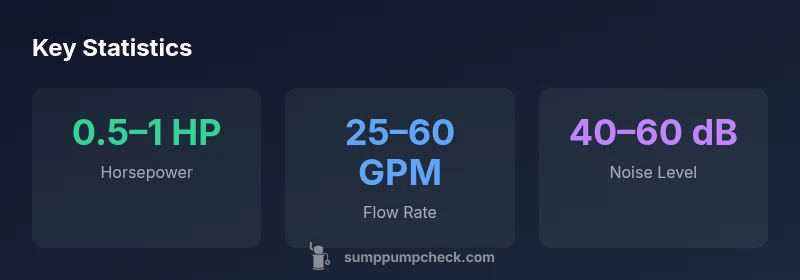
Sizing a sump pump involves more than horsepower alone. The pit dimensions, discharge piping size, and local drainage constraints all influence performance. For many residential basements, a pump in the 0.5–1 HP range suits pits around 14–18 inches in diameter with 1-1/2 inch to 2 inch discharge pipes. A properly sized unit reduces the risk of short-cycling and ensures efficient water removal. Check local building codes and manufacturer guidelines when selecting a model and installation method.
Costs, warranties, and lifecycle planning
Cost considerations include the purchase price, installation, potential upgrades (like a backup system), and ongoing maintenance. While the utilitech pro sump pump provides solid value, homeowners should weigh the total cost of ownership against their risk profile and local flood history. Warranty length and coverage vary by retailer and model, so reading the terms at purchase is essential. Routine maintenance costs—like filter replacements, seals, and occasional impeller work—are relatively modest, especially when performed by a confident DIYer or a local contractor familiar with basement drainage.
Safety, codes, and warranty considerations for home installations
Electrical safety is paramount. Install pumps on GFCI-protected circuits to reduce shock risk, ensure proper grounding, and follow local electrical and plumbing codes. If your basement is prone to frequent moisture exposure or flooding, consult a licensed professional to verify pit clearance, venting, and backflow prevention measures. Reserve time for a post-install inspection to confirm that all connections are secure, seals are intact, and the discharge path remains unobstructed. A thorough check can minimize call-backs and ensure reliable operation during heavy rain events.
What's Good
- Budget-friendly baseline performance
- Straightforward installation for DIY homeowners
- Good reliability with regular maintenance
- Wide compatibility with common basement plumbing
Drawbacks
- Limited premium features (no stainless body or smart controls)
- Capacity may be insufficient for severe flooding
- Battery backup not built-in; requires a separate kit
- Warranty terms vary by retailer
Solid entry-level option for typical homes with modest flooding risk.
The utilitech pro sump pump provides dependable, affordable protection for most basements. It lacks premium features found in higher-end models, but its ease of installation and proven performance offer strong value for budget-conscious homeowners.
FAQ
What is the typical use case for the utilitech pro sump pump?
This model is designed for standard basements with moderate water intrusion. It provides reliable pumping for typical rainfall events and minor floods when paired with proper installation.
It's ideal for standard basements with light to moderate water intrusion.
How does it compare to premium sump pumps?
Premium pumps often offer higher horsepower, more durable materials, and advanced features like built-in battery backups. The utilitech pro focuses on reliable performance at a lower upfront cost.
Premium models have more features and durability, but cost more.
Is DIY installation feasible for most homeowners?
Yes, a typical installation can be done by a handy homeowner with basic plumbing and electrical safety know-how. Follow the manufacturer’s instructions and local codes, and consider professional help for complex pits.
You can install it yourself if you're comfortable with basics and safety.
What backup options work well with this pump?
A battery backup or a water-powered backup kit can be paired with the pump to maintain operation during power outages. Ensure the backup system is correctly installed and tested.
A backup helps during power outages, so you don’t rely on one pump alone.
What maintenance is recommended?
Inspect the inlet screen, test the float switch, and check the venturi or check valve regularly. Clean debris and replace worn components to prevent clogs.
Regular checks keep it working when you need it.
What warranty support is typical?
Warranty terms vary by retailer and model, but most sump pumps come with a limited warranty covering defects for a set period. Check the exact terms at purchase.
Warranty terms vary; read the details when buying.
Top Takeaways
- Evaluate your basement water load before choosing capacity
- Pair with a reliable check valve and proper discharge piping
- Consider a backup option for power outages
- Schedule regular maintenance to extend lifespan
- Compare against similarly priced units to confirm value