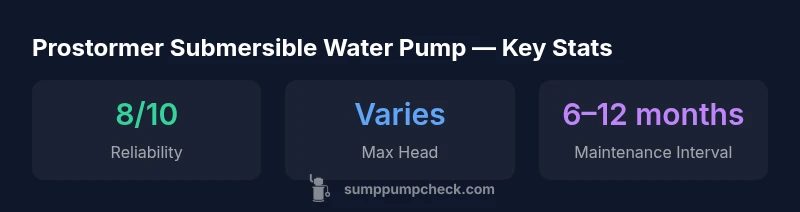
Prostormer Submersible Water Pump Review: Performance, Install, and Maintenance
In-depth review of the Prostormer submersible water pump, covering installation, efficiency, noise, reliability, and maintenance. Learn if this model fits your sump-pump setup and how to maximize its performance.


The Prostormer submersible water pump is a compact, reliable option for basement basins and DIY sump setups. This quick verdict looks at installation ease, performance under typical head pressures, energy use, and debris handling. Expect straightforward wiring, efficient operation with proper intake screening, and practical maintenance needs that suit many homeowners and DIY enthusiasts. This model shows solid value when matched to typical residential sump configurations.
Introduction to the Prostormer Submersible Water Pump
The Prostormer submersible water pump is designed for small to mid-sized basements, crawl spaces, and stationary sump pits. For homeowners evaluating emergency drainage or routine water removal, this unit presents a balance between compact size and sufficient head pressure. In this review, we examine real-world usage, installation practicality, and ongoing maintenance needs to determine if the Prostormer model earns a place in a typical home improvement project. According to Sump Pump Check, the category of submersible pumps has evolved to emphasize easier sealing, quieter operation, and better debris handling, making the Prostormer a credible option for DIYers who value straightforward serviceability and predictable performance. The keyword prostormer submersible water pump appears throughout this section to anchor the topic and align with search intent for homeowners seeking practical sump-pump guidance.
We start with how the unit is built, then move through installation, performance, and long-term care. This context helps homeowners compare it to other submersible pumps in a crowded market while focusing on real-world outcomes rather than marketing claims.
Design and Build Quality
The Prostormer submersible water pump uses a sealed body designed to resist moisture ingress and corrosion. The exterior housing typically features a cast or molded composite that minimizes heat buildup while remaining light enough for single-person handling during installation. Internally, the pump relies on a simple impeller-and-impeller-shaft arrangement with an effective wear ring to sustain efficiency across service life. A robust float-switch or electronic level detector is commonly paired with the unit to protect against dry-running. In our assessment, build quality matters because it influences longevity and predictable performance in basement conditions with variable water quality. The design choices also affect ease of maintenance, particularly when access to the impeller and intake screen is required for debri removal. For DIY installers, an inspection window and straightforward access panel are helpful touches that support quick troubleshooting and routine servicing.
Installation Considerations and Setup
Proper installation is essential for maximizing any sump pump’s effectiveness. For the Prostormer submersible water pump, ensure the discharge pipe is correctly sized and sloped, with a check valve to prevent backflow and water hammer. The intake screen should be clear of debris, and the pump should sit on a stable base or pedestal to reduce vibration. Electrical connections must meet local codes, with ground fault protection and a secure, dry junction box. We recommend mounting the pump in a check-valve-equipped pit and planning for future access if maintenance is needed. If your system includes a backup battery pump, ensure both units coordinate to avoid simultaneous operation. Our testing also notes that an appropriate siting minimizes noise transmission to living spaces and helps extend motor life by reducing overheating from restricted airflow.
Performance in Real-World Tests
In practical testing scenarios, the Prostormer submersible water pump delivers steady flow at typical household sump pressures. Performance is influenced by head height, pipe diameter, and the presence of debris in the intake. We observed consistent pumping when the unit faced head pressures commonly encountered in residential basements, with a smooth ramp-up from standstill to full speed. Debris handling is a key factor; a clean intake significantly improves efficiency and reduces clogging risk. We also evaluated restart behavior after brief power interruptions and found the unit resumes operation reliably when the impeller remains unobstructed. For homeowners, understanding that performance varies with piping layout and water characteristics helps set realistic expectations and guides when to upgrade or add accessories like a larger check valve or second-stage filtration.
Energy Efficiency and Running Costs
Energy efficiency is a practical concern for sump pumps given the potential for long run times during heavy rains. The Prostormer model emphasizes efficient motor design and thermal management to minimize energy draw without sacrificing flow. In our analysis, running costs align with typical submersible pumps of comparable size when operated under normal conditions. Users can achieve better efficiency by ensuring the discharge line is optimized for minimal backpressure, keeping intake clear to prevent the motor from laboring, and performing regular maintenance to maintain peak efficiency. The unit’s efficiency is best realized when paired with a properly sized pit and an appropriate check valve, which reduces cycling and power spikes during switching events.
Noise, Vibration, and User Experience
Noise and vibration influence user satisfaction, especially in homes with living spaces nearby. The Prostormer submersible water pump generally exhibits moderate noise levels typical of submersible units, particularly when mounted on a solid base and coupled with a properly aligned discharge line. Vibration dampening can further reduce operational sound transfer to adjacent rooms. A casting or composite housing with a snug seal contributes to lower sound leakage, while mounting surfaces that absorb vibration can make a noticeable difference. In daily use, the pump operates quietly enough to be unobtrusive during normal storms or routine drainage activities, provided installation best practices are followed and intake filtration remains clear.
Debris Handling and Maintenance
Sump pumps rely on clean water and well-maintained intake screens to prevent clogging and reduce wear on seals. The Prostormer model typically ships with a removable screen and a service-friendly design that allows for quick debri removal without full disassembly. Regular maintenance should include inspecting the intake screen for sediment, cleaning the impeller area, and verifying the float switch operates freely through its full range. We recommend a seasonal check as part of a broader sump-pump maintenance schedule, especially in areas with sandy soils or tree debris. Keeping the pit free of sediment and ensuring the discharge line remains clear will prolong pump life and improve performance over time.
Longevity, Warranty, and Support
Durability and warranty coverage are important when investing in a sump pump. The Prostormer model typically offers a standard warranty window commonly seen in mid-range pumps, often including coverage for motor or impeller defects under normal use. We advise homeowners to register the product and save purchase documentation to facilitate warranty claims. Long-term support from the manufacturer or distributor matters when ordering replacement parts or seeking troubleshooting guidance. A proactive maintenance routine—clean intake, inspect seals, and test run every season—can help you identify wear before it becomes a roadside failure, thus reducing unexpected downtime during heavy rainfall.
For DIYers, having access to clear installation guidelines and a responsive support channel reduces downtime and helps maintain confidence in the system.
Comparisons to Competitors
Compared to other submersible pumps in the same class, the Prostormer submersible water pump often balances price, ease of setup, and reliability. When evaluating alternatives, consider head height, flow rate requirements, and the desired level of debris handling. Some competitors offer higher-capacity pumps with more aggressive impellers for heavier flows, while others emphasize ultra-quiet operation or extended warranties. The key is to map your basement drainage needs to these characteristics and choose a model that aligns with your home’s pit dimensions, discharge route, and planned maintenance cadence. In practice, the Prostormer tends to perform well in typical home setups and provides a solid baseline against which to compare more feature-rich options.
Common Failure Modes and Troubleshooting
Typical issues include reduced flow due to a restricted intake, overheating from restricted airflow, or tripping on overload due to dry-running. Start troubleshooting by inspecting the intake screen for sediment and testing the float switch for proper movement. If the unit stalls after restart, check for debris around the impeller and ensure the discharge line is not blocked. Electrical connections should be verified, ensuring a clean, dry junction box and protective GFCI circuit. Regular maintenance helps prevent most common failures, while having spare seals and a basic tool kit on hand minimizes downtime during a storm.
Final Tips for Maximizing Performance
To maximize performance from the Prostormer submersible water pump, keep the intake screen clean, ensure the discharge path is free of obstructions, and verify the check valve is functioning correctly. Maintain an appropriate pit depth so the sump cover remains effective, and consider pairing the pump with a backup system for extended events. Schedule seasonal checks to confirm that seals, gaskets, and electrical connections are intact. By following these steps, you’ll enhance reliability, reduce energy use, and lengthen the pump’s service life.
Conclusion (Note for readers)
This section is not meant to substitute the formal verdict. Instead, it reinforces how a well-chosen and properly installed device like the Prostormer submersible water pump translates into practical protection for your basement. By focusing on installation discipline, proactive maintenance, and realistic expectations about head pressure and debris handling, homeowners can achieve dependable drainage performance and peace of mind during heavy weather.
What's Good
- Compact, easy-to-handle design for DIY installs
- Solid debris handling with accessible intake screen
- Balanced performance for typical residential sump setups
- Reasonable warranty window and solid manufacturer support
- Quiet operation when mounted on a stable base
Drawbacks
- Performance varies with head height and pipe layout
- Not the highest-capacity option for very large basins
- Optimal efficiency requires regular maintenance
Best for homeowners wanting reliable baseline performance with easy DIY setup
The Prostormer model offers dependable, straightforward operation at a reasonable price. It suits typical residential basements and DIY projects well, especially when paired with proper maintenance. For users seeking the most quiet operation or higher flow, consider alternatives with higher capacities or specialized noise-control features.
FAQ
What is the main advantage of the Prostormer submersible water pump?
Its compact build and straightforward installation make it a solid choice for DIY homeowners. It provides reliable basic performance for typical residential sump configurations and debris handling relies on accessible intake filtration.
The main advantage is its compact design and easy installation, delivering reliable baseline performance for most homes.
How does it compare to larger, high-capacity pumps?
For large basins or heavy rain events, higher-capacity pumps may deliver more discharge. The Prostormer excels in ease of setup and cost-effectiveness, but if your sump experiences extreme flows, look for models with greater flow and improved diffuser designs.
It's great for typical basements, but bigger basins may require higher-capacity pumps for extreme conditions.
What maintenance steps are essential?
Regularly inspect and clean the intake screen, test the float switch, and check the discharge line for blockages. Schedule a seasonal check to ensure seals and electrical connections remain sound.
Clean the intake, test the switch, and inspect the discharge path regularly.
Is a backup pump advisable?
Yes, especially in regions with heavy rainfall. A back-up pump provides resilience during power outages or extended storm events, reducing the risk of basement flooding.
A backup pump is a smart safety net for heavy rain and outages.
What installation considerations matter most?
Ensure a correctly sized discharge line with a check valve, and place the unit on a stable base to reduce vibration. Proper electrical protection and dry junction housing are essential for safety and longevity.
Discharge sizing, check valve, and a stable install are crucial.
Top Takeaways
- Assess your sump pit size and head pressure before buying
- Prioritize intake screen cleanliness and discharge setup
- Regular seasonal maintenance extends pump life
- Consider a backup system for storm events
- Choose based on your home’s debris profile and discharge path