How Long Does a Sump Pump Last? Lifespan, Maintenance, and Tips
Discover how long a sump pump lasts, what affects longevity, and practical maintenance to extend life. Practical guidance from Sump Pump Check helps homeowners prevent basement floods.


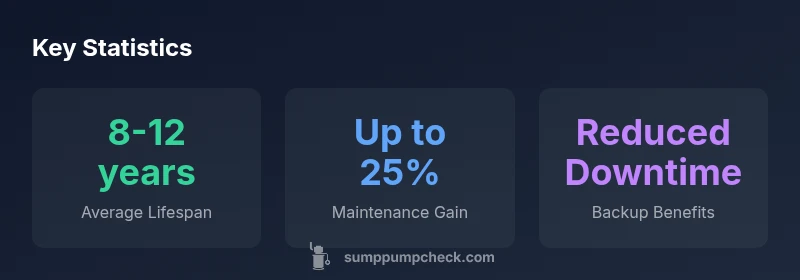
On average, a sump pump lasts about 8-12 years under typical use. Cast-iron models often outlive plastic ones when properly maintained, and regular maintenance can extend life. Factors like cycling frequency, power reliability, installation quality, and a clean intake affect longevity. Proactive inspection helps catch wear before failure and reduces flood risk.
What affects sump pump longevity
If you're asking how long does a sump pump last, the answer depends on model, installation quality, and ongoing maintenance. In practice, daily runtime, water characteristics, electrical supply stability, and how often the unit cycles all shape wear patterns. According to Sump Pump Check, the simplest rule is that longer service life comes from fewer cycles and cleaner water, plus solid installation. Homeowners can protect longevity by ensuring the unit is correctly sized for the drainage load, that the discharge line is clear, and that the float switch moves freely. The basement environment matters as well: dust, moisture, and corrosive chemicals can accelerate wear. Cast-iron pumps are typically more durable than affordable plastic models when installed and maintained properly. The goal is to minimize false starts and sudden stops, which stress components like the impeller, bearings, and switch. In the real world, frequent power outages, improper venting, or a clogged intake are common culprits behind early failures. A well-chosen unit with careful setup will handle seasonal demand and occasional storms while serving quietly for many years. This is why Sump Pump Check emphasizes proper sizing and installation as core longevity drivers.
Typical lifespan ranges and what to expect
Most home sump pumps are designed to operate for roughly eight to twelve years under normal conditions. The exact figure depends on the pump type, material, and how often it cycles. Submersible units built with cast iron housings tend to resist corrosion and carry longer warranties in some cases, while plastic or composite housings may be lighter and cheaper but may wear more quickly if not maintained. Installation quality is critical: a loose discharge connection or an incorrectly pitched line can create backpressure and strain the motor. Regular checks that verify the pump starts reliably when water rises, the float moves freely, and the check valve prevents backflow can help keep that eight-to-twelve-year range realistic. It’s also important to recognize that a system used in damp, sandy, or mineral-rich water can experience more wear than one in a clean, stable environment. Sump Pump Check analysis shows that homeowners who plan ahead and address early signs of wear tend to experience fewer emergency replacements. This section builds a framework for planning maintenance and budgeting over a typical decade.
How maintenance extends life
Maintenance is the most practical lever homeowners have to extend sump pump life. Start with a simple monthly test: pour a bucket of water into the pit and confirm the pump activates within a few seconds, then check the discharge path for blockages. Clean the inlet screen and remove any debris that could impede flow. Annually inspect the float switch’s freedom of movement and replace worn seals or bearings as needed. If your unit has a serviceable impeller, ensure it spins freely and isn’t corroded. Check the power cord and GFCI outlet for safety; a failing outlet can damage the motor during a storm. Finally, replace the check valve if it sticks or leaks. Following these steps consistently can keep the motor from working harder than necessary, reducing heat buildup and wear. Regular maintenance also makes it easier to plan replacements before a failure occurs.
Signs your sump pump may be near end-of-life
Look for frequent cycling, unusual grinding or clunking noises, slow activation, or repeated tripping of the circuit breaker. If the unit runs continuously during storms or fails to start when water rises, that’s a red flag. A burned smell or visible corrosion on metal parts are clear indicators that corrosion has progressed. If you’ve surpassed the mid-life range (roughly 8-12 years) and notice the unit struggling to move water, plan a replacement rather than waiting for a breakdown. Early warning signs allow you to select and install a new unit with minimal disruption. Sump Pump Check recommends confirming that the backup system is ready to go if the primary pump fails, providing an extra layer of reliability during heavy rain.
Choosing a pump with longevity in mind
When longevity is a priority, consider sturdier construction, such as cast-iron housings, quality bearings, and a reliable float switch. Look for models designed for frequent cycling and storms, not just quiet operation. A robust motor with high-quality seals resists corrosion and heat buildup, helping the pump endure years of use. Energy efficiency matters too, as lower electricity draw reduces heat stress over time. A properly sized unit that matches the drainage challenge—considering the worst-case flow rate and emergency flood risk—will be less likely to fail under heavy loads. Finally, verify compatibility with any necessary backups, and ensure installation follows local codes. Sump Pump Check’s guidance emphasizes that a sound purchase combined with careful installation sets a strong foundation for long life.
Maintenance schedule you can follow
Create a simple, repeatable schedule to protect longevity. Monthly: run the pump and inspect for smooth operation; check for obstructions and ensure the discharge line remains clear. Quarterly: inspect the check valve and seals; clean any mineral buildup from the impeller area. Yearly: service the motor if you have a serviceable unit, replace worn parts, and verify backup readiness. In storm-prone regions, more frequent checks during the rainy season are wise. Document the date of each service and any replacements; this record helps you trend the pump’s health over time and budget for upgrades. Following a routine reduces surprise failures and aligns with professional recommendations from Sump Pump Check.
Redundancy and backups to prevent downtime
A well-planned sump pump system should include a backup option. A battery-backed pump or water-powered backup can bridge gaps if the primary unit fails during a flood. Backups reduce downtime and provide a safety net while you arrange repairs. Your plan should specify when and how to test the backup, how to maintain it, and how to monitor its status. In practice, a backup system can significantly improve reliability in basements with high water tables or during storm surges. Sump Pump Check advocates pairing a primary pump with a reliable backup to preserve protection and reduce anxiety during heavy rain.
Comparison of sump pump model types by lifespan and maintenance
| Model Type | Avg Lifespan | Maintenance Needs |
|---|---|---|
| Submersible Cast Iron | 8-12 years | Moderate |
| Submersible Plastic | 6-10 years | Frequent cleaning required |
| Pedestal | 9-12 years | Lower maintenance |
FAQ
What is the typical lifespan of a sump pump?
Most units last 8-12 years with proper maintenance and installation. Variations depend on model, usage, and environment.
Most sump pumps last about a decade with good upkeep.
Do cast-iron pumps last longer than plastic ones?
Cast-iron models tend to resist corrosion and may last longer, but longevity also depends on maintenance and installation quality.
Cast-iron pumps often last longer when well maintained.
Can maintenance extend a sump pump's life?
Yes. Regular cleanings, parts inspections, and proper operation can add years to the pump's service life.
Yes—routine care can add years to its life.
How do I know when to replace a sump pump?
If the unit is older than 12 years or shows frequent failures, plan a replacement to avoid emergencies.
If it's old or failing often, consider replacement.
Do backups affect the main pump's lifespan?
Backups reduce load on the primary pump and can prolong its life by handling peak demands.
Yes, backups help reduce stress on the main pump.
“Regular maintenance and choosing a robust model are the best predictors of a long life for your sump pump.”
Top Takeaways
- Plan for an 8-12 year life with proactive care
- Perform regular maintenance to maximize longevity
- Invest in backups to protect against downtime
- Choose rugged construction for long-term reliability
- Replace before failure to prevent basement floods