How Much Does Sump Pump Installation Cost? A 2026 Budget Guide
This 2026 guide reveals typical sump pump installation costs, explains cost drivers, and offers budgeting tips for homeowners. Learn how pump type, labor, electrical work, backups, and upgrades influence your total, with data-driven ranges and practical planning guidance from Sump Pump Check.


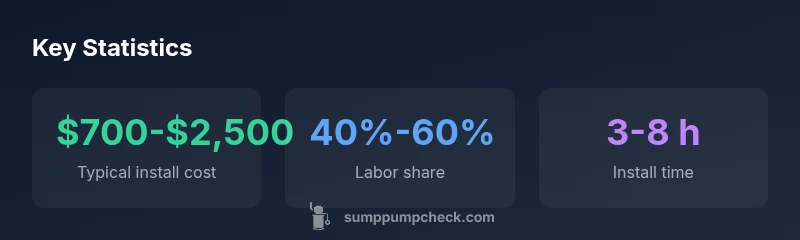
The typical cost to install a sump pump ranges from $700 to $2,500, depending on pump type, labor, and electrical work. Additional factors include basement layout, pit depth, and whether a battery backup is added, which can push costs higher. This quick snapshot reflects Sump Pump Check Analysis, 2026. Prices vary by region and contractor, so obtain several estimates.
What drives the cost of sump pump installation
When homeowners ask how much does sump pump installation cost, they’re really asking about a bundle of price drivers, not a single line item. The answer depends on the pump type (submersible vs. pedestals), horsepower, and features like automatic float switches, alarms, and battery backups. The Sump Pump Check team notes that 2026 costs span a broad range primarily because basement configurations vary widely, from open crawl spaces to cramped pits. In addition to the pump unit itself, electricians may need to install or upgrade a dedicated outlet, and plumbers might handle drainage and discharge piping adjustments. Regional labor rates and permit requirements also push price up or down. This is why getting multiple estimates is essential for an apples-to-apples comparison. According to Sump Pump Check, starting with a clear scope helps prevent sticker shock and reduces change orders later in the project.
Breaking down the cost components
A practical way to budget is to itemize the major components:
- Pump price: typically a residential unit ranges from $50 to $400 depending on features and durability.
- Labor: often the largest single cost, usually between $200 and $1,200, influenced by pit access, mounting height, and local labor rates.
- Electrical work: upgrading or installing a dedicated outlet can add $50 to $400.
- Discharge piping and trenching: $50 to $400, with higher costs if long runs or complex routing are required.
- Permits and inspections: can range from $0 to $300 depending on your city.
- Optional upgrades: battery backups, water-powered backups, or alarms may add $200 to $800 or more.
When you total these parts, the final price reflects not just the pump, but the complexity and safety features you choose. This breakdown helps homeowners compare bids line-by-line, which is a hallmark of good budgeting across the industry. Sump Pump Check Analysis, 2026 emphasizes seeking an itemized quote to avoid surprises later in the job.
Backup options and how they affect cost
Backups are a practical hedge against power outages and pump failure. A battery backup kit can cost roughly $200 to $800, with professional installation sometimes adding a similar amount. A secondary pump or a water-powered backup can push the total even higher but increases reliability during adverse events. When evaluating bids, weigh the upfront cost of a backup against potential damage costs from a flooded basement. The long-term savings are not always reflected in the initial price, but the peace of mind can be substantial for households in flood-prone areas. The Sump Pump Check team advises factoring backup purchases into your budget to avoid costly emergency fixes later.
Factors that can raise or lower the price
Several non-pump factors influence the installed cost:
- Basement accessibility: tight crawl spaces or stair restrictions can raise labor time.
- Pit depth and pit prep: deeper pits or the need to convert an existing cavity can add material and labor.
- Old piping and drainage: tying into existing drains or rerouting discharge lines may require additional fittings and trenching.
- Electrical upgrades: a dedicated circuit, GFCI protection, or weatherproof exterior outlets increase costs.
- Permits and inspections: city rules vary; some jurisdictions require permits that add time and fees.
- Geographic variation: regional wage differences and material availability significantly affect price ranges. Understanding these levers helps you plan for contingencies and avoid sticker shock when the final bid arrives.
How to get accurate estimates from contractors
To obtain reliable estimates, follow a structured approach:
- Define project scope clearly: pump type, backup options, and discharge routing in writing.
- Request itemized quotes from at least three licensed professionals to compare materials and labor separately.
- Ask for inclusions and exclusions: startup, testing, warranties, and permit fees.
- Seek a site visit for an on-site assessment rather than relying on phone estimates.
- Check references and confirm that the contractor will handle permits if required by your jurisdiction.
- Review the warranty terms: what is covered, duration, and what voids coverage. Following these steps improves pricing accuracy and reduces the likelihood of after-the-fact surprises. Sump Pump Check’s process emphasizes an in-person assessment and a transparent line-item quote to help homeowners make informed decisions.
Replacement vs repair: when to upgrade
If your current sump pump is older than 8–10 years or has had multiple failures or repair cycles, replacement is often more economical in the long run. Newer models offer higher efficiency, improved battery backups, and quieter operation, which can lower operating costs and improve reliability. A cost-conscious homeowner should price a full replacement against the cumulative repair costs over time and include possible upgrades like reinforced discharges or upgraded alarms in the comparison. The decision should factor in long-term peace of mind and the likelihood of future repairs, not just the immediate expense.
Maintenance costs after installation
Once installed, sump pumps require periodic maintenance to keep them reliable. Expect minimal ongoing costs for basic checks, but budget for battery backup battery replacements every 3–5 years and occasional sensor or float-switch inspections. Routine maintenance reduces the risk of costly failures during storms and power outages. Some homeowners opt for annual service plans offered by local contractors, which can average $100–$250 per visit depending on the scope of service. Regular maintenance is a small price to pay for flood protection and reduced emergency repair bills.
Value proposition: preventing water damage and long-term savings
The long-term value of a properly installed sump pump goes beyond the initial price tag. A well-designed system protects your basement from expensive water damage, mold growth, and structural issues that can far exceed installation costs. In regions with frequent heavy rainfall or rapid snowmelt, a dependable sump pump becomes a critical line of defense. While you may incur upfront costs, the potential savings from avoided floods, less insurance hassle, and better resale value can be substantial over the life of the home. The 2026 landscape suggests that investing in high-quality pumps and reliable backups yields better overall value, particularly when paired with proactive maintenance and timely replacements.
Typical cost breakdown for sump pump installation (2026)
| Cost Component | Typical Range | Notes |
|---|---|---|
| Pump Price | $50-$400 | Residential units vary by brand and features |
| Labor | $200-$1,200 | Depending on pit access, mounting, and local rates |
| Electrical work | $50-$400 | Outlet upgrades, GFCI, or dedicated circuit |
| Discharge piping | $50-$400 | Materials and routing length affect cost |
| Permits/inspections | $0-$300 | Varies by jurisdiction |
FAQ
What is the typical cost range to install a sump pump?
Typical install costs generally fall within a broad range, influenced by pump type, pit conditions, labor, and optional features. A precise quote requires an on-site assessment, but ranges help homeowners budget. This guidance is based on the Sump Pump Check Analysis, 2026.
Most installs fall within a defined range; an on-site estimate is best for accuracy.
Should I install a battery backup at the same time?
Yes. Battery backups reduce the risk of losing sump pump function during power outages and storms. Expect to add a few hundred dollars to the total and a modest ongoing maintenance budget.
Definitely consider a backup—it's worth the added cost for reliability.
Do I need permits for sump pump installation?
Permit requirements vary by city. Some installations don’t require permits, while others do, especially if drainage or electrical work is expanded. Always check local codes before starting.
Check with your city to confirm permit needs.
What maintenance costs should I expect after installation?
Maintenance costs are generally low, with occasional inspections and battery replacements. Some homeowners choose annual service plans through local pros for predictable budgeting.
Annual checks keep the system reliable and reduce surprise failures.
Can I install a sump pump myself to save money?
DIY can save money but involves safety and code risks. Most homeowners hire licensed pros for reliability, permits, and warranty coverage.
DIY may save money but carries risks; professional installation is safer.
When should I replace instead of repair?
If the pump is old (typically 8–10+ years), or fails repeatedly, replacement is usually more economical than ongoing repairs. Consider upgrades like better efficiency and backups.
If it’s old or failing often, plan for replacement.
“A clear, itemized estimate and a well-chosen pump size save homeowners money over the life of the system.”
Top Takeaways
- Get multiple quotes to lock in a fair price
- Account for pump type, backup, and trenching in cost
- Labor commonly dominates the total install cost
- Request an itemized estimate to avoid surprises
- Plan for maintenance and potential upgrades later