How to Replace Sump Pump: A DIY Guide
Learn how to replace a sump pump safely, choose the right unit, install it, and test performance. This comprehensive, step-by-step guide from Sump Pump Check covers safety, tools, and maintenance for reliable basement drainage.


This guide explains how to replace a sump pump safely and efficiently, including selecting the right replacement, removing the old unit, and installing the new one. You’ll need basic tools, electrical caution, and a dry work area. By following these steps, you can restore reliable water removal in your basement.
Preparation and Safety
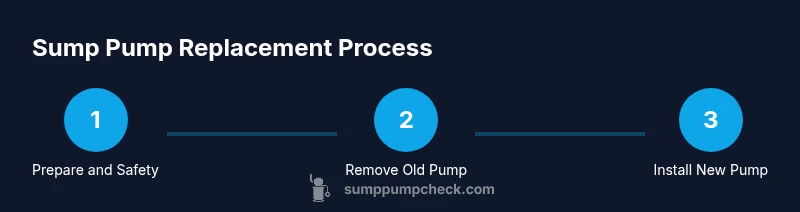
Replacing a sump pump requires careful safety steps to protect you and your home. Before you touch any electrical components or plumbing, turn off the power at the main breaker and unplug the pump if it’s plug-in. Remove the lid from the sump pit to inspect the interior for debris, and wear protective gloves and eye protection. Clear the area of stored belongings and place a light, non-slip mat around the pit to prevent slips. If your basement's electrical panel is in the same room, ensure the area is dry and free of water on the floor. If you notice damaged wiring, cracks in the pit, or a strong sewer smell, pause and call a licensed professional. According to Sump Pump Check, preparation and safety are the biggest contributors to a successful replacement. Having a plan reduces chaos, minimizes mistakes, and helps you identify the type of pump you’ll install. Keep a bucket, towels, and a flashlight handy, and consider using a temporary backup solution if you expect long downtime.
Understanding Your Sump Pump System
A sump pump is a small but critical component in a basement drainage system. There are two common styles: submersible pumps that live entirely in the pit, and pedestal pumps with the motor mounted above the pit. Each type has advantages: submersible units tend to be quieter and take up less vertical space; pedestal pumps are typically easier to service. Also review the float switch: vertical floats rise with water, while tilt-bloat sensors or electronic switches offer different response times. The discharge piping and check valve influence performance as water exits the pit. In addition, ensure your electrical circuit can handle the pump’s load and that GFCI protection is in place if the outlet is near the water. Sump Pump Check’s guidance emphasizes matching the replacement to your pit size, home plumbing, and climate. This step helps you avoid premature failure and ensures the system continues to protect your basement.
Choosing the Right Replacement Pump
Selecting the right replacement pump means aligning capacity with your home’s needs and your local climate. Look for a pump with adequate vertical lift (head) and a reliable float switch. Consider features such as a sealed motor, corrosion-resistant materials, and a robust check valve. Compatibility matters: the discharge pipe size, power requirements, and mounting style should fit your pit and existing plumbing. If you’re unsure, start with a common mid-range model known for durability and available parts. For those protecting a larger basement or dealing with frequent heavy rain, a pump with a stronger head and a battery-backup option provides extra reliability during outages. Finally, plan for the installation space around the pit and ensure you have easy access for future maintenance. Sump Pump Check’s reviewers note that choosing the right pump upfront reduces the likelihood of early replacement and service calls.
Handling Electrical Safety and Pit Access
Electrical safety is non-negotiable. Use a properly grounded outlet with GFCI protection whenever possible, and never touch live wires with wet hands. Before touching anything, verify that the circuit is de-energized with a non-contact tester. Access to the pit requires removing the cover and clearing debris, so you can inspect the base for rust or cracks. If the pit is in a tight crawl space, plan for tool access and consider removing the old unit from above rather than from below to avoid spills. Ensure your discharge line will not backflow into the pit or create a siphon effect. If you’re uncertain about wiring or if your pump has a non-standard plug, consult a licensed electrician.
Removing the Old Pump
With power off and the pit dry, begin by disconnecting the pump from the discharge line and any intake hoses. Remove mounting screws or bolts, then lift the unit straight up and out of the pit. Take photos during disassembly to help with installation later, and place all hardware in labeled containers. Inspect the pit for any signs of damage or corrosion around the mounting area and clean as needed. If the old unit shows excessive wear or cracks, plan to replace the seals and gaskets on the new unit or choose a different mounting kit. When removing the old pump, avoid tipping water onto the electrical components or surrounding wiring, and maintain a clean workspace to prevent slips.
Installing the New Pump
Set the new pump into the pit and align it with the mounting location. Attach the discharge pipe and check valve in the correct orientation, ensuring the valve opens toward the exterior. Secure the pump with mounting screws or brackets, and make sure there is clearance for the float switch to move freely. Use new gaskets and plumbers putty or sealant as recommended by the manufacturer to prevent leaks around the seal. Reconnect the intake hose and any sub-system connections per the pump’s instructions. If you’re using a battery backup, install it according to the manufacturer’s directions and verify the connection to the main power supply. Remember to keep wiring away from the moving parts and not to trap wires under the pump.
Testing the System
With the new unit connected and the pit dry, restore power and allow the pump to cycle after you fill the pit with water. Observe the pump as it activates and discharges to the exterior; listen for unusual noises or vibrations. Check for leaks around the check valve and the discharge connection. If the float switch sticks or fails to trigger, remove power and inspect the linkage or sensor alignment. Run a few test cycles to ensure consistent activation and deactivation. Keep a log of the test results and the water level at which the pump triggers to fine-tune settings if necessary. The pit should slowly drain and stay dry during and after operation.
Common Mistakes and How to Avoid Them
One common mistake is using an undersized pump that cannot handle your basement’s water load. Another error is skipping the check valve, which lets water back into the pit and defeats the purpose of the system. Failing to anchor the discharge piping and not protecting against backflow can cause leaks or mold growth. Never neglect electrical safety; always turn off power when working on the pump and verify that the circuit is protected. Finally, avoid mixing old and new components; a mismatched install can shorten the life of the new unit and lead to leaks.
Maintenance After Replacement
After you’ve completed the replacement, establish a simple maintenance routine. Inspect the pit monthly for any debris that could clog the pump, and clean as needed. Test the pump quarterly by adding water to the pit and letting it run through a full cycle. If you have a battery backup, test it at least twice a year to ensure it will operate during an outage. Keep spare gaskets, seals, and hoses on hand for quick replacements. Schedule an annual professional inspection if possible, especially if you notice odd noises or slower pumping. A proactive approach leads to fewer failures and more reliable basement protection.
Tools & Materials
- Replacement sump pump (submersible or pedestal)(Choose a unit that fits your pit size, discharge needs, and power supply; ensure manufacturer guidelines are followed)
- Discharge piping (PVC or flexible hose)(Longer runs should route away from the foundation with a clean, slope-driven exit)
- PVC primer and cement(For secure, long-lasting PVC connections)
- Gasket sealant or plumbers putty(Use if recommended by your new pump’s installation instructions)
- Clamps and connectors(Hose clamps or PVC fittings to secure lines)
- Pipe wrench or adjustable pliers(For disassembly and assembly of fittings)
- Screwdrivers (flat and Phillips)(For mounting screws and clamps)
- Wire stripper/cutters(Only if wiring adjustments are needed)
- Non-contact voltage tester(Verify power is truly off before handling any components)
- Safety gear (gloves, safety glasses)(Protect hands and eyes during replacement)
- Bucket and towels(Clean up spills and store components neatly)
Steps
Estimated time: Total time: 60-120 minutes
- 1
Turn off power and drain the pit
Locate the main breaker and switch off the circuit feeding the sump pump. Unplug the unit if it’s plug-in and use a non-contact tester to confirm there is no live voltage near the pit. Remove the pit cover and clear debris to create a safe workspace.
Tip: Take a quick photo of wiring and hose connections before disconnecting anything. - 2
Identify replacement type and fit
Compare the new pump’s size, power needs, and discharge connection with the existing setup. Confirm the pit dimensions accommodate the new unit and that the discharge path matches your exterior drainage.
Tip: Choose a pump with a slightly higher head rating if you have multiple bend turns in the discharge line. - 3
Disconnect and remove the old pump
Detach the discharge line and any intake hoses, then remove mounting bolts. Lift the old pump straight up and out of the pit, preserving hardware for reference. Clean the mounting surface and inspect for corrosion.
Tip: Keep bolts organized by label and store in a labeled container. - 4
Prepare the pit and install mounting
Inspect the pit base and mount the new pump in the same orientation as the old one. Ensure the float switch has full range of motion and isn’t obstructed by debris or wiring.
Tip: Apply fresh gaskets or sealant as recommended by the manufacturer. - 5
Connect discharge piping and check valve
Attach the discharge pipe and install the check valve, ensuring the valve orientation allows water to exit away from the pit. Use clamps or fittings to prevent leaks and keep the run as direct as possible.
Tip: Test-fit the pipe before finalizing connections to avoid misalignment. - 6
Reattach electrical connections
Reconnect the pump’s power supply and ensure any weatherproofing or GFCI protection is intact. If your system uses a battery backup, connect per the manufacturer’s instructions.
Tip: Never splice wiring in the pit; if you’re uncertain, consult a licensed electrician. - 7
Fill the pit and perform initial test
Slowly fill the pit with water to trigger the float switch. Observe the pump as it starts, operates, and stops. Listen for unusual sounds and watch for leaks at joints and the valve.
Tip: If it doesn’t cycle, check float clearance and wire connections. - 8
Verify leaks and secure connections
Inspect all joints, clamps, and the discharge exit for moisture. Tighten fittings as needed and reseal where necessary. Ensure the exterior discharge end is clear of obstructions.
Tip: Run a few longer test cycles to confirm stability. - 9
Document, cleanup, and schedule maintenance
Record model, serial, and date of replacement for future service. Clean up the work area, dispose of the old unit per local guidelines, and set a maintenance schedule for yearly checks.
Tip: Place a reminder on your calendar for annual professional inspection.
FAQ
Do I need a professional to replace my sump pump?
If you’re comfortable with basic plumbing and electrical work, you can replace the unit yourself. However, if you encounter cracked pits, persistent leaks, or unfamiliar wiring, it’s wise to call a licensed professional.
You can replace it yourself if you follow the steps, but call a pro if you see structural damage or wiring issues.
How do I know which replacement pump size I need?
Choose a pump with appropriate discharge capacity for your basement and the pit size. Match the pump to your local rainfall patterns and the pit’s dimensions; oversizing can waste power while undersizing can fail under heavy load.
Pick a pump that fits the pit and handles your area’s rain levels; bigger isn’t always better.
Is a battery backup worth it?
Yes, a battery backup provides protection during power outages, which are common during storms. It adds reliability when the primary pump can’t run, but ensure it’s properly installed and tested.
A backup is a smart safeguard, especially in storm-prone areas.
What should I do with the old pump?
Dispose of the old unit according to local regulations. If it is still functional, consider recycling components or donating it where appropriate.
Check local disposal rules and recycling options for old pumps.
Can I replace the pump myself or should I hire a pro?
Many homeowners can DIY a replacement with proper safety steps and tools. If you lack electrical experience or face a damaged pit, hire a pro.
If you’re unsure about wiring or structural issues, hire a professional.
How long does a sump pump replacement take?
A typical replacement can take about an hour or two depending on pit access and piping complexity. Plan for some extra time if you need to modify discharge lines.
Most replacements take a couple of hours, factoring in access and piping work.
Watch Video
Top Takeaways
- Power down and secure the area before starting
- Choose a pump that fits your pit and discharge needs
- Install a proper check valve and correct discharge routing
- Test thoroughly and monitor for leaks after installation
- Establish a maintenance routine for reliability