Sump Pump at Harbor Freight: A DIY Guide to Choosing, Installing, and Maintaining
A data-driven, practical guide to buying, installing, and maintaining a sump pump from Harbor Freight. Compare costs, features, and maintenance tips for DIY homeowners.


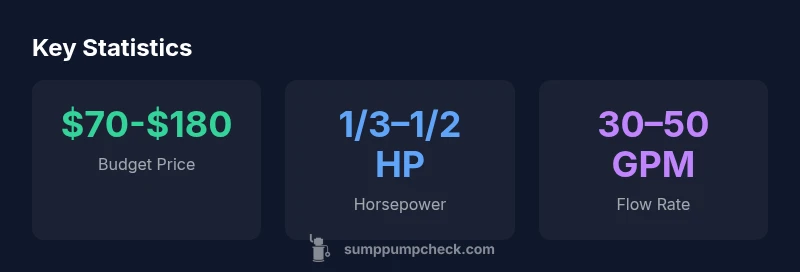
According to Sump Pump Check, Harbor Freight sump pump options typically cost in the range of $70 to $180, with common 1/3 to 1/2 HP models delivering about 30–50 gallons per minute. For DIY homeowners, these pumps can cover typical small basements, but pay attention to float switches, outlets, warranty length, and maintenance requirements.
Overview: Why DIYers Consider Harbor Freight Sump Pumps
According to Sump Pump Check, budget-friendly options from Harbor Freight can be an appealing starting point for homeowners confronting basement water issues. The appeal is clear: lower upfront costs, accessible locations, and straightforward installation for basic pits. When evaluating a sump pump at harbor freight, it’s essential to balance price with reliability, warranty terms, and deliverable features like an auto float switch and simple discharge configuration. Homeowners should assess their basement size, typical flood risk, and the be mindful that Harbor Freight products may emphasize value over premium materials. The goal is to select a model that meets your immediate needs without compromising safety and long-term performance. For many DIY projects, Harbor Freight’s pumps offer a practical first step, provided you follow installation guidelines and perform regular maintenance.
Harbor Freight vs. premium brands: What you get for the price
Budget pumps from Harbor Freight typically trade some advanced materials or feature polish for cost savings. The core should still be capable of removing water efficiently if installed correctly. Compared to premium brands, Harbor Freight pumps often use simpler housings and standard float switches, which can affect durability over time but still perform well in smaller sump pits. When you plan a "sump pump at harbor freight" purchase, consider your risk tolerance for outages, the local climate, and whether you need an integrated check valve or a back-up system. If your priority is a quick, low-cost installation for a monitored basement, Harbor Freight can be a sensible option. For heavy or continuous use, budget models may require more frequent maintenance or a planned replacement interval.
Key features to look for in a budget sump pump
When evaluating a sump pump at harbor freight, prioritize core mechanics: impeller design, pump housing material, and the presence of an auto float switch. Look for models with a cast-iron or steel impeller for durability, a corrosion-resistant body, and a float mechanism that reliably triggers at a safe water level. Ensure there is a grounded, GFCI-protected outlet nearby, and check if the unit includes a discharge pipe with a compatible diameter. A reliable pump should include a basic drain line attachment and a reasonable warranty window. A thoughtful reviewer will note whether the model supports easy maintenance and a simple replacement pump head, keeping a long-term maintenance plan in mind.
Sizing and space considerations for a small basement pit
Before purchasing a sump pump at harbor freight, measure your sump pit dimensions and estimate the water load you expect during heavy rain. A 1/3–1/2 HP model generally suffices for standard home basements, but larger or higher-volume pits may require more power or multiple pumps in a staged setup. Also, consider the vertical clearance under the standpipe and the distance to the discharge area. In tight spaces, you may need a compact model or a vertical discharge arrangement. Ensure the unit fits without obstructing maintenance access and that the power cord length accommodates a safe, grounded outlet position.
Installation basics for a Harbor Freight pump
Installation requires careful alignment of the pump in the sump pit, securing the discharge line, and ensuring the float switch has unobstructed travel. Start by cleaning the pit and placing the pump on a stable base. Attach the intake screen and verify the impeller turns freely. Run the discharge pipe to an appropriate drainage zone, and install a check valve to prevent backflow. Wire the unit to a grounded outlet with GFCI protection if possible. Finally, fill the pit with water to test the auto-on and auto-off action, listening for unusual noises. If you’re unsure, consult the manual or a local installer before sealing the pit.
Maintenance tips to extend life
Regular maintenance is essential for any sump pump, and budget models are no exception. Periodically remove debris from the intake, test the float switch monthly, and run the unit to clear the lines. Inspect the power cord, plug, and battery backup if you have one. A light lubrication of seals or o-rings during servicing can help extend life. Keep a basic spare parts kit, including a pump seal and discharge fittings, on hand for quick swaps. A proactive maintenance routine helps minimize failures and enhances reliability for a sump pump at harbor freight.
Troubleshooting common issues
When troubleshooting, begin with the simplest checks: confirm the unit is plugged in, the outlet is live, and the float switch moves freely. If the pump runs but doesn’t discharge, inspect the discharge line for clogs or kinks and verify the check valve is seated correctly. A repetitive beeping or error indication may require a reset or a board check. For power outages, consider a backup power solution like a battery backup system or a manual sump pump. Ensure you follow safety protocols to avoid electric shock or short circuits.
Backups and outage preparedness
Power outages are a common cause of basement flooding, so a backup power solution is worth considering when you buy a sump pump at harbor freight. A simple battery-backup system can keep the pump running during outages, reducing the risk of basement water intrusion. If you live in an area prone to storms, pairing a Harbor Freight pump with a backup option is a prudent move. The goal is to maintain water removal even when the primary power source fails, ensuring continued protection for your home.
Is a Harbor Freight pump right for you? When to upgrade
If your basement flood risk is moderate and you want a cost-effective entry point, Harbor Freight offers viable options. However, if you experience frequent floods, require high-volume drainage, or seek long-term reliability with extended service intervals, you may want to upgrade to a higher-end model or consider a backup system from the start. Assess your local climate, the pit size, and the water load to decide whether to upgrade now or defer until a maintenance cycle.
Is Harbor Freight the right choice for specific spaces?
For small spaces or tighter pits, Harbor Freight’s offerings can fit the bill, provided you carefully match the horsepower and flow rate to your needs. For larger basements or uses that demand steady, high-volume drainage, a more robust pump might be warranted. In all cases, plan for periodic testing and a backup strategy to protect against outages and power failures.
Harbor Freight sump pump vs. typical competitor options
| Feature | Harbor Freight Option | Competitive Alternative | Notes |
|---|---|---|---|
| Price range | $70-$180 | $120-$350 | Budget-conscious choice |
| HP | 1/3–1/2 | 1/2–1 HP | Common range |
| Flow (GPM) | 30–50 | 40–60 | Mid-range performance |
| Warranty | 1–2 years | 1–3 years | Check product specifics |
FAQ
Are Harbor Freight sump pumps reliable for basement drainage?
Harbor Freight sump pumps provide affordable protection for small to medium basements. Reliability depends on correct sizing, installation, and regular maintenance. For high-volume or flood-prone areas, plan for a backup option or upgrade to a more robust unit.
Harbor Freight pumps work for small to medium basements when sized correctly and maintained regularly; consider backups for reliability.
What should I check before buying a Harbor Freight sump pump?
Check the horsepower range, flow rate, and the presence of an auto float switch. Confirm the warranty length and whether a check valve is included. Review the discharge hose compatibility and ensure the unit fits your sump pit dimensions.
Look at horsepower, flow, warranty, and included accessories before buying.
Can Harbor Freight pumps be used with a battery backup?
Yes, you can pair many Harbor Freight pumps with a battery backup system. Verify that the backup solution matches the pump’s power requirements and that wiring is done safely. A backup helps maintain pumping during power outages.
You can use a battery backup with Harbor Freight pumps to stay protected during outages.
What maintenance does a Harbor Freight sump pump require?
Regularly inspect and clean the intake screen, test the float switch, and run the pump to clear lines. Check the power cord and plug, and replace worn seals or gaskets as needed. Keep spare parts on hand for quick swaps.
Do periodic checks and tests to keep it reliable.
Is a check valve necessary with Harbor Freight pumps?
A check valve helps prevent backflow and protects against short cycling. Many kits include one, but verify before installation and install it as close to the discharge point as possible for best results.
Yes, use a check valve to prevent backflow.
What is the best Harbor Freight sump pump model for small spaces?
For tight pits, look for compact designs with adequate suction and a reliable float switch. Compare dimensions to your sump pit and ensure compatibility with your discharge line. Consider a model with easy maintenance and a reasonable warranty.
Pick a compact model with reliable float switch for tight pits.
“Budget sump pumps can meet basic needs when properly installed and maintained; the key is understanding limits.”
Top Takeaways
- Assess needs before purchasing; Harbor Freight pumps suit basic basements.
- Verify float switch and discharge compatibility; ensure proper venting.
- Consider backup systems for power outages in flood-prone areas.
- Inspect warranty and serviceability; keep receipts and register.
- Maintain regularly to extend life and avoid nuisance beeping.