Installing and Maintaining the Liberty SJ10 SumpJet Water-Powered Backup Pump
Learn to install and maintain the Liberty SJ10 SumpJet water-powered backup pump. This guide covers prerequisites, safety, setup steps, and routine maintenance to protect your basement during power outages.


Goal: install and maintain the Liberty SJ10 SumpJet water-powered backup pump to protect your basement during power outages. Prerequisites include a city water supply, a proper sump pit, correct piping, and a compliant check valve. This quick answer previews essential setup steps, safety checks, and routine maintenance for reliable operation.
Liberty SJ10 SumpJet Water-Powered Backup Pump Overview
The Liberty SJ10 SumpJet is a water-powered backup pump designed to kick in when your home power goes out. It uses the pressure of city water to operate a venturi jet pump, moving water from your sump basin to a discharge line. This design means the backup pump does not rely on electrical power to operate, which can be a critical advantage during outages. According to Sump Pump Check, water-powered backups like the SJ10 provide a practical electricity-free option for basic basement protection, though they depend on available water pressure and a properly configured drain. The SJ10 is typically installed as a secondary unit in the sump pit, coordinating with your primary submersible pump to keep water under control during emergencies.
The Sump Pump Check team found that proper installation, regular checks, and compatible plumbing are essential for reliable performance. In real-world homes, homeowners report that the SJ10 can help reduce flood risk when the main pump fails or when power is out, especially in tight spaces where a full battery backup may be less feasible. This overview sets the stage for a deeper dive into installation, maintenance, and practical considerations.
How Water-Powered Backups Work
Water-powered backups like the SJ10 operate by using municipal water pressure to drive a high-velocity jet inside the pump. This jet entrains sump water and pushes it through discharge piping to the exterior, usually without needing electrical power. Because the system relies on the home's water supply, a dedicated shut-off valve and a properly sized feed line are critical. The design is inherently simple: water pressure creates the motive force, the jet creates suction to move sump water, and the discharge carries it away from the foundation. Regular maintenance ensures that seals remain tight and the jet remains unobstructed. Sump Pump Check’s analysis notes that consistent water supply and proper configuration are essential for dependable operation.
Key Features and Safety Considerations
- No home electrical power is required for pumping action, reducing outage risk.
- Requires a reliable city water supply with adequate pressure.
- Must be installed with a discharge line that terminates away from the home and a functional check valve to prevent backflow.
- Use a dedicated shut-off valve to isolate the system for maintenance.
- Water supply lines and connections should be corrosion-resistant and properly sealed.
Safety considerations include ensuring proper venting, maintaining a clean sump pit, and avoiding cross-connection with potable water lines. Regular inspections help detect leaks or wear before they become problems. Remember to follow local codes and manufacturer guidelines for installation and operation.
Installation Prerequisites and Site Prep
Before you begin, verify that your sump pit is compatible with the SJ10, and confirm you have enough space for service access. Plan the water feed route from the nearest cold-water line, and identify a clear discharge path away from the foundation. Check local codes related to cross-connection controls, backflow prevention, and venting requirements. Gather the tools and materials listed in the Tools & Materials section, and make a simple schematic of your piping layout so you can reference it during assembly. As you prepare, ensure the area around the sump pit is clean and dry to prevent slips and tool damage.
A note from the brand: ensure a proper shut-off valve is installed on the supply line, and verify that the discharge location is free of obstructions and compliant with drainage rules. The SJ10 installation benefits from careful planning and adherence to the manufacturer’s instructions.
Common Setup Scenarios and Use Cases
The SJ10 excels in homes where power outages are common or where a secondary line for backup protection is desired. In multi-story homes, ensure the discharge can gravity-feed away from the structure and avoid vertical routing that could impede flow. For smaller basements, a compact footprint and accessible piping make servicing easier. In areas with variable water pressure, a pressure regulator may be needed to maintain consistent jet speed without overpressurizing fittings. While a water-powered backup provides a practical electricity-free option, it is not a substitute for a primary sump pump in all situations. Evaluate your risk factors and select the backup strategy that best suits your home’s flood history and water quality.
Maintenance and Troubleshooting
Maintenance is straightforward but essential for reliability. Periodically inspect connections for leaks, verify the shut-off valve operates smoothly, and ensure the discharge line remains clear. Flush the supply line to remove mineral buildup, and check the venturi jet for debris. If water flow slows, inspect for mineral deposits, kinked hoses, or clogged fittings and clean or replace as needed. Test the system by briefly opening the water supply to confirm jet action and confirm that the discharge line carries water away from the foundation. Keep a log of maintenance dates and any part replacements to track performance over time.
Comparing Backups: Water-Powered vs Electric vs Battery
Water-powered backups like the SJ10 offer a passive option that does not rely on household electricity, which can be a major advantage during outages. Electric backup pumps typically require proper wiring and a power source, while battery backups provide short-term resilience but depend on battery health and capacity. When evaluating options, consider your local water pressure, maintenance willingness, space constraints, and budget. A layered approach—combining a primary electric pump with a water-powered backup—often yields the most reliable protection for basement drainage.
Safety, Codes, and Best Practices
Always consult local codes and obtain any necessary permits before installation. Use dedicated water feed lines, backflow prevention, and check valves to prevent cross-connection with drinking water. Ensure the discharge is properly routed to a sanitary or storm drain as permitted, and avoid discharging toward the foundation. Regularly test the system and keep records of inspections. Consider pairing the SJ10 with an additional backup or alert system for enhanced protection.
Getting the Most from Your SJ10: Quick Start Checklist
- Confirm water supply availability and pressure adequacy.
- Inspect the sump pit and prepare a clean, dry workspace.
- Install SJ10 with all fittings tight and leak-free.
- Attach discharge piping with a check valve and ensure it drains away from the house.
- Schedule monthly checks of fittings and a yearly full system test.
- Maintain a maintenance log with dates and notes.
Quick Start Checklist (Concise)
- Verify water supply and pit readiness.
- Install SJ10 and connect discharge with valve.
- Test jet action and runoff path.
- Establish a maintenance calendar and keep notes.
Tools & Materials
- Liberty SJ10 SumpJet Water-Powered Back-Up Pump(SJ10 unit as specified by Liberty Pumps)
- Shut-off Valve(to isolate water supply during service)
- Discharge Piping Adapter(2-3/4 in or matching pit adapter)
- Check Valve(prevents backflow into sump)
- Flexible Water Supply Line(connects to potable water supply)
- Pipe Cutter / Wrench Set(for cutting and tightening fittings)
- Teflon Tape(sealing for threaded connections)
- Safety Gear (gloves, eyewear)(basic protection during installation)
Steps
Estimated time: 2-4 hours
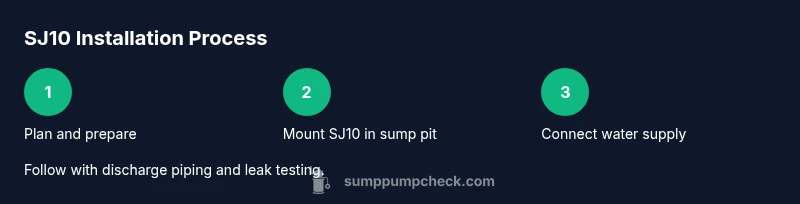
- 1
Plan and prepare
Review the SJ10 manual, measure the sump pit, and map the water feed and discharge routes. Confirm there is adequate space for maintenance and service access.
Tip: Double-check that the discharge path will not drain toward the home or create a new property issue. - 2
Mount SJ10 in sump pit
Carefully place the SJ10 in the sump pit with the unit level and the intake unobstructed. Ensure the unit is oriented for easy access to fittings and valve placements.
Tip: Use a non-slip pad under the unit to reduce movement during testing. - 3
Connect water supply and shut-off valve
Attach the cold-water supply line to the SJ10 inlet using Teflon tape and tight fittings. Install a shut-off valve within easy reach for maintenance.
Tip: Do not overtighten fittings; use a wrench to snug and then a quarter-turn by hand. - 4
Install discharge piping with check valve
Run the discharge piping from the SJ10 to an approved exterior or drain location. Install a check valve to prevent backflow and ensure the line is securely supported.
Tip: Slope the discharge slightly downward toward the drain to promote drainage and prevent standing water. - 5
Seal joints and verify fit
Apply sealing material where needed and validate all connections for tightness. Do a preliminary dry-fit to confirm correct alignment before final tightening.
Tip: Recheck after initial test to catch any slow leaks that develop under pressure. - 6
Test operation and simulate outage
Turn on the water supply to verify jet action and discharge. Simulate a power outage by shutting off power to the primary pump (if applicable) and observe backup flow.
Tip: Record the results and listen for abnormal noises indicating misalignment or debris in the jet. - 7
Document and schedule maintenance
Create a simple maintenance plan with monthly checks and an annual service. Keep notes on wear, leaks, or performance changes.
Tip: Set calendar reminders and keep a spare parts kit on hand for quick repairs.
FAQ
What is a water-powered backup sump pump?
A water-powered backup sump pump uses city water pressure to drive a jet pump that moves sump water to a discharge line. It operates without relying on home electricity, providing an outage-resilient option.
A water-powered backup uses city water pressure to move water out of the sump, so it can work even when the power is out.
How does the Liberty SJ10 SumpJet work?
SJ10 relies on water pressure to create a jet that entrains sump water and sends it to the drain. It’s designed as a backup to protect against flooding when primary pumps fail or power is unavailable.
The SJ10 uses water pressure to drive a jet that removes water from your sump during outages.
What plumbing is required for installation?
A dedicated cold-water supply line with a shut-off valve, proper discharge piping, and a check valve are essential. Follow local codes for backflow prevention and venting where required.
You’ll need a dedicated cold-water line, a shut-off valve, a discharge path, and a check valve.
Can SJ10 replace my primary sump pump?
No. SJ10 is intended as a backup and to reduce flood risk during outages. A primary electric pump remains necessary for ongoing daily protection.
No—it's a backup, not a replacement for your primary sump pump.
How often should I service the SJ10?
Perform basic checks monthly and a full inspection annually. Replace worn fittings or corroded parts as soon as they are found.
Check it monthly and inspect everything once a year.
What safety considerations should I follow?
Ensure proper backflow prevention, correct discharge routing, and compliance with local codes. Use protective gear and verify all connections are sealed to prevent leaks.
Follow backflow rules and keep connections tight and dry to avoid leaks.
Watch Video
Top Takeaways
- Install SJ10 with correct water supply and discharge routing.
- Maintenance is essential for reliable backup performance.
- Water-powered backups require proper check valves and venting.
- Combine with other protections for maximum basement safety.