Elevator Sump Pump Installation: Step-By-Step Guide
Learn how to safely install an elevator sump pump in your elevator pit. This practical guide covers sizing, components, wiring, back-up power, and maintenance for reliable water removal.


This guide shows you how to install an elevator sump pump in an elevator pit, from initial planning to testing and maintenance. You’ll learn sizing considerations, necessary components, and essential safety steps to ensure reliable water removal without compromising the elevator system. Follow these steps with attention to code requirements and local permits.
Understanding Elevator Sump Pump Installation
Water in an elevator pit can compromise elevator operation, cause corrosion, and create slip hazards. An elevator sump pump is designed to continuously remove standing water from the pit, directing it to a suitable drain or exterior discharge. Choosing the right type—submersible in-pit pumps or pedestal pumps outside the pit—depends on pit size, available space, and maintenance access. In most installations, a dedicated, seal-rated pump with a float switch provides automatic operation, while a backup option ensures continued drainage during power outages. As you plan, consider how the elevator system interacts with electrical panels, control logic, and drainage paths. The goal is a reliable, code-compliant solution that minimizes water-related downtime and maintenance needs.
According to Sump Pump Check, elevator sump pump installations require careful coordination between HVAC/plumbing, electrical, and elevator mechanics. The team emphasizes documenting pit dimensions, power routes, and discharge routing up front to avoid rework. You’ll also want a clear maintenance plan that covers annual inspections and prompt replacement of worn parts to preserve elevator reliability.
Safety and Codes You Must Follow
Safety and codes govern every aspect of elevator sump pump installation. Start by checking local building codes and elevator-specific requirements in your jurisdiction, including permits and inspections. In most cases, the electrical work should be performed by a licensed electrician and compliant with national standards such as the National Electrical Code (NEC) and any elevator manufacturer guidelines. The system should be protected by a GFCI outlet or a protected circuit, and all wiring must be kept dry and away from moving parts. Use corrosion-resistant materials rated for wet environments and ensure the pit has a sealed cover if access doors are used. Lockout/tagout procedures should be implemented during installation to prevent accidental operation while work is underway. Proper sealing around the sump basin is essential to prevent leakage into other equipment and to avoid mold and corrosion in the pit area.
Sump Pump Check’s analysis highlights the importance of documenting all safety features, including alarms, overflow protections, and bypass routes that do not compromise elevator function. By following these guidelines, you reduce the risk of electrical faults, water ingress, and code violations while maintaining easy access for routine maintenance.
Sizing and Planning the System
Sizing the elevator sump pump involves understanding the pit volume, the typical water inflow rate, and the desired response time for water removal. Start with pit dimensions, then assess whether you need a single pump with a high head height or a dual-pump arrangement for redundancy. Plan discharge routing that keeps water away from the building’s foundation and away from walkways or electrical enclosures. Consider seasonal factors such as rainfall intensity or groundwater levels that could affect inflow. While exact numbers will vary, aim for a system that can handle peak inflow without overwhelming the pit during a typical rain event. Document the expected duty cycle and ensure the pump can operate automatically without manual intervention. The goal is to select a pump whose hydraulic head and flow rate meet the elevator pit’s drainage needs while fitting inside the pit footprint.
Professional guidance and manufacturer curves can help translate pit dimensions into a sizing decision. Sump Pump Check recommends creating a sizing worksheet that includes pit volume, observed inflow rates, and a planned schedule for annual checks of pump capacity and float switch operation.
Required Components and Their Roles
A reliable elevator sump pump installation relies on proper components working in concert. Core items include a submersible or pedestal pump with a float switch for automatic activation, a check valve to prevent backflow, and a discharge pipe that safely directs water away from the pit and building. Add a secondary containment basin or sump pit with a proper lid, sealing gaskets, and corrosion-resistant fittings. A power supply dedicated to the pump is essential, ideally with a GFCI-protected outlet. For enhanced reliability, consider a battery backup sump pump or a standby generator to ensure water removal during power outages. Alarm systems (audible or visual) that warn of high water or pump failure help maintenance teams respond quickly. Proper venting and drainage slope must be accounted for to prevent airlocks and stagnation in discharge lines.
The Sump Pump Check team stresses that every component should be rated for wet environments and compatible with elevator pit conditions, including clearance around moving parts and inspection access for maintenance.
Pit Preparation and Mounting the Pump
Begin with a clean, dry pit surface. Remove debris, scale, and loose concrete chips that can clog the pump or block float movement. Mount the pump securely on a stable base or pedestal, ensuring the float switch can move freely without snagging. If installing a submersible pump, place it on a stable stand at the bottom of the sump to prevent sediment from short-circuiting the impeller. Verify that electrical leads are routed away from damp areas and protected from potential water spray. Seal any joints to prevent leaks and ensure the pump is level to avoid premature wear. Attach the discharge line with appropriate clamps and ensure all fittings are tight to prevent leaks that could undermine the pit’s water management.
A proper mounting strategy reduces vibration, extends pump life, and makes maintenance easier. The maintenance crew should have clear access routes to the pump, float switch, and discharge connections.
Piping, Discharge, and Backflow Prevention
Discharge piping should route water away from the building and avoid recirculation into HVAC or other systems. Use rigid PVC or ABS pipe where possible, with flexible connectors to accommodate vibration and building movement. Install a check valve to prevent backflow when the pump cycles off, and ensure the discharge line has a downward slope to avoid standing water. If the discharge exits above grade, consider a splash guard or drip edge to protect the walls and foundation. Incorporate a clean-out access point for maintenance and debris removal. For systems with long discharge runs, an air-release valve can help prevent airlocks that hamper pumping efficiency.
Sump Pump Check notes that clean, accessible discharge that does not cross pedestrian zones increases safety and reduces nuisance alerts while keeping the elevator pit compliant with drainage standards.
Electrical Requirements and Backup Power
Electrical safety is critical in elevator pits. Run a dedicated, grounded circuit to a hard-wired or plug-in sump pump, protected by a GFCI if permitted by code. Use weatherproof enclosures and corrosion-resistant wiring, with strain reliefs to prevent loosened connections. A float-switch or level-control must be wired to automatically start and stop the pump as water levels change. For reliability during outages, add a battery-backed sump pump or a dedicated standby generator with automatic transfer. Install audible and visual alarms to alert staff of pump failure or high-water events. Document wiring diagrams and test procedures for routine checks and any required permit inspections.
Following best practices reduces the risk of electrical faults and ensures the elevator system remains safe and operable through adverse conditions.
Maintenance, Testing, and Troubleshooting
A maintenance schedule should include monthly visual checks of the pump, float switch, and discharge line, plus a quarterly test run to confirm continuous operation. Clean the intake screen and check for sediment build-up that can reduce performance. Test the backup power source at least twice a year and verify alarms function correctly. If the pump cycles frequently or runs without lifting water, inspect for clogs, valve issues, or float misalignment. Record every maintenance action and any observed anomalies to support long-term reliability and code compliance. Address minor issues promptly to prevent major failures that could impact elevator operations.
Keep spare seals, gaskets, and clamps on hand to minimize downtime. Use a parts inventory checklist to ensure quick replacement during routine service.
Common Pitfalls and Best Practices
Common mistakes include underestimating pit water inflow, selecting pumps without considering head height, and neglecting backup power. Another pitfall is routing discharge toward walkways or electrical equipment, creating safety hazards and corrosion risks. To avoid these, perform a thorough pit assessment, use properly rated components for wet environments, and design discharge paths with adequate clearance. Always verify permit requirements and engage qualified professionals for electrical work. Establish a documented maintenance routine and train staff on alarm response procedures. By following these best practices, you reduce downtime, extend equipment life, and maintain elevator reliability even during heavy rainfall or groundwater events.
Tools & Materials
- Sump pump (submersible or pedestal)(Select one with a suitable head height and automatic float switch)
- Check valve(Prevents backflow when the pump stops)
- Discharge piping (PVC/ABS)(Rigid pipe preferred; include fittings for bends)
- Flexible connectors(For vibration and alignment)
- GFCI-protected outlet or dedicated circuit(Grounded and weatherproof location)
- Electrical conduit/wiring (appropriate gauge)(Follow local codes and electrician guidance)
- Float switch or level control(Automatic start/stop control)
- Back-up power option (battery backup pump or generator)(Enhances reliability during outages)
- Alarms (audio/visual)(Detected high water or pump failure)
- Sealant/plumber’s tape(Seal threaded joints to prevent leaks)
- Mounting base or pedestal(Sturdy support to minimize vibration)
- Tools: wrench, screwdriver set, pliers(Basic hand tools for assembly)
- Measuring tape and level(Ensure safe, level installation)
- Safety gear (gloves, goggles)(Protect during cutting and assembly)
Steps
Estimated time: 2-6 hours
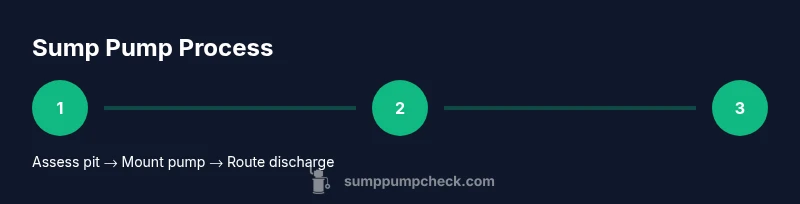
- 1
Assess pit and plan layout
Review elevator pit dimensions, confirm water inflow patterns, and sketch the pump, discharge path, and backup power plan. Ensure clear access for maintenance and wiring routes that comply with code.
Tip: Take measurements from several angles to avoid missing obstacles. - 2
Gather required parts and tools
Assemble pump, check valve, discharge piping, fittings, float switch, and electrical components. Confirm you have a suitable power source and safety gear.
Tip: Double-check compatibility of fittings with your chosen pipe material. - 3
Prepare and clean the pit
Vacuum or scoop out standing water, remove debris, and scrub surfaces. Dry the pit to inspect seals and mounting surfaces before installation.
Tip: A clean pit helps prevent clogging and reduces vibration. - 4
Mount the pump and secure the base
Position the pump on a stable base, ensuring the float switch has full range of motion. Tighten mounting hardware to minimize vibration during operation.
Tip: Use a level to confirm the base is truly horizontal. - 5
Install discharge piping and check valve
Connect piping from the pump discharge to the exterior routing. Install a check valve and ensure a continuous downward slope away from any structures.
Tip: Apply thread sealant to threaded joints and hand-tighten before final torque. - 6
Run electrical wiring safely
Route conduit away from moisture and moving parts. Install a GFCI or dedicated circuit and connect the pump to the float switch, following manufacturer diagrams.
Tip: Have an electrician verify wiring diagrams before energizing. - 7
Install backup power and alarms
Add a battery-backed secondary pump or generator and wire an audible/visual alarm for high-water or pump failure.
Tip: Position alarms where staff can hear or see them clearly from the elevator control area. - 8
Test the system and inspect for leaks
Fill the pit to trigger the pump; observe automatic start/stop and discharge flow. Check all joints for leaks and verify drainage direction.
Tip: Run a full test with backup power engaged to confirm reliability. - 9
Document, train, and schedule maintenance
Create maintenance log, train operators, and set reminders for monthly checks and annual professional inspection.
Tip: Keep spare parts on hand to minimize downtime.
FAQ
Is elevator sump pump installation a job for a licensed professional?
Yes. Elevator sump pump work involves electrical, plumbing, and elevator safety considerations. Most jurisdictions require permits and professional installation to ensure code compliance and safe operation.
Yes. This work typically needs a licensed professional due to electrical and safety requirements.
Do I need permits or code approvals for installing a sump pump in an elevator pit?
Permits are commonly required, and elevator-specific guidelines may apply. Check with your local building department and elevator manufacturer for approved procedures.
Permits are often required; check with the local authorities and the elevator maker for approved methods.
What backup power options should I consider for elevator pits?
Consider a battery-backed backup sump pump or a standby generator with automatic transfer to maintain drainage during outages.
Battery-backed pumps or a generator with automatic transfer help keep the pit dry during power failures.
How often should I test the system after installation?
Run monthly checks of the pump, float switch, and alarms; perform a full system test at least quarterly.
Test the pump monthly and do a full system test every few months.
What maintenance tasks are essential for reliability?
Clean intake, inspect seals, verify discharge clearance, and verify backup power readiness during scheduled maintenance.
Keep the intake clean and check the backup power in your maintenance routine.
What signs indicate the pump might be failing?
Frequent cycling, unusual noises, slow drainage, or alarms indicating high water are red flags that require inspection.
Watch for frequent cycling, strange noises, or alarms—these signal trouble.
Watch Video
Top Takeaways
- Plan with code and safety in mind.
- Select components rated for wet environments.
- Test the system under normal and backup power conditions.
- Maintain a simple maintenance schedule for reliability.