What to Do With a Sump Pump During Power Outages
Learn practical steps to protect your basement when the power goes out. This guide covers backup power options, safety checks, and a simple outage drill to prevent flooding.


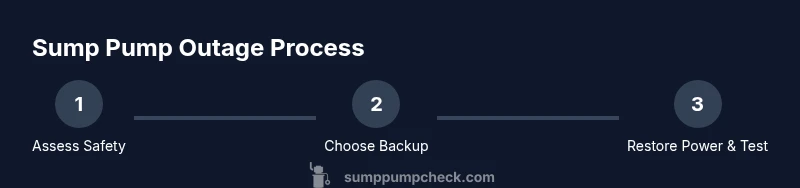
During a power outage, your sump pump cannot operate unless you have a backup power plan. Start by ensuring safety, then implement one of these backups (generator, battery backup, or manual sump operation) and keep an emergency battery-powered submersible pump ready. Test your backup options when power is restored to prevent flooding and reinstall power to resume normal function.
Why outages matter for sump pumps
According to Sump Pump Check, power outages disable the sump pump at a moment you most need it, which can abruptly raise the risk of basement flooding if no backup plan is in place. Sump systems are designed to remove groundwater, but when electricity fails, gravity and passive drainage cannot compensate. Homeowners should view outages as a critical maintenance event, not a temporary inconvenience. A planned approach reduces water intrusion, protects stored belongings, and minimizes costly repairs. This section lays the groundwork by explaining how electricity, backups, and drainage interact, so you can make informed decisions during a stressful outage. The core takeaway is simple: be proactive, not reactive, and ensure you have a tested plan before the next storm or blackout hits.
- Basements are particularly vulnerable to power gaps because many pumps are located in pits that rely on electricity to run.
- Backup strategies should be matched to your basement size, existing drainage, and local flood risk.
- Regular drills help validate your readiness and prevent panic when a real outage occurs.
Safety first during a power outage
The moment power goes out, safety should be your top priority. Do not enter a dark, flooded basement; use a flashlight instead of candles to reduce fire risk. If you can safely reach the main electrical panel, switch off nonessential circuits to prevent shock hazards when power returns. Move people and pets to higher ground and keep children away from wet areas.
If you have a generator, operate it outdoors in a well-ventilated area, at least 20 feet from doors and windows. Never run a generator indoors or in a garage, even with doors open, as carbon monoxide is a silent threat. Use outdoor-rated extension cords and avoid daisy-chaining multiple cords. These steps protect you while you implement your backup plan.
Immediate checks you can perform (safe, non-technical)
When it’s safe, confirm the basement is not accumulating water and check for visible leaks near the sump pit. If you notice a critical overflow risk and cannot address it with backup power, consider temporary water diversion strategies such as directing flow away from the house using sandbags or barriers. Do not attempt to seal large cracks without professional guidance. Document the outage with photos for insurance purposes if damage occurs. These quick checks help you identify whether you can reduce risk while a backup solution is deployed.
Backup power options explained
Backup power for sump pumps typically falls into three categories: battery backup systems, portable generators, and manual backups. Battery backups are compact and quiet, and they automatically engage when the main pump loses power. Portable generators require setup and a transfer switch or proper wiring to prevent backfeeding and ensure safe operation. Manual backups include hand pumps or temporary pumps that you can operate without electricity. Each option has trade-offs in cost, reliability, and ease of use; your choice should reflect your risk tolerance, climate, and how often outages affect your home. Always plan for the maximum expected water inflow and test backups regularly.
Battery backup sump pumps: setup and care
A battery backup system uses an auxiliary battery to power the sump pump when the main power fails. Start by confirming compatibility with your existing pit size and pump horsepower. Install the backup battery in a dry, ventilated area and connect it according to the manufacturer’s instructions. Test the system by simulating a power loss to ensure the switch engages smoothly and the pump runs without interruption. Maintain the battery by keeping it charged and inspecting terminals for corrosion. Regular checks reduce the chance of a dead battery during a real outage.
Generators: safe usage with a sump pump
Portable generators can bridge the gap during outages, but they require careful placement and connection. Place the generator outdoors on stable, flat ground, away from doors and windows to minimize CO exposure. Use a transfer switch or a listed interlock kit to connect the sump pump to the generator, avoiding backfeed into the house electrical system. Avoid running cords under doors or through windows; protect cords from moisture and wind. If you’re unsure about wiring, hire a licensed electrician. This approach provides powerful backup with clear safety boundaries.
Manual pumping and water handling during outages
In extreme outages without powered backups, manual water removal is your last resort. Use a sturdy bucket, a hand pump, or a small portable pump powered by a battery if available. Work safely from the edge of the pit, and avoid standing water if electrical devices or outlets are nearby. Establish a routine: remove water, monitor for rising levels, and document changes. While manual methods are labor-intensive, they can prevent immediate flooding when no power is available.
Maintenance and testing of backups
Prevention requires routine maintenance. Schedule monthly tests of battery backups, including battery charge checks and interlock verification. Verify that generators are stocked with fuel in a safe, ventilated area, and that cords and extension cables are in good condition. Conduct an annual professional inspection of sump pump components, including the discharge line, check valve, and lid. A structured maintenance plan minimizes the chance of failure when power returns and reduces overall risk to your home.
Prevention and resilience: long-term planning
To reduce flood risk, consider upgrading to a higher-capacity sump pump or adding a secondary pump. Install a reliable backflow prevention valve to stop water from re-entering the pit. Add water sensors or alarms to alert you of elevated sump levels, a critical feature during outages when you may be away from home. Combine these steps with a robust backup plan and regular drills so outages become predictable challenges rather than emergencies. The goal is resilience: fewer floods, less damage, and faster recovery after power returns.
Authority sources and further reading
For authoritative guidance on electrical safety and flood preparedness, consult reputable sources such as FEMA, OSHA, and NFPA. These organizations provide practical, science-based recommendations that align with home plumbing and electrical safety best practices.
- FEMA: https://www.fema.gov
- OSHA: https://www.osha.gov
- NFPA: https://www.nfpa.org
Tools & Materials
- Flashlight (waterproof) and spare batteries(Keep near sump pit; avoid reliance on phone light during outage)
- Battery-powered backup sump pump or spare submersible pump(Ensure compatibility with existing wiring and plug type)
- Portable outdoor generator (optional)(Outdoors, with transfer switch or heavy-duty extension cords)
- Outdoor-rated extension cords(Do not run cords through doors or windows; keep dry)
- Transfer switch or inlet box(Essential for safe generator integration with home's electrical system)
- Manual water removal tools (bucket, hand pump)(Useful as a last-resort backup)
- Drainage barriers (sandbags or compression boards)(Helpful to redirect water away from the pit during outages)
- Battery maintenance kit (wrenches, contact cleaner)(Keep corrosion-free connections)
Steps
Estimated time: Total time: 2-4 hours (depending on outage duration and backup options)
- 1
Assess safety and prepare
Before doing anything, ensure you and your family are safe. If there is standing water, avoid entering. Check that you can reach the main electrical panel safely and determine if any immediate actions are needed to reduce electrical hazards.
Tip: Wear rubber-sole shoes and use a dry path to avoid slips or shocks. - 2
Identify backup option
Decide whether you will use a battery backup, a portable generator, or a manual pump as your immediate solution. Confirm compatibility with your sump pit and pump. If multiple options exist, pick the fastest-to-deploy method.
Tip: Keep backups in accessible locations and ensure spare parts are ready. - 3
Prepare the backup power source
If using a battery backup, verify charge and connection. If using a generator, place it outdoors and prepare the transfer method (switch or inlet). For manual backup, gather the required hand tools and a plan.
Tip: Do a quick dry-run to confirm everything engages properly when power is restored. - 4
Connect or deploy the backup
Connect the sump pump to the backup power source according to safety guidelines. If using a generator, never backfeed the house; use a transfer switch. Ensure cords are dry and protected.
Tip: Never run a generator indoors or near open windows. - 5
Initiate water removal
Start the backup pump or hand pump and begin removing water from the sump pit. Monitor the water level steadily; stop only when the level is clearly controlled and the primary power is still out.
Tip: Operate at a steady pace to avoid splashing and overflow. - 6
Monitor and document
Keep track of pump operation, battery levels, and any water inflow changes. Take photos if damage occurs for insurance or records. This helps inform future outages and maintenance.
Tip: Note the time outages began and ended for future planning. - 7
Test when power returns
Once electricity returns, test the main sump pump and backup to ensure both operate and disengage correctly. Check the discharge line for leaks and confirm the check valve is sealing properly.
Tip: Run the pump for several minutes to confirm proper cycling. - 8
Reset and store backups
If you used a generator, shut it down safely and store fuel properly. If battery backup was used, recharge or replace the battery. Return cords and tools to their designated spots.
Tip: Inspect connectors for corrosion and replace as needed. - 9
Schedule routine maintenance
Set a reminder for monthly checks on backup systems and a yearly professional inspection of the sump and discharge setup. Regular practice reduces failure risk during actual outages.
Tip: Keep a simple log of maintenance tasks and outcomes. - 10
Plan long-term improvements
Consider installing a higher-capacity pump, an additional backup pump, or a robust battery system if outages are frequent in your area. Pair this with a moisture alarm and backflow prevention to minimize flood risk.
Tip: Consult a pro for complex upgrades and permit requirements. - 11
Implement prevention measures
Upgrade discharge piping, install a check valve, and ensure drainage paths direct water away from the foundation. Use waterproofing measures to reduce overall basement vulnerability.
Tip: Combine prevention with a simple, tested outage drill for readiness. - 12
Review and refine your plan
After an outage, review what worked and what didn’t. Update your backup strategy, re-check equipment, and adjust the maintenance schedule as needed.
Tip: Involve all household members in the drill so everyone knows the steps.
FAQ
What is the most reliable backup for a sump pump during a power outage?
The most reliable backup depends on your space and risk. A battery backup is quick to deploy and silent, while a portable generator provides robust power for longer outages. A well-planned combination often works best.
Typically, a battery backup is the quickest, with a generator useful for longer outages. If you’re unsure, start with a battery backup and consider a generator for extended outages.
Can I operate my sump pump without electricity at all?
Yes, with a manual backup or a battery-powered pump. Manual pumping requires effort and time, but it can stop water from accumulating when power is out. Always assess safety first.
Yes, you can use a manual pump or battery backup, but it will take effort and time. Safety comes first.
Is it safe to run a generator near the sump pit?
Place the generator outdoors and use proper transfer equipment to connect to the sump pump. Do not power the sump directly from a standard outlet if it bypasses safety switches.
Yes, but only with the generator outdoors and with proper switches or adapters to avoid backfeeding.
What maintenance should I do after a power outage?
Test backups, inspect for leaks, check discharge lines, and recharge or replace batteries. Schedule a professional inspection if you notice unusual operation or water intrusion.
Test your backups, check for leaks, and recharge batteries after an outage. If anything seems off, call a pro.
Should I rely on a DIY fix for electrical faults at the sump pit?
Only perform non-electrical tasks you are trained for. For electrical work, hire a licensed electrician to prevent shock or fire hazards.
Avoid DIY electrical work at the sump pit. Hire a pro to keep you safe.
How often should I test my backup system?
Test backups at least quarterly and after any weather event that caused an outage. Regular checks reduce the risk of failure when you need it most.
Test backups every few months and after outages to stay prepared.
Watch Video
Top Takeaways
- Plan backups before outages occur.
- Test backups regularly to ensure reliability.
- Follow safety guidelines when using generators or manual pumps.
- Involve your household in a quick outage drill.
- Invest in long-term measures to reduce flood risk.